



In a fiercely competitive market, building a brand personality not only helps a brand stand out but also creates a solid emotional bridge with customers. So, what is brand personality and why is it so important? A brand's personality is like the "soul" of a business, helping customers not only recognize but also grow fond of the brand through genuine emotions.
Join Markdao to explore how brands build unique personalities and foster emotional connections with customers to create sustainable differentiation.
Brand Personality and emotion: A strong connection
What is Brand Personality?
Brand Personality is a concept used to describe the set of human characteristics attributed to a brand, allowing it to communicate and interact with customers like a real person. Just as people have their own personalities, a brand needs to build its own to become distinct and memorable in the minds of customers.
Unlike personal branding, where an individual's personality is crafted to attract a target audience, brand personality focuses on creating a consistent brand image that reflects the values, mission, and emotions the brand wants to convey.

Brand personality shapes customer emotions
Brand Personality is not just how a brand shapes its image, but also a powerful tool for creating positive emotions within customers.
Personality traits such as sincerity, excitement, or sophistication have a significant impact on how customers perceive and respond to a brand:
- Sincere personality: Brands with a sincere personality often evoke a sense of closeness and reliability. A prime example is Dove, with its "Real Beauty" campaign, which created a strong emotional connection by celebrating natural beauty and individual values.
- Luxury brands: High-end brands like Chanel, with their luxurious and sophisticated personalities, evoke a sense of admiration and a desire for a premium experience.
- Exciting brands: Brands like Red Bull convey a dynamic, passionate personality that encourages customers to push their own boundaries.
Why are 90% of purchasing decisions based on emotion rather than logic?
Emotion plays a decisive role in shopping behavior, and studies show that 90% of purchasing decisions are made based on emotion rather than logic. This explains why brands with a clear personality often find it easier to build strong relationships with their customers.
- Emotion helps customers remember longer: A positive experience or an inspiring brand story will stay in a customer's mind much longer than pure product features.
- Customers buy feelings and values: When purchasing a product, customers care not only about functionality but also about the feeling the brand provides. For example, Apple doesn't just sell phones; it sells creativity and personal freedom.
- Driving loyalty: Brands with a brand personality often inspire high levels of loyalty because they create a sense of "belonging" that customers struggle to find elsewhere.

How to build and maintain emotional connections through Brand Personality?
Understand your target audience
To build a lasting emotional connection, a brand must first truly understand its target audience.
- Researching customer psychology, preferences, and values helps a brand shape the most appropriate messaging and personality.
- Personalize your messaging: Use characteristics from brand personality to create content that resonates with the emotions your customers desire.
- Alignment between brand personality and customer emotional expectations is the key to becoming more relatable and trustworthy.
For example: Nike sparks determination with its "Just Do It" slogan, while Apple inspires creativity through its design and campaigns like "Think Different."

Brand Storytelling
An emotionally engaging brand story is the most powerful way to connect with customers. Authentic, meaningful stories make a brand feel more vibrant and memorable.
A story is more than just words; it should be expressed through images, videos, or community activities to enhance the brand's emotional value.
For example: Dove used its "Real Beauty" campaign to tell a story about self-confidence and natural beauty, making customers feel respected and understood.

Expressing it through customer experience
Brand personality must be consistently reflected across every customer experience, from products to services and all touchpoints.
For example: Starbucks doesn't just sell coffee; it creates a cozy "third place" where customers can relax between work and their personal lives. The atmosphere, music, and service are all designed to embody the brand's personality.

Utilize unique creative elements
- Tone of Voice: A brand's personality is conveyed through how it communicates—whether it is humorous, warm, or professional
- Imagery and color: Use unique colors, symbols, and designs to evoke customer emotions.
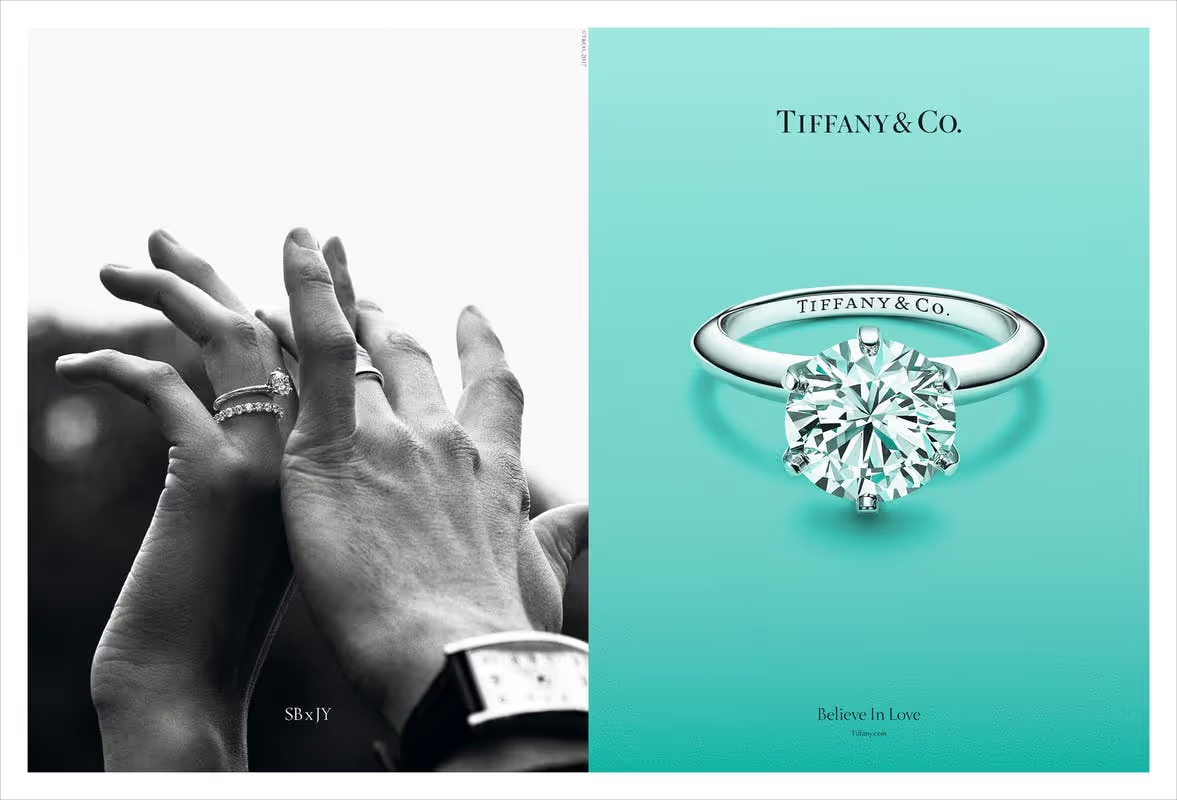
Example: Coca-Cola uses red to evoke excitement and joy, while Tiffany & Co.'s signature pastel blue represents elegance and luxury.
Maintain visual consistency across all platforms
Consistency is vital to maintaining brand personality. Whether it is your website, social media, advertising, or customer service, everything must convey the same character.
Example: McDonald's maintains consistency through its signature yellow and red colors, the golden arches logo, and the "I'm Lovin' It" slogan across all advertising, social media, and physical stores. This uniformity makes the brand instantly recognizable and reinforces its cheerful, friendly image.

Listen to customer feedback
Using data and customer feedback is the best way to adjust and refine brand personality over time. Continuously listening helps the brand meet the emotional needs of its customers, thereby strengthening engagement and loyalty.
Example: Spotify uses user data to personalize experiences, such as creating "Discover Weekly" playlists based on listening habits. Listening to user feedback helps Spotify continuously improve, increasing the sense of being understood and fostering brand affinity.

Building and maintaining emotional connections through brand personality requires a deep understanding of customers, creativity in expression, and consistency across all platforms.
A brand with a strong personality not only stands out but also captures the hearts of its customers.
Practical brand personality models
Building and implementing a brand personality can be based on well-researched theoretical models. These models help businesses clearly define their brand identity, thereby connecting more effectively with customers.
Jennifer Aaker’s Brand Personality Framework
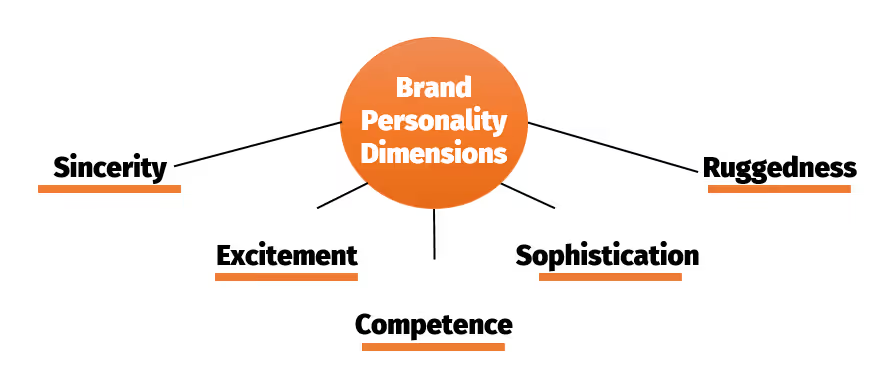
This model is based on five core personality dimensions researched by Jennifer Aaker:
1. Sincerity: Down-to-earth, honest, and reliable.
Example: Dove, with its natural and relatable image through the “Real Beauty” campaign.
2. Excitement: Daring, spirited, and imaginative.
Example: Red Bull, which inspires through extreme sports and pushing boundaries.
3. Competence: Reliable, intelligent, and successful.
Example: IBM, consistently associated with professionalism and technological innovation.
4. Sophistication: Elegant, sophisticated, premium.
Example: Chanel with its luxurious and high-class style.
5. Ruggedness: Powerful, masculine, durable.
Example: Jeep represents adventure and strength across all terrains.
Carl Jung's Archetypes Model
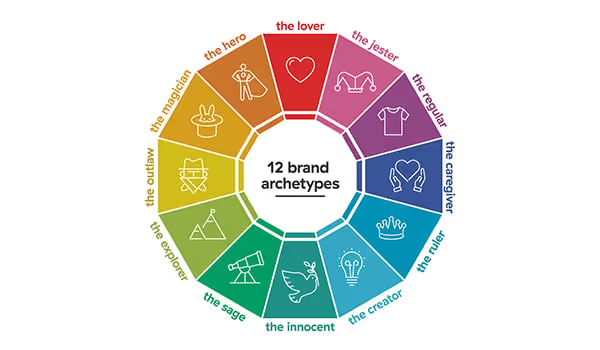
Carl Jung developed 12 universal personality archetypes that brands can adopt to build deep connections with customers. Some prominent archetypes include:
1. The Caregiver: Brands associated with care and protection.
Example: Johnson & Johnson – a symbol of family care.
2. The Creator: Associated with creativity and innovation.
Example: Lego encourages customers to freely create anything from building blocks.
3. The Hero: Inspires the will to conquer and overcome challenges.
Example: Nike with its determined athletic spirit, “Just Do It.”
Kapferer’s Brand Identity Prism
This model focuses on 6 elements that help shape a brand:
1. Physique: Logo, colors, and brand identity design.
2. Personality: The character the brand projects (based on elements like tone of voice and messaging).
3. Relationship: How the brand interacts with its customers.
4. Culture: The core values the brand represents.
5. Reflection: How customers perceive the brand.
6. Self-image: The ideal image the brand aspires to become.
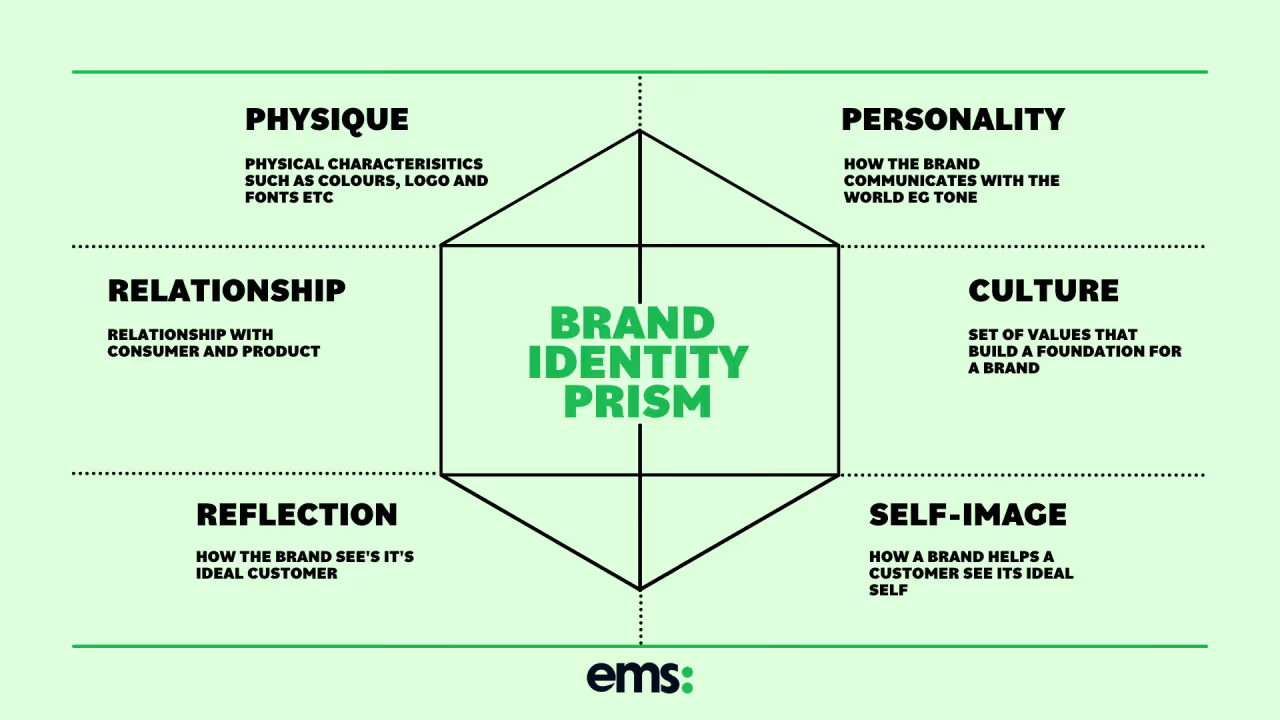
This model not only defines personality but also helps brands synchronize their messaging across all channels.
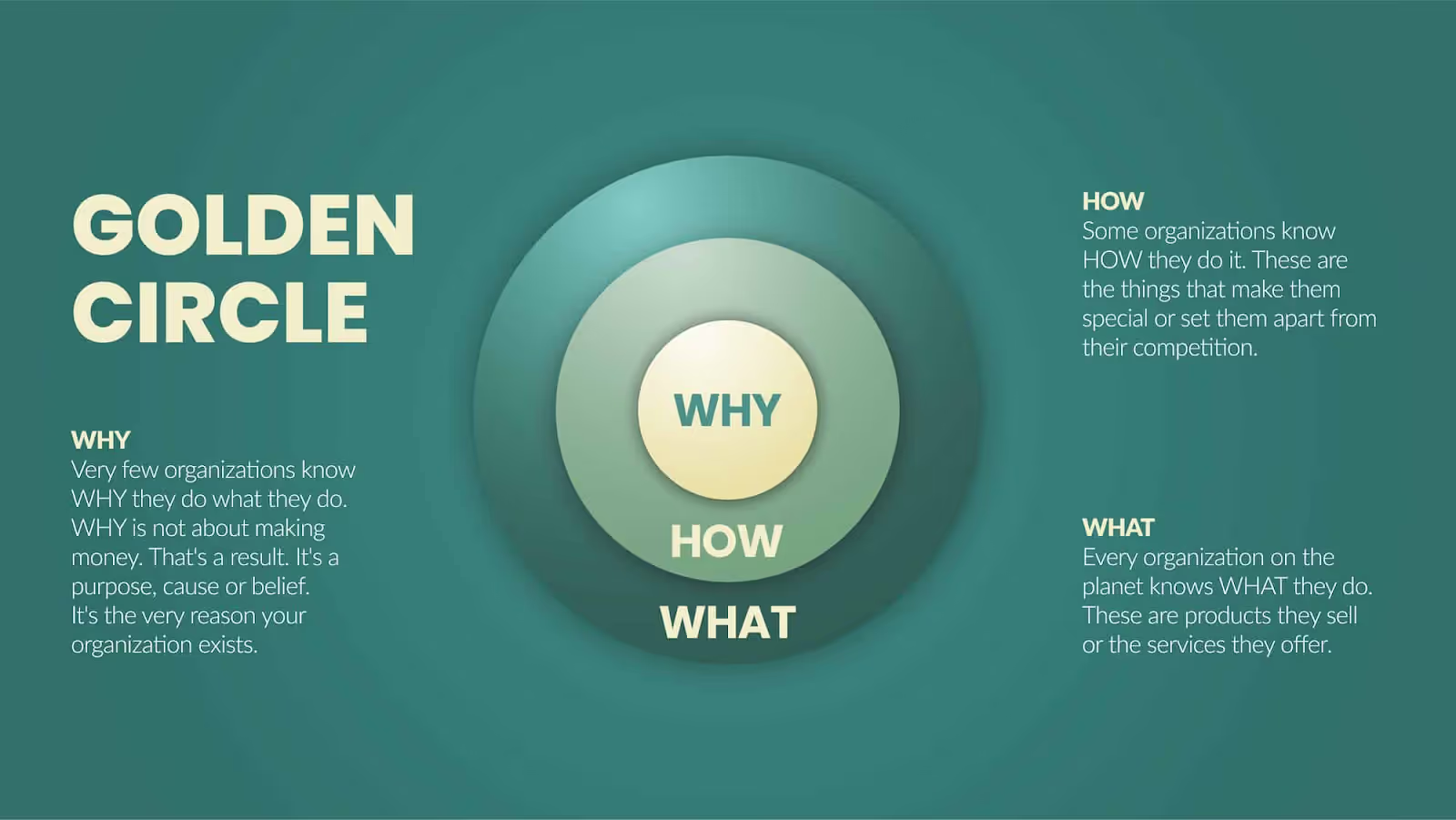
Simon Sinek’s The Golden Circle model
Simon Sinek focuses on the "Why?" question to shape brand personality.
- Why: The brand's core values and purpose.
- How: How the brand delivers value.
- What: Products and services.
In summary, brand personality models not only provide a framework for definition but also help brands understand their customers, build a distinct character, and create stronger emotional connections. Choosing the right model will help businesses maximize the potential of brand personality.
Conclusion
Brand personality is not just a tool for creating recognition, but also a vital means for brands to build emotional bonds with customers. When a brand's personality is clearly defined, consistent, and aligned with customer expectations, it becomes an invaluable asset that helps businesses establish their market position.
Let Markdao help you start by understanding your customers, telling a meaningful story, and maintaining consistency across all platforms, so that your brand becomes more than just a name—it becomes an emotional part of your customers' lives.