If you are looking for ways to grow your website traffic, referral traffic is a strategy you cannot afford to overlook. This is traffic that comes from links on other websites, helping to improve SEO, increase brand awareness, and reach potential customers. However, to achieve sustainable results, you need to build referral traffic with quality in mind. In this article, Markdao will share essential strategies for building high-quality referral traffic that you shouldn't miss.
What is Referral Traffic?
What is referral traffic? This term refers to traffic that reaches your website via links from other websites. Simply put, when a user clicks on a link on another site and is directed to yours, that is referral traffic.
Example: If a blog contains a link to your website and a reader clicks on it to visit your site, this traffic will be recorded as referral traffic in analytics tools like Google Analytics.
Referral traffic sources can come from many places, such as:
- Online newspapers and blogs
- Forums and online communities
- Social media (Facebook, Twitter, LinkedIn, etc.)
- Advertising campaigns with direct links to your website
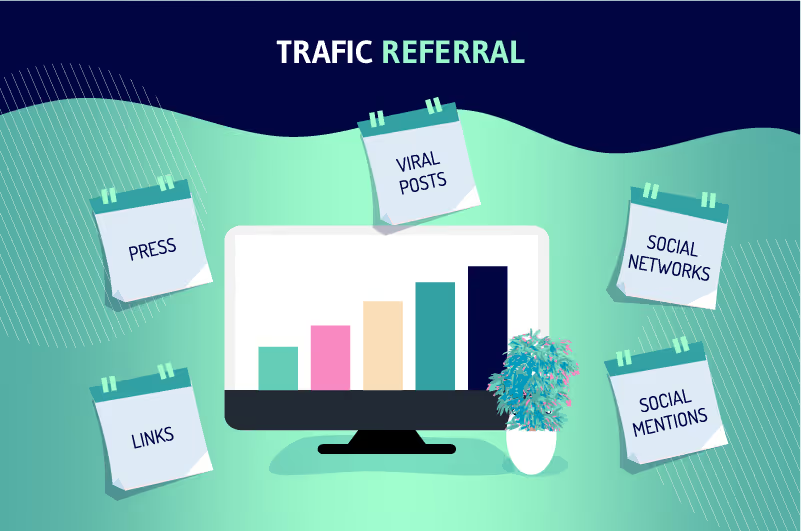
Types of Referral Traffic
1. Referral Traffic directly from links
This is the most common form of referral traffic. When your website is mentioned via links on blogs, forums, or partner sites, users who click those links are directed to your website.
Example: A blog post containing a link to your product or article, creating an opportunity to attract potential users.
2. Referral Traffic from social media
Referral traffic from social media is traffic coming from platforms like Facebook, Twitter, Instagram, LinkedIn, and more. Users visit your website through shared posts, promotions, or links in comments.
This is a highly potential source of traffic in the digital age, especially since social media content spreads quickly and easily reaches a large number of users.
3. Referral traffic from paid advertising campaigns
Beyond free sources, referral traffic also comes from paid advertising campaigns or sponsored content. When you run ads on Google, Facebook, or other platforms, the links within those ads generate direct traffic to your website.
These visits are recorded as referral traffic and often have high conversion rates because users have already shown interest in your product or content.

Benefits of referral traffic for your website
Now that you understand what referral traffic is, you will see that optimizing and leveraging it offers significant advantages for your website. Here are three key benefits of referral traffic:
Increased traffic and brand awareness
One of the biggest benefits of referral traffic is that it brings more attention to your website. When users from other sites click on links leading to yours, your traffic volume increases.
This not only grows your user base but also boosts brand awareness, helping you reach potential customers who may not have known about you before.
Improved SEO and credibility
Referral traffic does more than just bring in visitors; it also helps improve your website's SEO. When you have backlinks from reputable sites, Google views your site as more trustworthy and boosts your search rankings. Links from these credible sources make your website stand out in search results, thereby attracting even more users.
Building relationships with partners
Referral traffic also opens doors for long-term collaboration with blogs, forums, and partner websites. By generating traffic from these sources, you can build lasting relationships, develop joint marketing strategies, execute collaborative campaigns, and expand your reach to new audiences.
Given these benefits, there is no reason not to leverage referral traffic to grow your website, enhance your brand, and improve your SEO performance.
How to track and measure referral traffic
Using Google Analytics
To track referral traffic, you can use Google Analytics. Go to the "Acquisition" section and select "All Traffic(All Traffic), then click on "Referrals".
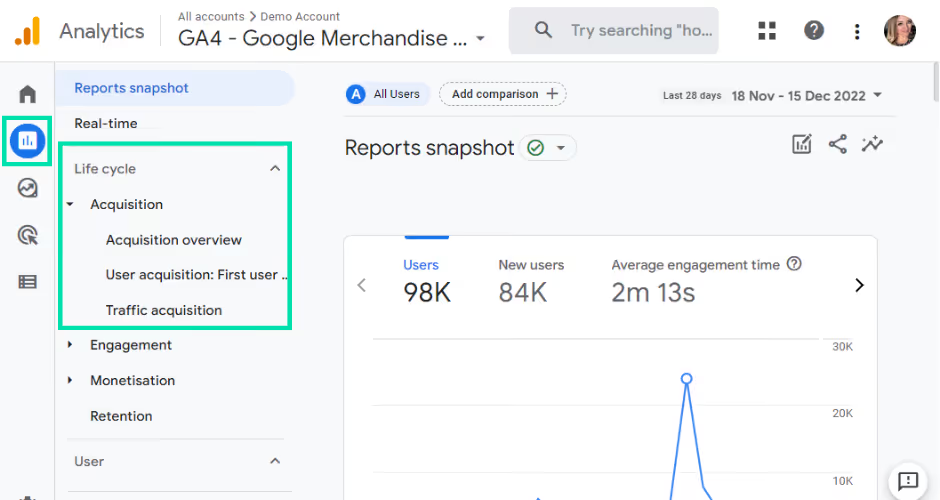
→ Here, you will see a list of websites sending traffic to your site, making it easy to analyze the origin and effectiveness of your referral traffic.
Backlink analysis tools
To check the quality of your referral traffic, you can use tools such as Ahrefs or SEMrush. These tools help you analyze backlinks from other websites, evaluate the authority of those links, and identify potential opportunities to improve your link-building strategy.
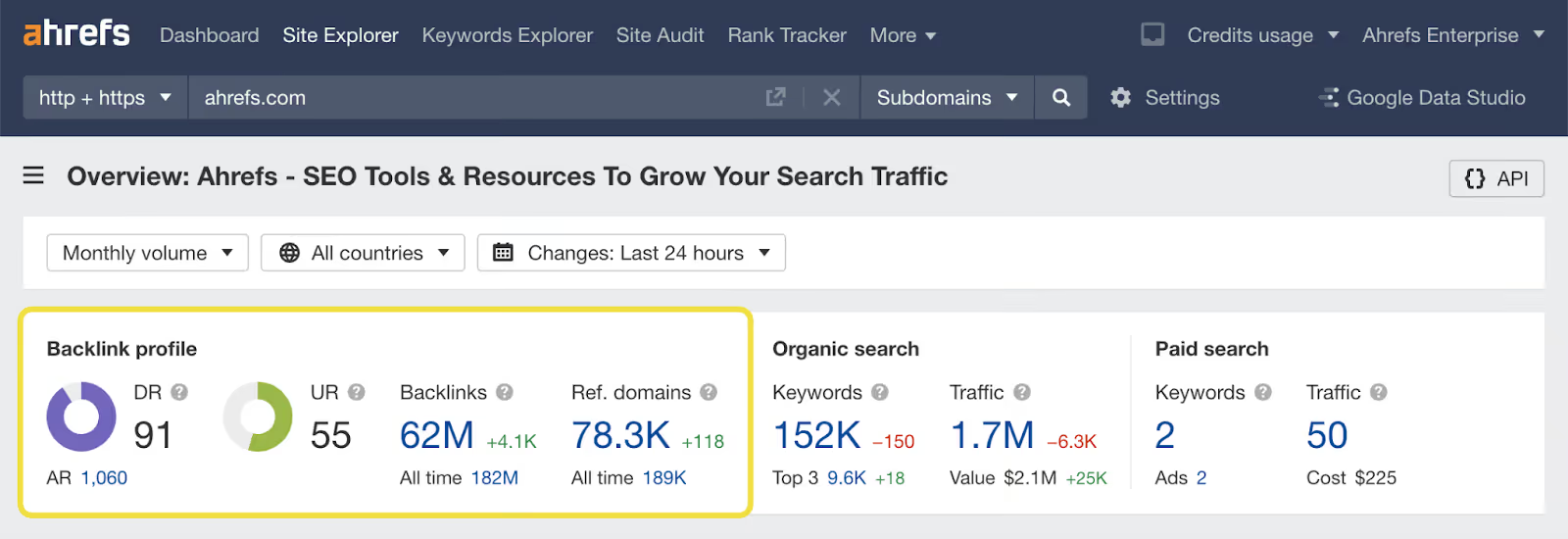
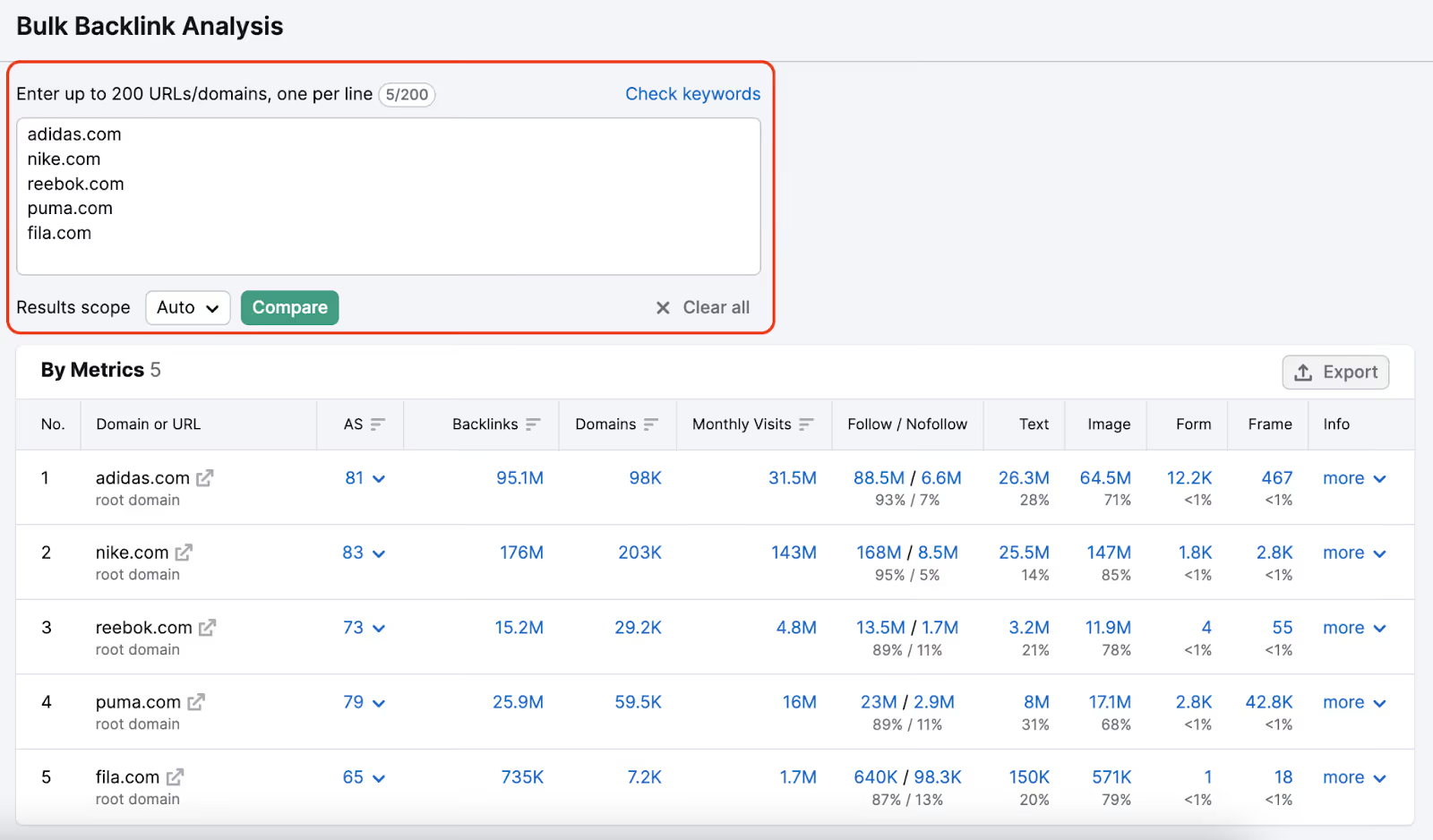
Key metrics to monitor
When tracking referral traffic, there are several key metrics you should keep an eye on:
- Bounce Rate: Reflects users who leave immediately after arriving on your page. A low bounce rate indicates engaging content.
- Average Session Duration: Indicates how engaging your content is; users who stay longer are generally more interested.
- Conversion Rate: Measures the effectiveness of traffic from referral sources in completing actions such as purchases, sign-ups, etc.
Tracking and measuring referral traffic not only helps you understand your traffic sources but also allows you to optimize your marketing strategy, improve SEO, and grow your website's revenue.
Strategies for building high-quality referral traffic
Create high-quality content
To attract referral traffic, you need to produce unique and useful content. High-quality content encourages readers to share and link to your website naturally, thereby increasing your referral traffic.
Collaborate with reputable bloggers and websites
Partnering and collaborating with reputable bloggers and websites helps you create valuable content and generate backlinks to your site. This not only boosts referral traffic but also enhances your credibility and SEO rankings.
Share content on social media platforms
Social media is a powerful tool for sharing content and driving referral traffic. Use platforms like Facebook, Instagram, and Twitter to reach new users and encourage them to share links to your website.
Organize guest blogging programs
Guest blogging is an excellent way to build referral traffic. Invite other bloggers to write for your site or proactively write for others; this helps create quality links and increases traffic from external sources.
Provide free resources
Offering free resources such as ebooks, infographics, or case studies is an effective way to encourage others to link to your website. These resources are often widely shared, creating opportunities for rapid referral traffic growth.
Important considerations for building referral traffic
Avoid building backlinks from low-authority sources
When building referral traffic, ensure that links come from websites that are reputable and relevant to your industry. Backlinks from untrustworthy sources can lower the quality of your referral traffic and negatively impact your site's SEO.

Do not over-optimize links
Too many unnatural links can harm your website, as Google may view this as manipulative behavior, which can negatively affect your search rankings. Ensure that your referral traffic comes from natural and reliable sources.
Focus on quality, not quantity
Instead of seeking a large volume of links, focus on creating valuable backlinks from high-authority websites. Quality links will drive sustainable growth for your referral traffic and improve your website's overall SEO performance.
Building effective referral traffic requires attention to link quality, avoiding low-authority sources, and preventing link abuse, which helps your website grow sustainably and attract high-quality traffic.
Conclusion
Building and understanding what referral traffic is not only helps increase your website's traffic but also boosts its credibility and SEO rankings. However, to achieve long-term results, you must focus on link quality, collaborate with reputable websites, and create valuable content. By applying the strategies mentioned, you will be able to build a high-quality source of referral traffic, thereby driving website growth and improving business outcomes.