


To achieve effective SEO, the first step you cannot overlook is checking Google keywords. Choosing the right keywords helps you understand user search intent, optimize your content, and improve your website's ranking. However, not everyone knows how to research and analyze keywords properly. In this article, Markdao will guide you through the 5 most effective steps for checking Google keywords in 2025, helping you build a solid SEO strategy, increase traffic, and boost your conversion rates.
Why should you research Google keywords before writing SEO-optimized content?
What is keyword research?
Keyword research is the process of finding, analyzing, and selecting the words or phrases that users type into search engines (like Google) to find information. This is one of the most critical steps in SEO, helping to identify high-value keywords to optimize content, improve website rankings, and reach your target audience.
Google keyword research – A crucial step in SEO
In the process of search engine optimization (SEO), Google keyword research plays a decisive role in the effectiveness of your content. Understanding user search intent helps you build a relevant content strategy, increase your reach to potential customers, and improve your search engine rankings. Without this step, your content may fail to reach the right audience or struggle to compete for overly difficult keywords.

Benefits of researching keywords before writing
1. Ensures content aligns with search intent
By using Google's keyword research tools, you can identify the popular terms users are searching for. This allows you to create content that directly addresses their needs.
2. Increases the chances of ranking high on Google
By finding keywords you can optimize your articles for high-search-volume, low-competition terms, thereby increasing your chances of ranking well on Google.
3. Create an effective content plan
A solid SEO strategy always begins with keyword planning. By understanding search trends, you can build content around topics with high traffic potential while organizing your articles logically to improve internal linking.
4. Optimize for conversions
Beyond just increasing traffic, keyword analysis helps you identify terms with high purchase intent, allowing you to tailor your content for maximum conversion efficiency.
Researching Google keywords before writing SEO-standard content is essential to ensure your material is valuable, reaches the right audience, and ranks highly on search engines. Apply the right tools and methods to optimize your content strategy, thereby boosting SEO performance and fostering sustainable website growth.
How to check keywords on Google for effective SEO optimization
Below is a detailed, step-by-step guide to researching and using keywords effectively.
Step 1: Identify primary keywords directly related to your article content
Primary keywords are terms with high search volume that are directly related to your services or products.
- To identify primary keywords, you can use Google keyword research tools such as Google Keyword Planner, Ahrefs, SEMrush.
- Primary keywords should have an appropriate level of competition to make them easier to optimize and rank highly on Google.
Example: If you are writing an article about "Solar energy," your primary keywords could be:
- "Solar power installation"
- "Solar energy systems"
- "Solar power for businesses"
Step 2: Find related keywords using Google's keyword research tool
Related keywords (secondary keywords) have lower search volume but help expand your content. These are often questions or phrases that users are interested in.
To find secondary keywords, you can use keyword research tools such as:
- Google Keyword Planner – A free tool from Google that helps analyze search volume and keyword competition levels.
- Ahrefs – Supports keyword research, competitor analysis, and identifying search trends.
- SEMrush – Provides detailed keyword insights, suggests related keywords, and identifies SEO optimization opportunities.
Example: If your main keyword is "Solar power system," then related keywords could be:
- "Solar installation costs"
- "Is solar power worth it?"
- "Best solar panel brand reviews"
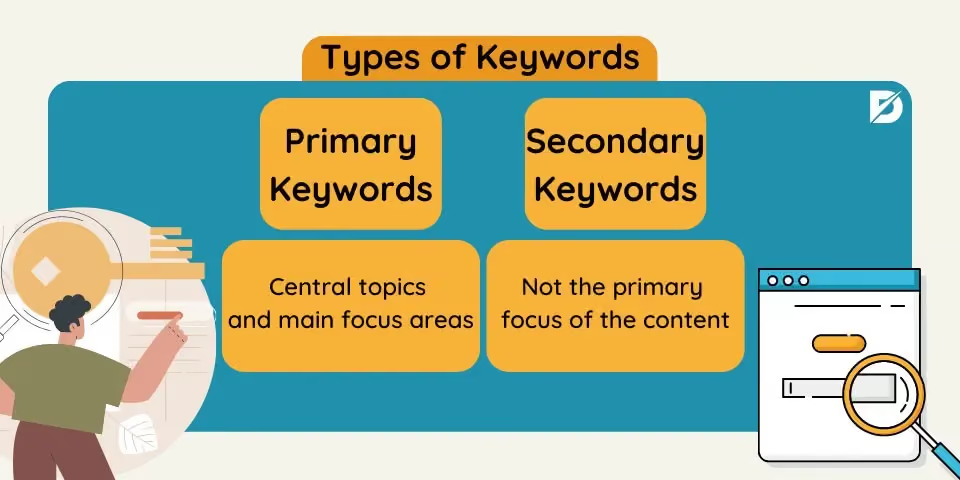
Step 3: Select keywords to create the most valuable keyword set
Why is keyword selection necessary?
- Focus on the highest-value keywords to optimize SEO.
- Helps keep content focused and on-target.
- Create a keyword set with a clear hierarchy between primary and secondary keywords.
How to select keywords:
- Identify keywords with high search volume and a reasonable level of competition.
- Remove keywords that are irrelevant or have little connection to the content.
- Group keywords into clusters to make optimization easier when writing.
Example of an SEO-standard keyword set:
- Primary keyword: "Google keyword check"
- Secondary keywords: "Google keyword research", "Google keyword checker tool", "keyword analysis", "how to search for keywords on Google"
Step 4: Use the created keyword set to optimize SEO content
Build Topic Clusters
- Divide content into articles based on major and minor topics.
- Use how to search for keywords on Google to guide the content for each article.
Create internal links between articles to boost SEO authority.
Optimize keywords within article content
- Place the primary keyword in the title (H1).
- Use secondary keywords in subheadings (H2, H3).
- Integrate keywords naturally into your content and avoid keyword stuffing.
Example: If your article is about "Google keyword check," you can develop your content using clusters such as:
- "How to research Google keywords to increase traffic"
- "A guide to effective keyword planning"
- "The best Google keyword checking tools"

Step 5: Check keyword placement in your SEO article
After optimizing your content, you need to verify that your keywords appear in the correct locations:
1. URL: Include the main keyword in the slug (e.g., /google-keyword-check)
2. Meta title: Include the main keyword, with a length of approximately 50-60 characters.
3. Meta description: Include the main keyword and a brief summary of the article (maximum 160 characters).
4. Headings (H1, H2, H3): Place keywords in subheadings to help Google understand the article's topic.
5. Images: Optimize Alt text with relevant keywords.
6. Internal links: Add links to related articles to improve user experience.
Checking Google keywords before writing is a crucial step for effective SEO optimization. Follow this process to ensure your content is not only search-engine friendly but also meets user needs, thereby improving your website's ranking on Google.
Things to keep in mind when checking Google keywords
Identify the user's search intent accurately
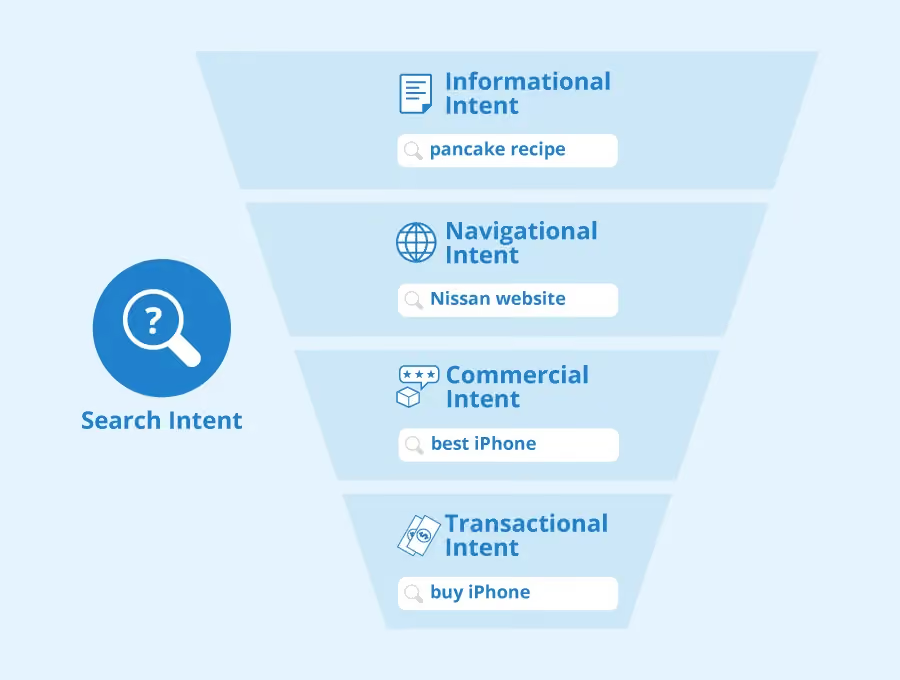
Google prioritizes content that matches the user's search intent. Therefore, when checking keywords, determine which category they fall into:
- Informational: Users are looking for guides, tips, or explanations.
- Navigational: Users want to find a specific website.
- Commercial: Users are considering a purchase or comparing products.
- Transactional: Users have the intent to make a purchase immediately.
Examples:
- “How to check keywords on Google” (Informational)
- “Google Keyword Planner” (Navigational)
- “Ahrefs vs SEMrush which tool is better” (Commercial)
- “Buy cheap Ahrefs plan” (Transactional)
Use Google's keyword research tool for accurate data
Not every high-volume keyword is a good fit. You need to use Google's keyword research tool to analyze key metrics such as:
- Google Keyword Planner – A free tool to check search volume, competition, and CPC.
- Ahrefs – Provides keyword difficulty (KD) and actual search volume.
- SEMrush – Analyzes keywords, search trends, and competitors.
Pay attention to keyword competition
When researching keywords, don't just look at search volume; you must also consider the Keyword Difficulty (KD).
- Low KD (0-30): Easy to rank for, suitable for new websites.
- Medium KD (31-60): Requires high-quality content and strong backlinks.
- High KD (61-100): Highly competitive, requires a robust SEO strategy.
Example:
- “Keyword research” (KD 15 – easy to rank)
- "How to research Google keywords" (KD 40 – medium)
- "Google keyword check" (KD 70 – high competition)
Don't overlook long-tail keywords
Long-tail keywords have lower search volume but higher conversion rates because they target specific user needs.
For example, instead of targeting a broad keyword like "SEO services," you can optimize for long-tail keywords such as:
- "Professional e-commerce SEO services"
- "On-page and off-page SEO optimization services"
Identify keyword search trends
Use Google Trends to check search trends over time. Some keywords may have high search volume but are declining over time.
For example:
- "How to search for keywords on Google" – Stable trend.
- "Google keyword checker tool" – May fluctuate based on Google algorithm updates.
Checking Google keywords is a crucial step in planning an effective SEO strategy. Pay attention to search intent, competition level, long-tail keywords, and search trends to best optimize your content.
Conclusion
Keyword checking is not just the starting point of SEO but also a decisive factor in the effectiveness of your content strategy. By correctly applying these 5 steps to check Google keywords, you will have a valuable set of keywords to help optimize your content, attract potential customers, and improve your search rankings. Don't forget to use supporting tools like Google Keyword Planner, Ahrefs, and SEMrush for the most accurate data. Start today to optimize your SEO in a smart and sustainable way!