In the digital era, where everything is expected to be fast and efficient, chatbots have become an indispensable companion for businesses. Far more than just automated response tools, chatbots today have become "smarter," capable of understanding and responding like a real human. From answering customer inquiries to supporting sales, they not only save time but also enhance the user experience. So, what is a chatbot and how can businesses maximize its power? Join Markdao as we explore this in today's article!
What is a chatbot?
Definition
A chatbot is a software tool designed to communicate and interact with users automatically through online platforms. Whether via text or voice, chatbots can answer questions, provide information, and perform simple tasks without human intervention. They are a key component of the current trend toward automation and improving user experience on digital platforms.
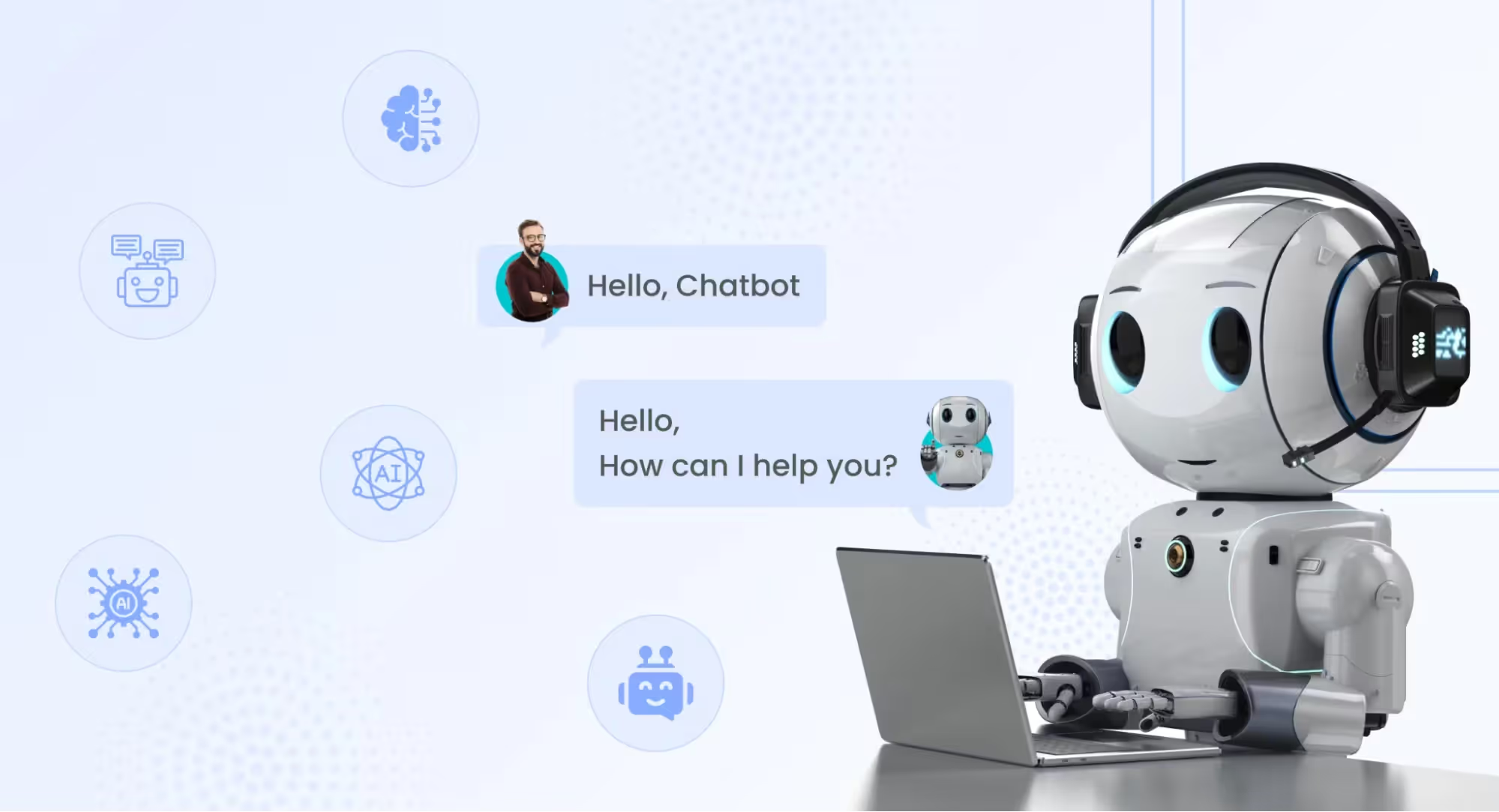
With the advancement of artificial intelligence (AI) and machine learning, these automated communication tools are becoming increasingly intelligent, capable of handling complex requests and creating a smoother, more natural user experience.
How chatbots work
These automated communication tools operate based on two main principles: pre-programmed rules and Artificial Intelligence (AI). Chatbots operate based on pre-programmed scripts and can only answer questions they have been specifically set up to handle.
In contrast, chatbots powered by AI have the ability to learn from data and improve their responses with every conversation. Thanks to Natural Language Processing (NLP) technology, AI can understand complex questions and respond in a natural, human-like manner.
Benefits of implementing chatbots in business
Adopting automation technology helps businesses save time and increase efficiency in their operations. Instead of having staff answer basic questions or handle repetitive requests, automated tools can take over, allowing employees to focus on more important tasks.
This system can also operate 24/7, ensuring customers always receive timely support, even outside of business hours. This helps increase customer satisfaction and loyalty .
Furthermore, using this technology also helps reduce costs human resources and revenue growth. By analyzing customer behavior, the system can provide relevant suggestions and promotions, helping to increase sales opportunities.
Common types of chatbots
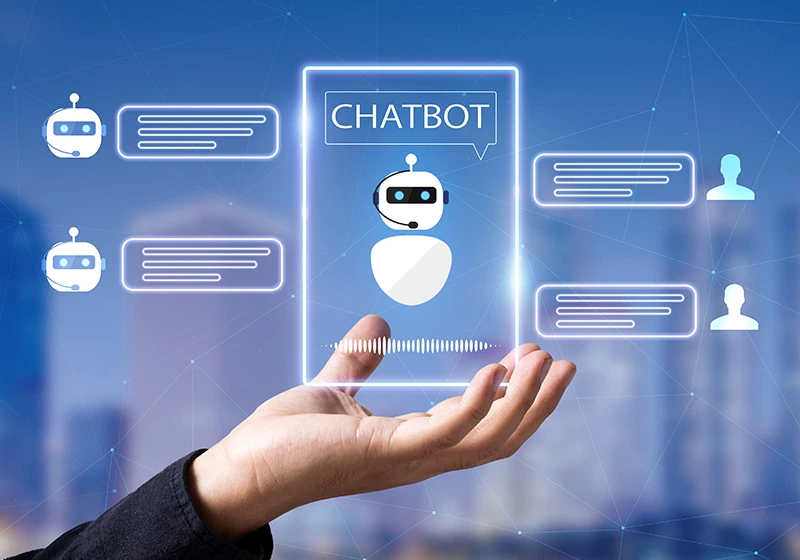
Rule-Based Chatbot
This chatbot type operates based on a series of pre-programmed questions and answers. Users receive responses from the chatbot based on predefined options or phrases. While easy to implement and use, chatbot systems based on rules are limited in their ability to handle complex questions or those outside their programmed scope.
AI-Powered Chatbot
Unlike rule-based types, chatbots that use artificial intelligence have the ability to learn and improve over time. By utilizing natural language processing (NLP) and machine learning, this type can understand and respond to complex questions, and even automatically detect and adapt response scripts when encountering new situations.
Conversational Chatbot
Conversational chatbots
provide a more personal and natural experience, thanks to their ability to maintain a smooth dialogue between the user and the system. These tools do not just answer questions; they can conduct continuous conversations, provide detailed information, and even offer personalized recommendations based on user needs.
Specially designed to support and care for customers, this chatbot helps answer frequently asked questions, provides troubleshooting assistance, or guides users through processes such as placing orders, checking order status, or requesting warranty service. They typically operate 24/7, providing continuous service and minimizing wait times for customers.
E-commerce Chatbot
In an e-commerce environment, this type assists customers in searching for products, provides recommendations based on preferences or purchase history, and can even help customers complete transactions. These chatbots can integrate with payment platforms and provide information about special offers or promotions.
How to effectively apply chatbots in business
To apply this technology effectively, businesses need to define clear objectives, such as customer support, revenue growth, or automating internal processes.
Next, choosing the right platform is crucial. The tool must be capable of integrating with the business's existing systems, such as CRM, payment platforms, or sales management systems.

Businesses also need to develop intelligent response scripts to ensure users receive information quickly and clearly. These scripts should be tailored to the needs and habits of the customers.
Finally, monitoring and evaluating performance of the system is a vital step. This helps improve service capabilities and adjust marketing strategies accordingly.
Popular chatbot tools
Here is a list of chatbot tools:
- ManyChat: An easy-to-use tool, especially powerful for Facebook Messenger, that allows you to build automated chatbot s without any coding.
- Tidio: Combines chatbot functionality and live support in one platform, helping you answer customer questions quickly with integrations for Shopify, WordPress, and Facebook Messenger.
- Intercom: A powerful customer communication platform offering chatbots, live chat, email marketing, and user behavior analytics, well-suited for large enterprises.
- Drift: Focused on optimizing the sales process, Drift helps businesses create automated conversations with potential leads.
- Chatfuel: A platform chatbot no coding required, integrates with Facebook Messenger, helping businesses easily create and manage communication scripts.
- Zendesk Chat: Provides a live chat platform and chatbot integration, supporting the tracking and management of online conversations to enhance customer support efficiency.
- MobileMonkey: A powerful tool for communication via Facebook Messenger, SMS, and web chat, supporting automated marketing campaigns and integration with Instagram and email.
- Botpress: An open-source chatbot platform for developers, supporting advanced AI and high customizability, suitable for businesses needing complex solutions.
These tools each have their own features and advantages, helping businesses improve communication and optimize business operations.
10 things to keep in mind when implementing in a business
Below are important considerations when implementing chatbot in a business:

- Define clear goals: Before implementation, businesses need to clearly define the purpose of using chatbot, such as enhancing customer service, supporting sales, or automating workflows. Having specific goals makes it easier to select the right tools and implementation strategies.
- Choose the right platform: Selecting a chatbot platform that aligns with your business needs and scale is crucial. Different tools offer varying features and integration capabilities, so it is essential to evaluate which platform fits your existing technology ecosystem.
- Ensure ease of use: An effective bot must be easy for customers to use and simple for the business to set up. If it is too complex or not user-friendly, the reach of your chatbot will be limited.
- Develop logical response scripts: Response scripts should be designed to align with customer needs and behaviors. An intelligent chatbot does more than just answer basic questions; it can handle complex situations and provide relevant suggestions or solutions.
- Ensure flexibility and customization: Businesses need to set up their systems so they can be easily customized when necessary. This helps the chatbot better adapt to changing customer needs or new business requirements.
- Monitor and optimize continuously: After deployment, monitoring and evaluating the performance of your chatbot is crucial. Data collected from conversations can provide valuable insights to optimize scripts and improve service.
- Integration with customer support: Although chatbots can automate many tasks, there are complex situations where customers still require human assistance. Businesses should ensure a seamless integration with live customer support to meet all customer needs.
- Security and privacy: When deploying, businesses must ensure that customer information is kept strictly confidential. Especially when collecting personal or financial data, security measures such as data encryption and compliance with data protection regulations are essential.
- Ensure learning capabilities: Chatbots that use artificial intelligence (AI) can improve performance over time. Allowing them to learn from conversations will help increase accuracy and the ability to handle more complex requests.
- Evaluate customer feedback: Finally, collecting and evaluating customer feedback is a key factor in improving the system. This feedback helps businesses better understand the effectiveness of the chatbot and adjust features and scripts to better suit customer needs.
These considerations help businesses implement effectively, providing the best experience for customers and achieving business goals.
Conclusion
Chatbots offer many benefits to businesses, from optimizing customer communication to saving time and costs. To be effective, businesses need to choose the right tools, build logical scripts, and continuously improve. When implemented correctly, they become a vital part of a business strategy, enhancing customer experience and supporting business growth.