In today's digital marketing world, conversion rate is more than just a number; it is a vital metric that reflects the effectiveness of every marketing campaign. Whether you are running an e-commerce site or providing online services, optimizing your conversion rate is the key to increasing revenue and enhancing the customer experience.
This article will help you understand what a conversion rate is, its importance in business strategy, and reveal the most effective optimization methods. Join Markdao as we explore how to turn every visit into a golden opportunity!
What is a conversion rate?
Defining conversion rate
Conversion rate is a key metric in digital marketing and online business used to evaluate the effectiveness of a campaign or digital platform. The conversion rate represents the percentage of potential customers who complete a specific action, such as making a purchase, signing up for a service, or filling out a form, out of the total number of visits or interactions.

Conversion rate formula
The conversion rate is calculated using the following formula:
Conversion Rate (%) = (Number of conversions / Number of visitors) x 100
Number of conversions: The total number of target actions completed.
Total number of visits or interactions: The total number of users visiting the website or engaging with the campaign.
Common types of conversions
Depending on your business goals, common types of conversions include:
- Account registration: Users create a new account on a website or app. This is often the first step in building a relationship with a customer.
- Online purchases: Customers complete a transaction to buy products or services online, which is the core goal for e-commerce platforms.
- Filling out contact forms: Users provide their personal information in contact forms to receive consultations or learn more about products/services.
- Downloading documents or apps: Customers download materials (ebooks, reports) or applications to access useful information and tools.
Other actions:
- Watching product introduction videos.
- Registering for events or webinars.
- Sharing content on social media.
These actions all play a vital role in driving engagement and building lasting relationships with customers.
By clearly understanding Conversion Rate and related factors, you will find it easier to optimize your business strategy, enhance marketing effectiveness, and achieve specific goals.
The importance of Conversion Rate in Digital Marketing
Increasing marketing campaign effectiveness:
Conversion Rate is a key metric for measuring the effectiveness of marketing campaigns.
- Reflects traffic quality: A high conversion rate proves that the traffic to your website or platform is not only high in volume but also consists of the right target audience.
- Optimizes advertising costs: As the conversion rate increases, the cost per acquisition (CPA) decreases, helping businesses optimize their budgets.
For example, if a Google Ads campaign attracts 1,000 visits for 10 million VND and 50 people make a purchase, the conversion rate is 5%. If you increase the conversion rate to 10%, the number of transactions will double without increasing your advertising budget.
Increases revenue and profit:
Conversion Rate is closely linked to revenue and profit:
- Boosts sales: When the conversion rate rises, the number of customers purchasing products or using services also increases. This is especially critical for industries like e-commerce and SaaS (Software as a Service).
- Increases Customer Lifetime Value: A high conversion rate not only helps acquire new customers but also enhances opportunities for upselling or cross-selling in the future.
Improves customer experience:
Conversion rate optimization is not just about quantity, but also about the quality of the user experience.
- Seamless customer journey: When the steps from searching and visiting to purchasing are optimized, customers feel more satisfied.
- Increases satisfaction levels: A user-friendly website with engaging content helps customers achieve their goals quickly. This leads to higher levels of loyalty.
Measuring and optimizing business performance:
Conversion Rate serves as an objective metric that helps businesses gain a clearer understanding of:
- The effectiveness of individual marketing channels: Email, social media, paid advertising, SEO, etc.
- The platform's strengths and weaknesses: From there, businesses can improve elements such as content, interface, or the checkout process.
The conversion rate is not just a metric; it is a "guiding light" that helps businesses make decisions to optimize marketing strategies, increase revenue, and build superior customer experiences. Given this core role, continuously improving the Conversion Rate is a prerequisite for success in Digital Marketing.
Effective Conversion Rate optimization methods
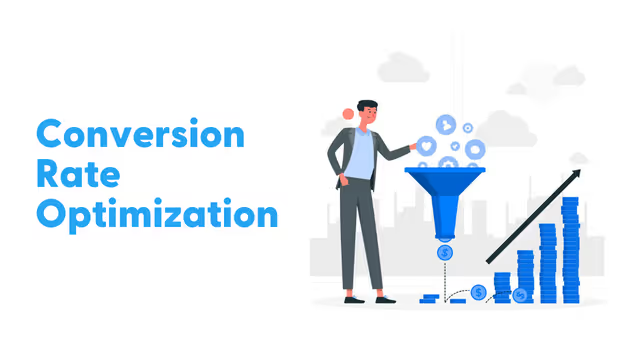
Conversion Rate Optimization (CRO) is an ongoing process aimed at increasing the number of customers who take target actions on a website. This requires not only a deep understanding of user behavior but also the application of appropriate strategies to achieve maximum effectiveness.
Understand your target audience
All optimization strategies begin with understanding the customer.
- Analyze customer data: Use tools like Google Analytics or Heatmaps to understand how visitors interact with your website. This data helps identify areas with high bounce rates and the specific steps in the process where customers tend to drop off.
- Identify pain points and needs: Website visitors are often looking for solutions to specific problems. Identifying and addressing these needs precisely will help increase conversion rates.
Optimize website interface
The website interface is the first point of contact for customers, so it must be optimized to provide the best possible experience:
- User-friendly UI/UX design: An intuitive interface with a clear layout helps customers easily find the information or products they need.
- Optimize page load speed: Slow page load times are a leading cause of customer abandonment. A fast website not only boosts conversion rates but also improves your SEO rankings.
- Mobile-first: With the majority of users accessing the web via mobile devices, optimizing your display for smartphones is an essential requirement.
Use engaging content
Content plays a decisive role in persuading customers to take action:
- Compelling headlines: A strong headline that directly addresses customer needs creates a great first impression and keeps them engaged longer.
- Clear CTAs: Your Call to Action must be concise, engaging, and easy to understand. The placement of your CTA buttons is also critical; they should be highly visible without disrupting the user experience.
- Relevant messaging: All website content—from imagery and copy to brand colors—must be consistent and tailored to your target audience.
Optimize technical elements
Technical factors play a significant role in improving the customer experience:
- A/B Testing: Test different versions of an element (e.g., CTA button colors, headlines, or images) to determine which performs best.
- Personalize the user experience: Suggesting products based on a customer's browsing history or past behavior can help increase conversion rates.
- Simplify processes: Streamline registration forms or checkout flows to minimize friction for the user.
Build customer trust
Trust is the deciding factor in a website's success:
- Customer testimonials: Display positive feedback from previous users to build credibility.
- Security certifications: Use HTTPS and other security indicators like "Safe Checkout" badges on payment pages.
Using support tools:
Technology is a powerful ally in helping businesses optimize their conversion rate:
- Behavioral analytics tools: Platforms like Hotjar or Crazy Egg provide detailed insights into how customers interact with every part of your website.
- Remarketing: Re-engage visitors who left your site without converting through personalized advertising.
- CRO plugins: Conversion rate optimization tools can automate testing processes and provide performance reports.
In short, conversion rate optimization is a combination of deep customer insight, optimal experience design, and the effective use of support tools. It is a process of continuous improvement that requires persistence and creativity to turn every visit into real value. A high conversion rate not only generates superior revenue but also helps build a sustainable brand foundation.
Conclusion
The conversion rate is more than just a number; it is the heartbeat of every digital marketing strategy. It acts as a compass, helping businesses not only stay on the right track but also go further in their journey to win over customers. Optimizing your conversion rate is not a one-time task, but an ongoing game where you must constantly test, learn, and innovate.
Think of conversion rate as the art of balancing data and emotion—where every customer click is an affirmation that you truly understand them. Ultimately, in this race, no one wins by running the fastest, but by best understanding what the customer truly wants.