


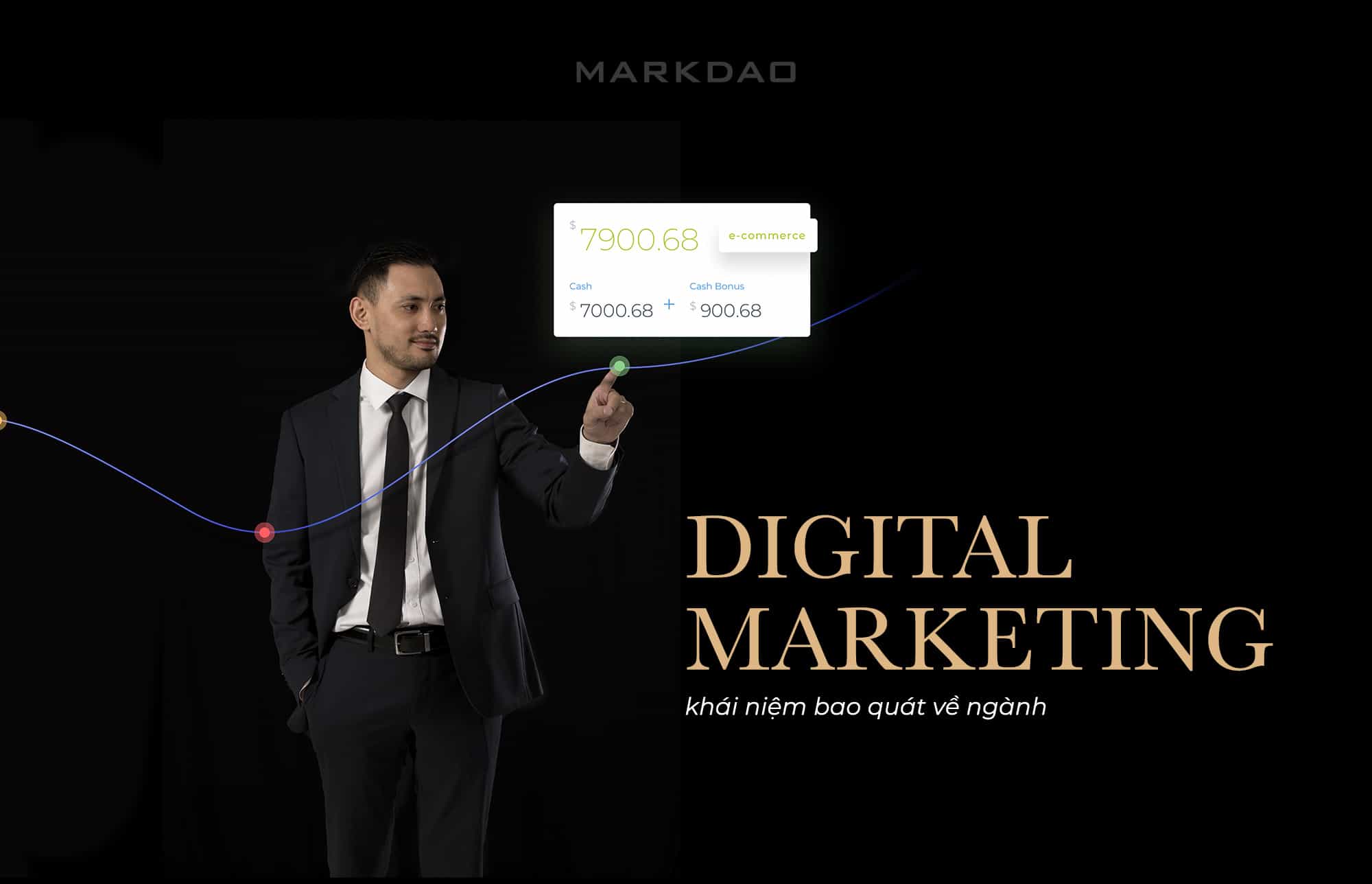
What is Digital Marketing? In today's landscape, Digital Marketing is one of the forms of marketing that no company or business can afford to overlook in their operations. Since the purchasing of goods, products, and services now takes place online, utilizing this type of advertising is a key advantage and a tool that helps companies and businesses reach their potential markets and customers more effectively. So, what is Digital Marketing?
What is the definition of Digital Marketing?
To help you easily visualize this type of service, we would like to provide the following concise definition:
Digital Marketing is promotional activities for products or brands aimed at influencing customer perception and stimulating their purchasing behavior. Simply put, Digital Marketing is marketing activities that use one or more digital media channels on the Internet.
What is the history of Digital Marketing?
Since the rise of the Internet, consumer trends and shopping behaviors have shifted accordingly. Buyers now prefer virtual marketplaces over physical ones, finding them more convenient, useful, and efficient. Furthermore, searching for information has become quite easy, with data accessible through search engines, social media, and more. This has inadvertently created a new customer segment: the online consumer.
What are the advantages of Digital Marketing?
The development of information technology today has led to the emergence of new services, offering businesses a fresh experience with high-quality and reliable service lines, among which Digital Marketing is the service we want to talk about, so what are the advantages of Digital Marketing?
Helps maximize cost savings most effectively
Digital Marketing Digital Marketing services are much more cost-effective than traditional methods used in the past. When businesses implement Digital Marketing , they don't have to worry about expenses like renting space or maintenance. With traditional methods used by famous brands in major cities, such as advertising products and services via television, billboards, newspapers, magazines, flyers, mail, cold calling, or even direct sales, it is easy for service costs to reach tens of billions of dong.
However, Digital Marketing is a form of brand promotion that doesn't require high costs, creating an open competitive environment for small, medium, and large businesses alike. This approach allows consumers to quickly and easily discover your business, rather than having to pitch endlessly without anyone taking notice.
Targeting potential customers
The ability to easily reach potential customers for products and services is the greatest advantage of Digital Marketing, as customers can not only find information about the business but also explore images, pricing, materials, and services. Digital Marketing is a marketing method that can reach customers anywhere, at any time.
It helps businesses easily define needs based on gender, age, occupation, location, and more, while also identifying the shopping habits, interests, and specific behaviors of many customers in today's market. With Digital Marketing Geographical distance is no longer a barrier, as your products or services can reach customers anywhere.
Determine effectiveness
With Digital Marketingtools, you can easily and accurately evaluate metrics regarding customer interest when they interact with your ads. These measurement tools can even track user behavior, such as how they arrived at your website—whether via Facebook or a Google search—where they navigated within your site, how long they stayed, and what content they engaged with.
Increase flexibility
The rapid speed of the internet is its greatest advantage. Because of this, you can monitor the effectiveness of your Digital Marketing campaign through real-time statistics from start to finish.
What are the steps to implementing Digital Marketing?
A successful Digital Marketing process requires a structured approach, which provides companies and businesses with consistency and reliability. So, what are the steps for implementing Digital Marketing? Here is the answer for you.

Step 1: Define your target audience
For any type of Digital Marketing , whether online or offline, you first need to define who you are. Only then should you begin the Digital Marketing process. for yourself. For every Digital Marketing strategy, to achieve the best results, you need to base it on the characteristics, needs, and preferences of consumers; this is the first and most important step in implementing Digital Marketing.
To accurately identify the potential customer group for each of your company's product lines or services, you need to conduct research, surveys, and interviews with your target audience. This must be done realistically; if you rely on assumptions, your Digital Marketing strategy will surely head in the wrong direction. Collect both quantitative and qualitative consumer data to firmly grasp what your customers truly need.
Step 2: Define your goals
Goals are the ultimate results you want your company or business to achieve during the implementation of Digital Marketing, as this is how a business finds its most accurate path forward. Regardless of what that overall goal is, you must know how to measure it; if you can measure its effectiveness, your Digital Marketing process will surely be successful, which will be incredibly helpful.
Step 3: Evaluate your Digital Marketing channels
In this step, you should review the channels or assets available to incorporate into your company's Digital Marketing strategy. Examine which channels are effective and focus on those, including: Owned Media, Earned Media, and finally, the paid media you are using for your Digital Marketingstrategy.
Step 4: Review and plan your media channels
It can be said that media channels are one of the deciding factors in the success or failure of a Digital Marketingcampaign. Your brand messages will be categorized as content, whether it's an about page, product descriptions, or posts on blogs and social media. To determine the level of customer interest and overall effectiveness, you must look at user traffic. Therefore, creating a detailed content plan will certainly account for 50% of your success in the Digital Marketingprocess.
Step 5: Review and plan for Earned Media
Evaluate and review the Earned Media channels that customers value most by analyzing traffic sources to your site, then prioritize and plan accordingly.
What is the difference between Online Marketing and Digital Marketing?
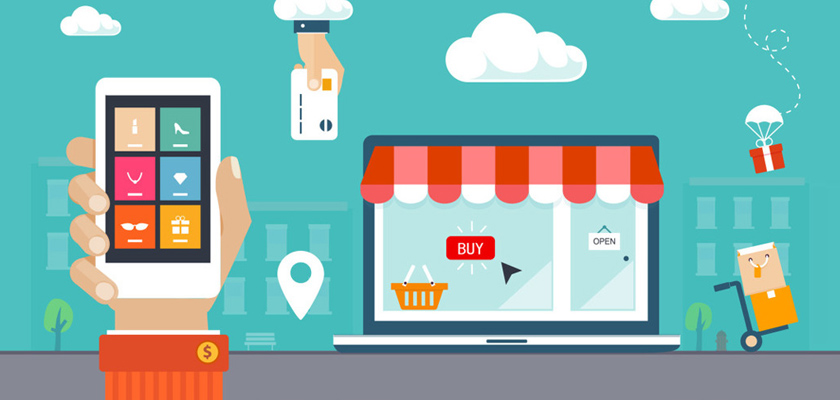
Building on the “Overview of Online Marketing” article that Markdao shared previously and today's post, let's summarize the differences between Online Marketing and Digital Marketing .
Regarding measurement:
Online Marketing can be measured very effectively and easily with the support of current analytical tools. This allows businesses to know exactly how many clicks their website receives, which channels they come from, how long customers stay on the site, and whether customers complete a purchase directly on the business's website. However, Online Marketing only offers measurement capabilities, but they are not precise.
Because Digital Marketing is measurable, whereas this form does not rely on websites or the Internet, making it harder to track. With this type of marketing, you cannot know how many people read the messages you send via SMS, nor can you determine if those recipients made a purchase afterward.
How it works:
When it comes to how they work, Digital Marketing and Online Marketing are completely different. When operating, Online Marketing channels usually depend on the Internet. In cases where there is no Internet, there is no Online Marketing.
Conversely, Digital Marketing channels do not rely entirely on the Internet; they also depend on telecommunications infrastructure (television signals, radio waves, cellular networks, etc.), so they function normally whether or not the Internet is available.
Purpose of use:
There are two main purposes when running advertisements:
+ To increase conversions (sales, sign-ups, etc.) and Online Marketing excels at boosting conversions, making the sales and payment process fast, streamlined, and well-suited to business needs.
+ To increase brand awareness. Digital Marketing is an advertising method that is most effective at strengthening brand awareness for businesses.
In summary, through this article, Markdao hopes you have gained a better understanding of what Digital Marketing is as well as the implementation steps and the differences between Online Marketing and Digital Marketing , helping you develop the right advertising campaigns to effectively achieve your business's overall marketing goals.