Did you know that a tiny # symbol can turn an ordinary post into a social media sensation? Hashtag It’s more than just a simple keyword; it’s a powerful tool that helps you connect with millions, ignite trends, and put your brand in the spotlight. But do you know how to use hashtags smartly to not only attract attention but also spark a "storm of engagement"?
Let’s join Markdao to discover the secrets of using hashtags like a pro, turning simple characters into highly effective marketing weapons that create incredible impact!
What Is a Hashtag?
Definition
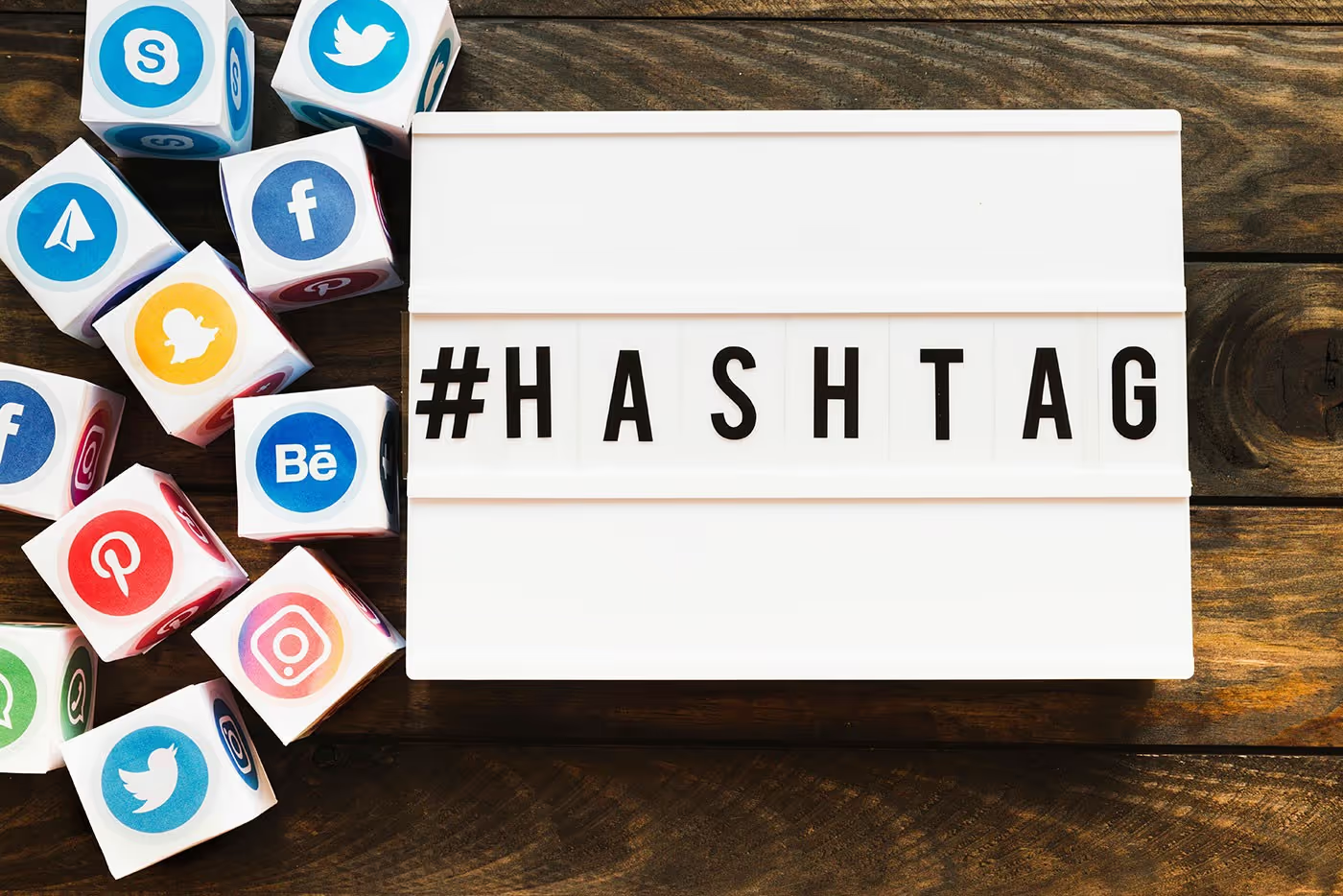
Hashtag is a word or phrase preceded by a hash symbol (#), commonly used on social media platforms like Instagram, Twitter, Facebook, and TikTok. Simply put, hashtags make it easy for users to find content related to a specific topic. When you add a hashtag to a post, it becomes part of a group of content sharing the same theme or trend, making your content much easier to discover.
For example, when you post a photo of your trip with the hashtag #DuLichVietNam, anyone searching for or clicking on this hashtag will see all posts containing it, creating a community sharing content about travel in Vietnam.

History
The hashtag was created in 2007 by Chris Messina, a technology expert, when he proposed using the # symbol to organize and categorize posts on Twitter. This initiative was quickly embraced and grew rapidly, spreading beyond Twitter to other social media platforms like Instagram, Facebook, and LinkedIn. Hashtags not only help users easily search for content but have also become powerful tools for marketing campaigns and brand building.
Today, hashtags have become an indispensable part of every social media communication strategy, helping brands and individuals increase their presence and connect with their followers.
The purpose of using hashtags
Hashtags serve several important purposes when used correctly, including:
- Increasing reach: By using popular or trending hashtags, your posts are more easily discovered and can reach a wider audience.
- Building a community: Hashtags help group similar content together, creating a community or movement for sharing information, ideas, or common interests.
- Generating attention for marketing campaignsBrands often create unique hashtags to promote campaigns, making it easy for users to participate and boosting brand awareness.
- Tracking and measuring performanceHashtags also play a key role in tracking media campaigns, helping businesses easily measure engagement levels and campaign effectiveness.
Hashtags are not just a tool for increasing engagement; they are a vital part of a marketing strategy to drive sustainable growth on social media.

5 popular types of hashtags
Hashtags can be categorized into various types, each serving a specific purpose and strategy. Below are some popular types of hashtags you can use to optimize your content and boost engagement on social media:
1. Trending Hashtags
These hashtags relate to topics or events that are currently hot and attracting widespread attention on social media. Using trending hashtags makes your posts easily discoverable by people interested in those trends, while also increasing the likelihood of appearing on social media search pages.
Examples: #WorldCup, #BlackFriday, #ElectionDay.
Benefits: Rapidly increase reach by leveraging the popularity of current topics.

2. Branded Hashtags
These are hashtags created by brands to promote their products, services, or marketing campaigns. Branded hashtags help build a unique identity and make it easy for users to identify content when searching for or interacting with related posts.
Examples: #JustDoIt by Nike, #ShareACoke by Coca-Cola.
Benefits: Strengthen brand awareness and make it easy for customers to participate in campaigns or promotional programs.

3. Content Hashtags
Content hashtags relate directly to the topic or niche of a post. These hashtags help categorize and organize content into specific interest groups or fields. For example: #Travel, #Foodie, #Fitness.
Benefits: Makes your posts easily discoverable by people who share the same interests or are interested in that topic.
4. Event Hashtags
These hashtags are used to link posts about a specific event. They can relate to industry events, conferences, festivals, or business promotions.
For example: #TechCrunchDisrupt, #SuperBowl, #BlackFridayDeals.
Benefits: Creates a connection between posts about the same event and attracts people who are participating in or interested in that event.

5. Location Hashtags
Location hashtags relate to a specific place, helping your posts reach users in that area. For example: #HoChiMinhCity, #HanoiFood, #NYC.
Benefits: Increases relevance and reach to users in a specific geographic area.
Benefits of using hashtags on social media
Using hashtags correctly can bring many benefits to users and brands on social media. Here are some notable benefits:
Increase reach and engagement
Hashtags make your posts easily discoverable by people interested in those topics, thereby expanding your reach and increasing engagement opportunities. Using popular and relevant hashtags helps your posts appear in user search results, boosting the chances of getting likes, comments, and shares.
Enhance brand awareness
When businesses use branded hashtags, it helps users easily recognize and remember them. In particular, hashtag campaigns like #ShareACoke or #JustDoIt help reinforce brand image and connect directly with customers.
Foster community engagement
Hashtags help build online communities around specific topics or movements. When you use popular hashtags, you not only join global conversations but also create opportunities for people with similar interests and perspectives to connect with one another.
Boost marketing campaigns
Hashtags are effective tools in marketing campaigns, helping to increase the virality of messages and promote products and services. Creating a unique hashtag for a campaign helps attract attention and generate user participation.
Easily track performance
Hashtags help you track media campaigns, evaluate the effectiveness of marketing strategies, and analyze user engagement levels. Analytics tools like Hootsuite and Sprout Social make it easy to measure the performance of your hashtag campaigns.
Improve Off-Page SEO
Hashtags not only enhance content discoverability but also contribute to search optimization on social media platforms. Using hashtags correctly helps your posts appear in social media search engines and improves visibility.
6 Ways to use hashtags effectively and attractively on social media
Imagine you are planning a big party. To attract people, you need an invitation that is exciting, clear, and easily accessible to the right group of guests. On social media, hashtags are those invitations—they connect your posts with people who are truly interested in the content you share. But for hashtags to be truly effective, you need to master how to use them, just like organizing a successful party.
1. Research hashtags before using them:
A party will fail without a clear plan, and choosing hashtags is no different. Don't leave things to chance!
- Use specialized tools: Just like choosing the right food for your guests, you should research hashtags using tools like Hashtagify or Ritetag. These tools are like professional chefs, helping you know which hashtags are "hot," which fields they are suitable for, and whether they "suit the taste" of your target audience.
- Focus on your audience: Who is your target audience? What are their interests? What are their social media habits? Choose hashtags that resonate with their language and preferences, rather than chasing trends that don't fit.
2. Create short, memorable hashtags:
Think of a short, catchy slogan that people will want to repeat. Your hashtag should be the same!
- Avoid overcomplicating: Hashtags that are too long or contain too many special characters will turn users off. Instead, keep them short and clear.
- Tell your own story: A memorable hashtag often tells an interesting story or evokes strong emotions. For example, Coca-Cola's #ShareACoke campaign wasn't just a hashtag; it was an invitation to share a memorable moment.

3. Combine popular and unique hashtags:
When throwing a party, you might invite both famous faces and close friends. Hashtags are the same!
- Leverage popular hashtags: Trending hashtags like #TravelGoals or #Foodie will help your content get more visibility. But remember, you aren't the only one using them, so your post needs to truly stand out.
- Create your own unique hashtag: This is where you add your personal or brand touch. For example, your campaign could use an exclusive hashtag like #MyJourney2024, which is both easy to remember and makes users feel like a special part of the story.
4. Use the right number of hashtags:
Each social media platform has its own "golden rules" for the number of hashtags, much like how every dish needs the right amount of seasoning to achieve the perfect flavor:
- Instagram: A maximum of 5-10 hashtags is the optimal choice to increase reach without cluttering the viewer's experience.
- Twitter: Keep it restrained; use only 1-2 hashtags to ensure your post remains concise and effective.
- TikTok: 3-5 hashtags are enough to leverage trends without distracting from the video.
5. Place hashtags in the right position:
Just like setting a dinner table, where you place your hashtags can affect the first impression:
- At the beginning of the post: If the hashtag is the focus of your content, place it at the start of the post to grab attention immediately.
- At the end of the post: For storytelling posts, hashtags should appear at the end so they don't distract the reader.
6. Avoid overusing hashtags:
A party doesn't need too many dishes, as that makes it hard for guests to focus on enjoying the meal. Similarly, too many hashtags in a post make it look cluttered and unprofessional. Use just enough, ensuring each hashtag is valuable and relevant.
When you use hashtags intelligently, they aren't just tools to boost engagement; they are the threads that connect your story to the world. Instead of just "posting," turn every update into an "enticing feast" that everyone wants to be a part of!
Conclusion
Hashtags are more than just special characters on social media; they are powerful bridges that deliver your content to the right audience. When used strategically, hashtags not only increase engagement but also become a tactical tool for building your brand and leaving a personal mark. Remember that the effectiveness of a hashtag lies in your creativity, relevance, and the finesse with which you tell your story.
Let Markdao accompany you on your journey to mastering hashtags, providing breakthrough communication strategies and optimizing your presence across all social media platforms. Now, are you ready to make your own waves?