


Key Visual is more than just an image; it is a core element that helps a brand stand out and connect powerfully with customers. In today's era of visual communication, creating an impressive brand image not only aids in brand recognition but also drives purchasing behavior and builds customer loyalty. So, what is a Key Visual and how do you build an effective Key Visual that attracts and wins over customers? Join Markdao in this article to discover the "formula" for creating impressive and successful key visuals.
What is a Key Visual?
A Key Visual (also known as a primary visual) is a crucial graphic or visual element that represents the message, emotion, and identity of a marketing campaign or brand.
Key Visuals are typically used consistently across advertising materials, from posters, banners, and videos to social media channels and websites. They serve as the "face" of a campaign, leaving a strong impression in the minds of customers and making it easy for them to recognize and remember the brand.

A primary visual is more than just a beautiful photo or a simple graphic design. It is a harmonious combination of imagery, color, typography, and brand messaging that helps convey the story, values, or emotions the brand wishes to share with the public.
An effective Key Visual will create an emotional connection with customers, thereby prompting them to take action, such as participating in a campaign, purchasing a product, or increasing brand awareness.
The difference between a Key Visual and a Logo
Although both Key Visual and Logo are both visual elements that represent a brand, but they have distinct characteristics and roles:
1. Logo is a brand symbol, typically simple and long-lasting. It rarely changes and represents the brand's identity over a long period. A logo does not go into specific details or narratives; its purpose is purely identification.
2. Key Visual, on the other hand, is flexible and often changes according to specific marketing campaigns or objectives. A key visual can adapt its colors, imagery, or style to suit the content and the target audience of a campaign. It is dynamic and designed to create a strong, immediate impression.
In short, while Logo is the official, unchanging symbol, Key Visual is a powerful tool for expressing a campaign's strategic message, helping to convey emotions and capture customer attention.

The importance of Key Visual in Marketing
In a marketing strategy, Key Visual is not just a beautiful image; it is a powerful tool that helps connect a brand with its customers. The importance of a key visual is demonstrated through the following factors:
Creating brand consistency
A Key Visual effectively helps build consistency in conveying brand messaging. It ensures that all advertising materials, from online to offline, share a common "language" that is easily recognizable and memorable. This helps customers perceive the brand as reliable and makes it easily identifiable across all marketing campaigns.
Increase brand recognition
One of the most important roles of a key visual is to increase brand recognition. When an image is repeated across communication campaigns, customers will easily remember the brand.
Key Visual not only highlights the brand name but also helps create strong emotions, allowing customers to immediately associate that image with your brand.
Create emotion and connect with customers
Key Visual is a powerful element for conveying emotion and can make an impression at first glance. Through the use of imagery, color, and messaging, a key visual has the ability to touch the customer's emotions, thereby forming a stronger bond between the customer and the brand. A good visual can make customers feel that the brand is relatable, accessible, and worth experiencing.

Drive customer behavior
A Key Visual designed the right way not only helps with brand recognition but can also drive customer purchasing behavior.
Combining eye-catching imagery with clear messaging can make customers feel they need to act immediately, such as participating in a promotion, buying a product, or joining an advertising campaign. A key visual can create a strong psychological "trigger," making customers feel they don't want to miss out on an opportunity.
Create a highlight for marketing campaigns
Key Visual acts as a focal point, making marketing campaigns stand out and easy to recognize.
Whether it is a new product launch, a promotional program, or a special event, the key visual is the element that makes the campaign unique and more memorable to customers. A Key Visual a strong presence will easily capture attention and make your campaign the talk of the town.
Stand out from the competition
In a crowded market, having a unique and striking key visual can help your brand differentiate itself from competitors. A fresh, impressive, and memorable image makes it easy for customers to distinguish your brand from others. This is a crucial factor in maintaining competitiveness and sustainable growth.
In short, Key Visual plays an indispensable role in marketing, not only by aiding brand recognition but also by creating an emotional connection with customers, driving purchasing behavior, and serving as a focal point for your campaign. The importance of a key visual in building and developing a brand is undeniable.
The formula for creating an effective, engaging Key Visual
Creating an Key Visual that works requires a tight integration of design elements, communication strategy, and a deep understanding of your target audience. Below is a "formula" to help you build a key visual that is both eye-catching and capable of accurately conveying your brand's message and values:
1. Define the core message

Before you start designing your key visual, the most important step is to clearly understand the message you want to convey. Key Visual is a tool for delivering the core message and values of your brand or marketing campaign. Ask yourself:
- What do you want customers to feel about the brand?
- What is the goal of this campaign?
- What action do you want the viewer to take (make a purchase, sign up, attend an event, etc.)?
Once the message is clearly defined, Key Visual will become a powerful tool to help you convey it easily and impressively.
2. Understand your target audience
To create an engaging key visual, you need a deep understanding of your target audience. This includes factors such as:
- Age, gender, and occupation: Each group has its own preferences and aesthetic tastes, so tailor your design to suit your target audience.
- Interests and needs: Key Visual should reflect what customers desire, thereby creating a strong connection.
- Emotions and behaviors: Emotional elements such as joy, happiness, freedom, or security can be triggered through the imagery, colors, and messages within your key visual.
3. Choose the right design elements
Once you have defined your message and target audience, the next step is to select design elements to highlight your Key Visual design:

- Color: Color has a significant impact on customer emotions. Each color carries its own meaning. For example, red conveys strength and energy; blue creates a sense of trust and security; yellow brings a feeling of joy and freshness. Choose colors that align with your message and create clear contrast to grab attention.
- Typography: Choosing a font is not just about readability; it must also align with your brand identity. A modern, youthful font suits fashion brands, while a classic, elegant font is better suited for luxury brands.
- Imagery and symbols: Imagery is the primary element that evokes emotion for Key Visual. Ensure that the images used are relevant to the message and closely aligned with your target audience. For example, an image of a happy consumer using the product can build connection and encourage purchasing behavior.
4. Brand storytelling
A successful Key Visual is more than just a beautiful picture; it must also tell a story. Using a key visual as part of your storytelling helps customers easily understand and feel your message. This makes the message relatable, memorable, and effective at building long-term relationships with customers. For instance, the imagery in a Key Visual can convey an exciting experience that customers will have when using the product.
5. Create highlights with unique elements
To make your key visual truly stand out, don't hesitate to incorporate a unique, distinctive element. This could be a small but creative detail, an unexpected image, or a fresh approach to color and shape. A unique element helps your Key Visual become memorable and leaves a lasting impression on customers.
6. Testing and optimization
After designing your Key Visual, don't forget to test and optimize it to ensure maximum effectiveness for your marketing campaign. You can conduct surveys with your target audience to gather feedback on the imagery, message, and the overall feeling the key visual evokes. Based on that feedback, adjust the design elements to achieve the best results.
In summary, to create an effective Key Visual, you need to:
- Define a clear message,
- Understand your target audience,
- Use colors, fonts, and imagery appropriately,
- Tell a compelling brand story,
- Create a unique focal point,
- Test and optimize for maximum effectiveness.
Applying these elements to your Key Visual will help you create impressive, memorable imagery that attracts customers while enhancing your brand value and recognition.
Examples of successful Key Visuals
Below are some examples of successful Key Visuals that have helped brands stand out and make a strong impression on customers:
1. Nike - "Just Do It"

Nike is one of the brands with a very strong and consistent Key Visual strategy. Nike's campaigns always feature images of famous athletes paired with powerful messages that encourage everyone to "Just Do It."
Key Visual Nike's are typically motivational photos, capturing athletes in action to showcase strength and determination. These athlete images become symbols of perseverance and physical power, while embodying a never-give-up spirit.
These key visuals have inspired consumers and helped Nike build a strong, loyal community while cementing its position as a leader in the sports industry.
2. Coca-Cola - "Share a Coke"
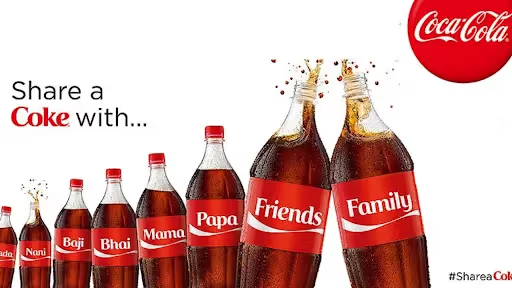
The "Share a Coke" campaign by Coca-Cola is one of the most prominent marketing campaigns with a successful Key Visual. In this campaign, Coca-Cola redesigned its packaging by replacing the Coca-Cola logo with popular names. Each bottle became an opportunity for consumers to find their own name or that of a loved one.
The Key Visual for the campaign primarily featured images of Coca-Cola bottles with names printed on them, creating a sense of personalization and connecting consumers to the brand.
This program captured global attention and sparked lively social media conversations as people shared photos of Coca-Cola bottles featuring their own names or those of their friends. This Key Visual not only attracted customers but also enhanced engagement and fostered a sense of closeness to the brand.
3. Apple - "Think Different"
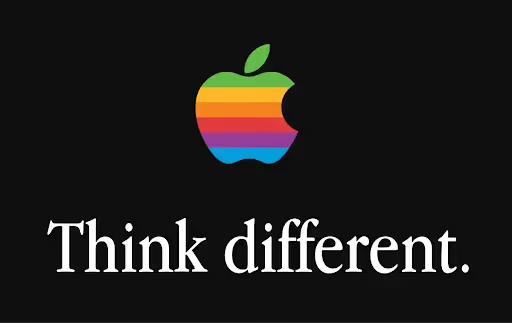
Apple built one of the most powerful Key Visuals in history with its campaign "Think Different"The campaign's key visuals feature legendary figures such as Albert Einstein, Mahatma Gandhi, and Martin Luther King, individuals who changed the world through their unconventional thinking.
Key Visual for Apple is more than just a collection of famous faces; it is a bold statement of the creativity and innovation the brand represents. These simple yet profound images convey a powerful message of innovation and differentiation, particularly within the technology industry.
The "Think Different" campaign was a major catalyst in establishing Apple as a symbol of creativity, uniqueness, and disruption, helping the brand cultivate a massive base of loyal customers.
Conclusion
These examples demonstrate that a successful Key Visual not only helps a brand build a strong identity but also resonates with the emotions and needs of its customers, fostering long-term connections. Elements such as striking imagery, clear messaging, and emotional engagement are the keys to making a Key Visual effective and compelling.