You've heard of a proposal, but have you ever wondered how to write one that is professional and persuasive enough to get a "yes" on the first try? From project pitches and business plans to funding requests, a high-quality proposal can make or break your success. But don't worry! In this article, Markdao will help you understand what a proposal is and provide a step-by-step guide to creating the perfect proposal, helping you seize every opportunity!
What is a proposal?
A proposal is a document written to present an idea, plan, or solution to a specific problem, with the goal of persuading the recipient to approve it or collaborate. Proposals are used in various fields, including business, project management, research, funding, and marketing.
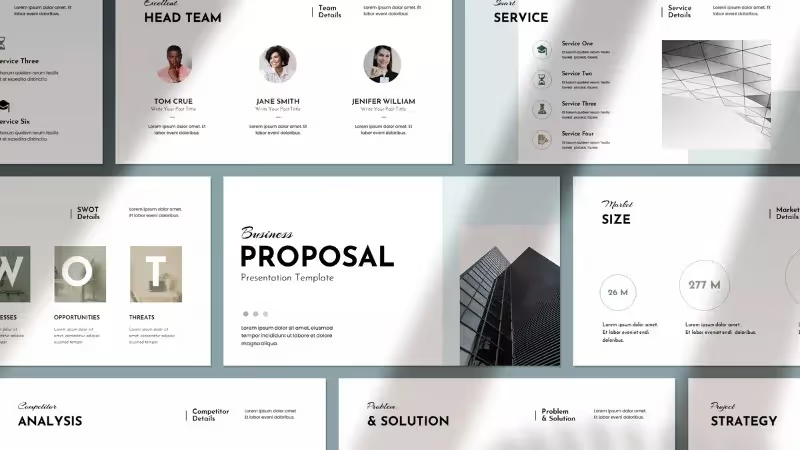
An effective proposal must be clear and highly persuasive, providing comprehensive information about the problem, solution, benefits, and implementation plan, making it easy for the recipient to make a decision.
6 common types of proposals
1. Business Proposal: This type of proposal is used in business contexts, such as when a company pitches a product or service to potential clients, partners, or investors. It helps convince the target audience of the value of the product or service and why they should collaborate or invest.
2. Project Proposal: This is a detailed document describing the steps and plans for executing a specific project. It helps organizations, businesses, or individuals present their ideas and request funding or approval to launch a project.
3. Research Proposal: This type of proposal is commonly used in academic, research, and development fields. It outlines research objectives, methodologies, the significance of the study, and implementation plans to secure approval or funding for a research project.
4. Funding Proposal: When you need to secure funding for a specific project or program, a funding proposal is an essential tool. This type of proposal is typically submitted to organizations, foundations, or individuals with the capacity to provide financial support.
5. Marketing Proposal: This is the type of proposal that businesses and agencies like Markdao send to clients or partners to suggest marketing or advertising strategies. It includes detailed plans on market approach, marketing strategies, and projected budgets.
6. General Proposal: Beyond the common types mentioned above, there are many other forms of proposals, such as HR proposals, partnership proposals, or process improvement proposals. Each has its own purpose and requirements depending on the context.
Standard Proposal Structure
A perfect proposal requires not only persuasive content but also a coherent, easy-to-follow structure that helps the recipient quickly grasp the information and make a decision. Below is the standard structure you need to master to write professional and impressive proposals:

1. Title Page: This is the first section you present, but don't underestimate it! The title must be clear, concise, and striking so the reader immediately understands the purpose of the proposal. In addition to the title, don't forget to include information about the sender, the recipient, and the date.
2. Executive Summary: Even though it only takes up a few sentences, this section is incredibly important! The summary helps the reader quickly grasp the key points of the proposal, from objectives and solutions to primary benefits. Ensure you pique their curiosity and make them want to read more.
3. Problem Statement & Background: This is where you clearly define problem that your proposal will address. Describe the current situation in detail and explain why this issue requires attention. Background will provide the recipient with a comprehensive overview of the situation and why they should care.
4. Objectives: This section helps the reader understand what you aim to achieve with this proposal. Objectives must be specific, measurable, and closely related to the problem you just outlined.
5. Proposed Solution & Methodology: This is the core of the proposal—where you will present a detailed solution to address the problem. Also, don't forget to describe the methodology, as this is exactly how you will turn the solution into reality.
6. Implementation Plan & Timeline: The recipient will want to know what you plan to do and when. This section will detail each step of the implementation process, helping them clearly see the roadmap and completion timeline.
7. Budget & Cost Breakdown: A proposal is incomplete without this section, especially when it involves funding or partnerships. Provide a detailed breakdown of costs and the projected budget for each phase of the project.
8. Benefits & Expected Outcomes: This is where you show the recipient the benefits they will gain by approving your proposal. List the specific benefits and the results you aim to achieve. Don't forget to emphasize the long-term value your solution provides.
9. Conclusion & Call to Action: Finally, you need to close your proposal in a strong and persuasivemanner. Summarize the key points and encourage the recipient to take immediate action – making a decision, partnering, or providing funding.
10. Appendix & References (if needed): This section should only be included if you need to provide additional data, figures, or more detailed information that could not fit into the main sections of the proposal.
With this structure, you not only make it easy for the recipient to follow along but also leave a lasting impression of your professionalism and attention to detail. Each section has its own power in persuading the reader and laying the foundation for a successful proposal.
A 6-step guide to writing a professional proposal
Writing a proposal is not just about presenting an idea; it is a process of convincing the recipient that your solution is the right choice. To create a successful proposal, you can follow these steps to help you present your ideas more clearly and persuasively.

Step 1: Define your goals and target audience
Before you start writing, you need to clearly define your goals and your target audience. This helps you determine the best way to structure and craft your content for maximum impact.
- Goals: What do you want to achieve with this proposal? Are you seeking funding, a partnership, an investment, or trying to convince a client to purchase your product or service? Understanding your goal helps you build a precise message and communicate it more effectively.
- Target Audience: Who will be reading your proposal? They could be investors, partners, potential clients, or funding organizations. Each group has different interests and speaks a different "language," so you need to tailor your proposal accordingly. For example, investors might focus on profitability, while clients prioritize the value of the product or service.
Step 2: Gather and analyze information
To write a persuasive proposal, you must provide complete and accurate information. This demonstrates that your proposed solution is both feasible and well-founded.
- Gathering information: Look for data related to the problem you are solving. This could include market research, real-world statistics, industry reports, or expert insights. The more supporting data you have, the stronger your proposal will be.
- Analyzing information: Once you have collected your data, you need to analyze it to draw clear conclusions. Explain why the problem you are addressing is important and why it needs to be solved immediately. Don't just present numbers without context; your readers need to understand why those figures matter to your proposal.

Step 3: Structure your proposal content
Now that you have your goals and information, it is time to start writing the proposal. Ensure the content follows a standard structure so it is easy for the reader to follow and understand.
1. Title Page: Keep the title concise, clear, and easy to understand. It should state the purpose of the proposal right from the start, for example: "Sponsorship Proposal for Project X" or "Strategic Partnership Proposal with Company Y." Include details such as the sender's name, the recipient's name, and the date.
2. Executive Summary: This section must be brief but provide enough information for the reader to grasp the core of the proposal. Give an overview of the problem, your proposed solution, and why the recipient should accept this proposal. Although this is the opening section, keep it short—ideally just 1-2 paragraphs.
3. Problem Statement & Background: Provide a detailed description of the problem you intend to solve. This is where you explain why the issue needs to be addressed immediately and how the situation might worsen if it is not. Use data, research, or real-life stories to make your case more persuasive.
4. Objectives: List the goals you aim to achieve. These objectives must be clear, measurable, and have a specific timeline. Ensure that the goals you set are feasible and realistic.
5. Proposed Solution & Methodology: This is the most critical section. Detail your proposed solution to the problem. The solution must be supported by research, real-world examples, and specific strategies. Additionally, outline the methodology and specific implementation steps.
6. Implementation Plan & Timeline: A detailed plan and specific timeline helps the reader visualize the implementation process. Use charts, timelines, or tables to illustrate the steps. Clearly define each phase and key milestone throughout the process.
7. Budget & Cost Breakdown: List the costs required to execute the solution in detail. Provide a clear budget breakdown, covering personnel, materials, technology, and other auxiliary expenses. This helps the recipient understand the necessary investment and the rationale behind the costs.
8. Benefits & Expected Outcomes: List the benefits your solution provides, from immediate to long-term impacts. Ensure you mention specific benefits for the recipient, such as revenue growth, cost savings, or improved operational efficiency. The goal is to show the reader that this solution is worth the investment.
9. Conclusion & Call to Action: Conclude the proposal with a strong summary of why the recipient should accept your offer. Encourage immediate action, for example: "We look forward to discussing this partnership opportunity further" or "Please contact us to get started."
Step 4: Present the proposal professionally, clearly, and concisely
Ensure your proposal is presented in a clean, easy to read and easy to understand. Avoid cluttering the information, which makes it difficult for readers to find and process what they need.
- Use headings and subheadings: Each section of the proposal should be clearly divided with headings and subheadings. This helps readers follow along and grasp information quickly.
- Formatting and fonts: Choose a readable font and avoid using too many colors or overly elaborate typefaces. Ensure the content has proper spacing and even margins.
- Charts and images: Whenever possible, use charts, tables, or images to illustrate data or implementation processes. This not only makes the proposal more engaging but also helps the reader understand it better.
Step 5: Review, edit, and optimize the proposal before sending
Once you have finished the proposal, don't rush to send it immediately. Take the time to review and edit every detail.
- Check the logic: Ensure all information is coherent and logical. The sections of the proposal should flow naturally into one another.
- Check spelling and grammar: A proposal with typos will make you look unprofessional. Carefully check every word and sentence to avoid errors.
- Get a second opinion: Sometimes, the writer's eyes can overlook small mistakes. Ask someone else to review the proposal and provide feedback.

Step 6: How to send your proposal effectively to increase your success rate
Finally, don't forget that how you send the proposal is just as important as the content itself.
- Choose the right delivery method: You can send the proposal via email, handwritten letter, or online platform (for digital projects). Ensure the recipient receives the proposal in their preferred format.
- Write a brief introduction: When sending a proposal via email, don't forget to provide a brief introduction regarding the content and your reason for sending it. Make the recipient feel that your proposal is worth reading immediately.
- Follow up and respond: After sending your proposal, follow up and be ready to answer any questions from the recipient. A prompt response will make a good impression and help you get closer to your goal.
Important tips for writing a proposal
Here are some important tips for writing a proposal:
1. Be clear and concise: Ensure all information is presented in a logical and easy-to-understand manner. Avoid using complex or vague language.
2. Focus on benefits: Clearly state the benefits the recipient will gain from accepting your proposal, rather than just focusing on the details of the solution.
3. Know your audience: Tailor your content to suit the recipient, ensuring you understand their needs and concerns.
4. Provide compelling evidence: Use data, research, or real-world examples to demonstrate the feasibility and effectiveness of your solution.
5. Edit thoroughly: Carefully check for spelling, grammar, and flow to ensure your proposal looks professional.
6. Use a logical format: Structure your proposal to be clear and readable, using headings, a table of contents, and concise, accessible paragraphs.
Paying attention to these factors will help you create an impressive proposal that easily persuades the recipient.
Conclusion
Writing a professional proposal is not just about presenting ideas; it is about how you convince the recipient to see the value and potential in your solution. A successful proposal relies not only on persuasive content but also on polished presentation and careful attention to every detail.
By following these detailed steps and key considerations, you will be able to create highly persuasive proposals that lead to collaboration, investment, or success in any project. Always remember that a strong proposal is a vital stepping stone to success in your work and business!