


In a crowded marketplace, how can your business stand out and leave a lasting impression on customers? The answer lies in brand identity – a crucial element that helps a brand not only be recognized but also build credibility and trust.
A brand identity system is more than just a logo or a color palette; it is how a brand communicates, expresses its personality, and asserts its position. So, what is brand identity , what does it include, and how do you design an effective one? Let’s join Markdao to explore this in today's article!
What is brand identity?
Brand identity is the collection of visual elements and messages that help a brand be recognized and remembered by customers. It is not merely a logo or color scheme, but the overall way a brand presents itself through imagery, style, tone of voice, and the experience it delivers.
When you think of a major brand, what makes you recognize it instantly? It might be a unique logo, signature colors, a catchy slogan, or a consistent design style across all platforms. All these elements are part of brand identity, helping businesses build their own mark and differentiate themselves from competitors.

The difference between brand identity and branding
Many people confuse "brand" with "brand identity”. Although closely related, these are two completely different concepts:
- Brand is the overall perception customers have of a business, including its reputation, core values, and the experience the brand provides.
- Brand Identity is how a brand presents itself through tangible elements such as logos, colors, typography, imagery, and communication messaging.
In other words, a brand is what customers feel, while brand identity is what a business creates to build that perception.
The role of brand identity
A strong brand identity provides many significant benefits to a business:
1. Helps customers easily recognize the brand: In a crowded, competitive market, having a consistent brand identity system helps a business stand out, making it easier for customers to remember and distinguish it from competitors.
2. Builds credibility and trust: A professional identity reflects polish, consistency, and reliability. When customers see a brand with a strong image, they are more likely to trust it and remain loyal over the long term.
3. Conveys brand messaging and values: Brand Identity is not just about visual elements; it is how a brand communicates with its customers. Through logos, colors, typography, and design style, a business can convey its brand story, core values, and mission.
4. Increasing brand value: A brand with a well-structured identity system can easily build a professional image, enhance its brand value, and create a solid competitive advantage in the market.
Brand identity is the foundation that helps businesses not only attract customers but also build lasting relationships with them. To achieve this, businesses need to invest in a brand identity system that is methodical, professional, and consistent across all platforms.
What does a brand identity system include?
A brand identity system is more than just a logo or slogan; it is a system of visual and content elements that help a brand express its identity and make an impression on customers. A complete brand identity system typically includes three main groups: core brand identity, product & communication identity, and point-of-sale identity.

1. Core brand identity
These are the most important elements, serving as the foundation that helps the brand be recognized consistently and professionally.
- Logo: The symbol representing the brand, conveying its message and personality through a single image. A logo needs to be simple, recognizable, and relevant to the field of operation.
- Slogan (brand tagline): A short, concise phrase that helps customers immediately understand the brand or the value it provides. For example, Nike's "Just Do It" or Apple's "Think Different."
- Brand colors: Every brand has a primary color palette that remains consistent across all communication platforms. Colors not only aid in recognition but also influence customer emotions and perceptions.
- Fonts & typography system: Consistent typography helps a brand convey its message clearly and professionally.
- Brand positioning & core messaging: This serves as a guiding compass, ensuring the brand maintains a consistent voice when communicating with customers.
2. Brand identity in products & communications
These elements help the brand reach and engage with customers across various platforms.
- Business cards, envelopes, letterheads: These printed materials not only aid in recognition but also demonstrate professionalism when communicating with partners and clients.
- Website & digital interface: A professional website establishes a strong online presence while making it easy for customers to learn about products and services.
- Social media & digital content: Includes profile pictures, cover photos, and post styles for Facebook, Instagram, LinkedIn, etc., ensuring a consistent brand presence across digital platforms.
- Brochures & company profiles: These are essential documents for businesses to professionally showcase their capabilities, products, and services.
3. Brand identity at point of sale
This identity system ensures customers have a consistent experience when interacting with the brand in person.
- Signage, banners, standees: These visual advertising elements help the brand stand out at stores, showrooms, or events.
- Staff uniforms: Professionally designed uniforms make staff easily identifiable and build trust with customers.
- Product packaging and labels: This is a crucial factor in making a lasting first impression on customers. Attractive, professional packaging helps your product stand out and builds long-term brand value.
Brand identity system is more than just a logo or slogan; it is a comprehensive system of visual and content elements that allow a brand to express its identity and differentiate itself. A strong identity helps businesses enhance their credibility, attract customers, and create a sustainable competitive advantage in the market.
6-step professional brand identity design process
Designing a brand identity professionally is not just about creating a logo or choosing colors; it is a long-term strategy that helps a brand establish its market position and build customer trust. An effective identity not only makes a strong first impression but also helps businesses maintain a consistent image across all platforms.
Below are 6 key steps in the professional brand identity design process.
1. Brand and market research
Before starting the design, an in-depth research phase is necessary to ensure the brand identity is not only visually appealing but also accurately reflects the brand's values and fits the market.

Key areas for research:
- Vision, mission, and core values: What is the brand aiming for? How is it positioned in the market?
- Target audience: Who are they? What do they expect from the brand?
- Competitors: What are their strengths and weaknesses? What makes your brand stand out?
- Design and market trends: What are the current design trends in your industry? Should you follow them or create something different?
Desired results: Define the brand identity and appropriate visual direction.
2. Building a brand visual strategy
Once you have sufficient research data, the next step is to shape the overall design style.
Key elements to define:
- Brand color palette:
- Primary Color – the color that represents the core identity of the brand.
- Secondary Color – supports the primary color in design.
- Neutral Color – helps balance the overall design.
- Example: An organic food brand might use green to evoke a sense of freshness and nature.
- Typography:
- Heading Font
- Body Text Font
- Accent Font
- The font must be legible, reflect the brand's spirit, and be versatile enough for use across various platforms.
- Visual and Graphic Style:
- Should we use real photography or illustrations?
- Should the graphics be simple or complex?
- What about the lighting, camera angles, and layout composition?
Desired Outcome: Develop a brand concept to help create a consistent visual identity in design.
3. Logo Design – The Foundation of Brand Identity
The logo is the most important element of brand identity. It serves as the visual representation of the brand across all communication channels.
Logo Design Requirements:
- Simple yet unique: A good logo needs to be memorable and easily recognizable and must remain clear whether scaled up or down.
- Iconic: The logo should reflect the brand's industry or core values.
- Versatile: The logo needs various versions to suit all platforms (websites, printed materials, packaging, etc.).
- Timeless: Avoid chasing short-term trends. A good logo should remain relevant for years without becoming outdated.
Essential logo versions:
- Primary logo (Full logo)
- Simplified logo (Icon or initials only)
- Black and white logo (For monochrome printing)
- Vertical and horizontal logo (For different formats)
Desired outcome: A professional logo suite that meets all usage requirements.
4. Finalizing brand identity elements
Once the logo is established, the business needs to extend its identity to other elements to ensure consistency.
Key components:
- Office stationery:
- Business cards
- Envelopes
- Letterhead
- Email signature
- Marketing collateral:
- Brochures, flyers
- Company profile
- Posters, advertising banners
- Digital brand identity:
- Website
- Social media assets
- Email marketing
- Product packaging (if applicable):
- Product boxes
- Labels
- Paper bags, tote bags
- Staff uniforms:
- Shirts, hats, staff ID cards
- Consistent design for every workstation
Desired outcome: A complete brand identity across all platforms.
5. Developing Brand Guidelines – The Brand Identity Manual
Brand Guidelines are documents that ensure the brand image is used correctly across all communication channels.
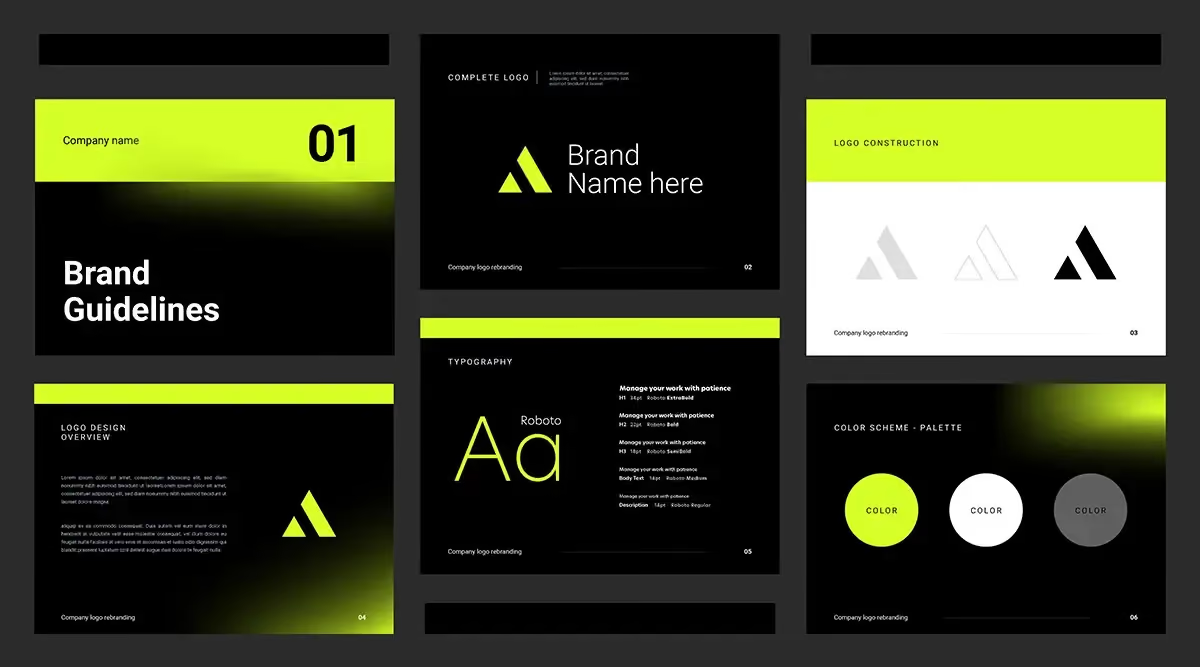
Key contents of the Brand Guidelines:
- Logo usage (Proportions, minimum clear space, background usage, etc.)
- Brand color codes (RGB, CMYK, HEX)
- Typography and usage guidelines
- Image and graphic standards
- Design guidelines for collateral
Desired outcome: A detailed set of documents to help maintain brand consistency.
6. Implementation and performance evaluation
The brand identity must be implemented consistently across all platforms once finalized.
Implementation steps:
- Update the brand identity across the website, social media, and marketing materials.
- Train staff on how to use the brand assets brand identity correctly.
- Evaluate customer feedback and make adjustments if necessary.
Desired outcome: The identity is applied consistently, making the brand look professional and easier to recognize.
Conclusion
Designing a brand identity professionally is a process that requires thorough research and systematic execution. A well-designed identity not only helps a brand stand out in the market but also builds trust with customers.
By following the process above, businesses can build a strong, cohesive brand image that is ready for sustainable growth.