


Have you ever read an article or seen an ad that felt like it was written just for you? It wasn't about dry statistics or boring introductions, but stories that touched your emotions, made you laugh, reflect, or even shed a tear.
That is the power of storytelling . In marketing, storytelling doesn't just help a brand stand out among thousands of daily messages; it makes customers remember, trust, and choose you. So, how do you turn your brand story into a magnet that attracts customers? Let's join Markdao to find out!
What is storytelling?
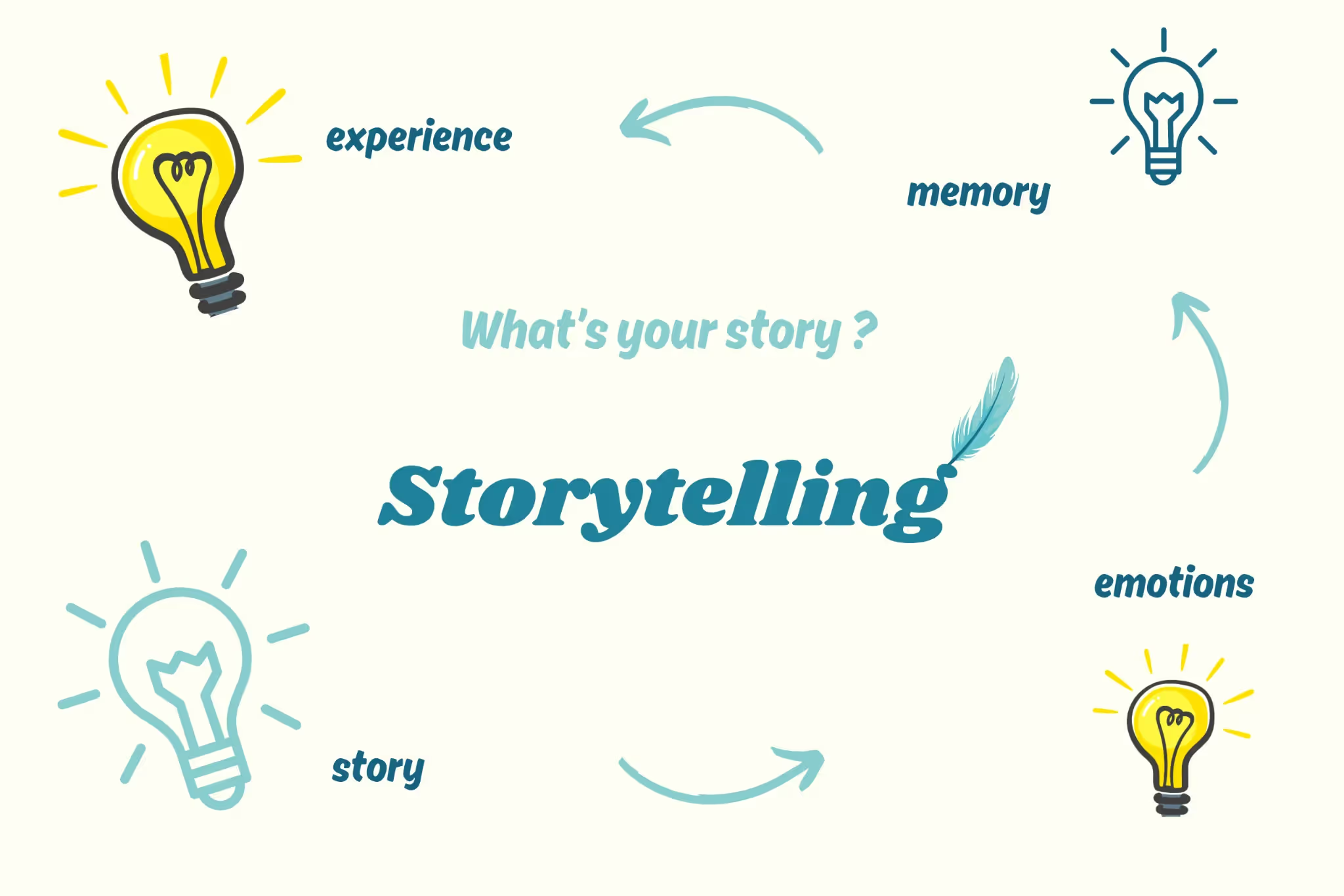
Storytelling, or the art of narrative, is a method of conveying information, ideas, or messages through stories in a vivid and engaging way. More than just recounting events, storytelling combines words, imagery, sound, and emotion to create a powerful experience, making it easier for the audience to absorb and remember the message.
Thanks to storytelling, complex concepts can be transformed into relatable, easy-to-understand stories, helping brands not only provide information but also connect with their customers' emotions. This is why storytelling has become a vital tool in marketing, advertising, education, and communications, making content more compelling and impactful.
A compelling story typically features a protagonist, a setting, a climax, and a resolution—all skillfully arranged to guide the listener or reader through an emotional journey.
It is no coincidence that major brands like Apple, Nike, and Coca-Cola all use storytelling as a core strategy in their communications and advertising. When a brand knows how to tell a story, they don't just sell products; they create experiences and inspire their customers.
5 popular types of storytelling
Storytelling takes many different forms, depending on the message's goal and the platform being used. Below are the most popular types of storytelling in marketing:
1. Brand Storytelling : This form of storytelling focuses on sharing the journey of how a brand was formed, its core values, and its mission. A successful brand story not only helps customers understand the business but also builds a connection, making them trust and love the brand more.
2. Product Storytelling : Instead of listing technical specifications or features, product storytelling uses a narrative to explain how a product or service can improve a customer's life. A classic example is how Apple doesn't just introduce the iPhone as a piece of technology, but as a tool that helps users capture memorable moments.
3. Customer Storytelling : This is a form of storytelling leverage real-life stories from customers who have used your products or services. When a brand shares the journeys and experiences of its customers, it not only builds trust but also helps potential consumers relate to those stories, making them feel that they too can achieve similar results.
4. Visual Storytelling : It is not always the case that storytelling needs to be expressed through words or writing. Visual storytelling uses images, videos, graphics, or charts to convey messages in a visual and impactful way. This is how platforms like Instagram, TikTok, and YouTube create content that captivates viewers.
5. Data Storytelling : When dry numbers are woven into a meaningful narrative, they become more persuasive than ever. Data storytelling helps brands interpret data in an engaging and accessible way, giving customers a clearer perspective on the value of a product or service.
Each form of storytelling has its own unique power, and choosing the right approach will help a brand convey its message most effectively. The key is not just how you tell a story, but how that story touches the hearts of your customers.
The benefits of storytelling in marketing and content
Storytelling is not just a technique for conveying information; it is a powerful tool that helps brands connect with customers on a deeper level. When applied to marketing and content, storytelling offers several key benefits:

1. Building emotional connections with customers
People tend to remember emotions better than dry facts. A good story can evoke empathy, provide inspiration, and help a brand feel more relatable to its customers. When consumers feel a connection to a brand, they are more likely to trust it and choose its products or services.
2. Making your brand distinct and memorable
In a world where thousands of brands compete for customer attention every single day, storytelling is a way to leave a unique mark. A compelling story ensures that a brand is not only remembered longer but also stands out amidst the sea of advertising messages.
3. Simplifying complex information
Data, facts, and abstract concepts can be difficult to grasp and dull when presented in a standard format. Storytelling transforms this information into a vivid, accessible narrative, helping customers absorb the message more naturally and memorably.
4. Increasing engagement and sharing
Content with storytelling elements typically captures more attention, keeps viewers engaged longer, and is more easily shared across digital platforms. A great story can create a powerful viral effect, helping a brand reach a wider audience without excessive advertising costs.
5. Driving purchasing decisions
When a story skillfully guides emotions and addresses a customer's pain points, they tend to make decisions faster. Marketing campaigns that utilize storytelling are not only more persuasive but also stimulate the desire to own the product or service.
When applied correctly, storytelling can turn a simple marketing message into a memorable experience, helping a brand win over the hearts of consumers.
5 golden rules for building a storytelling strategy
A good story is more than just a sequence of events; it requires structure, emotion, and a clear message. Below are 5 golden rules for building storytelling that works in marketing and content.
1. Glue – Create a connection with your audience
A successful story must be able to hook and hold the audience's attention from start to finish. This requires content with strong cohesion, making it easy for readers to empathize and feel like they are part of the story.
How to apply:
- Use relatable situations that connect with the customer's experience.
- Develop characters with traits, personalities, or backgrounds similar to your target audience.
- Present a problem or challenge right from the start to spark curiosity.
2. Reward – Deliver value to your audience
A compelling story doesn't just interest the reader; it must also provide tangible value to them. This could be a lesson, a source of inspiration, helpful advice, or a solution to a problem they are facing.
%20%E2%80%93%20Mang%20l%E1%BA%A1i%20gi%C3%A1%20tr%E1%BB%8B%20cho%20ng%C6%B0%E1%BB%9Di%20xem.avif)
How to apply:
- Ensure the content doesn't just tell a story but also carries a meaningful message.
- Integrate knowledge, experience, or solutions that help customers solve their problems.
- Make viewers feel it is worth the time they spent following the story.
3. Emotion – Touching the viewer's heart
Emotion is the factor that makes Storytelling vivid and memorable. Content that is humorous, inspiring, or evokes empathy will have a much stronger impact than mere information.
How to apply:
- Use evocative imagery and language to create a connection.
- Leverage relatable themes like love, perseverance, courage, or ambition to highlight the story.
- Create climactic or unexpected situations to keep viewers engaged.
4. Authentic – Building trust
In an era where customers are increasingly "immune" to advertising, an authentic story is far more persuasive. They want to hear real stories based on actual experiences, rather than content that feels overly "polished" or boastful.
How to apply:
- Use real-life stories from your customers, employees, or your own brand.
- Avoid overly boastful content or claims that lack clear evidence.
- Share the struggles and challenges the brand or the characters in the story have faced, rather than just focusing on success.
5. Target – Reaching the right audience
Every story needs a clear goal and must be directed at the right audience. Not everyone will resonate with the same story, so identifying the right customer insights will help storytelling achieve maximum effectiveness.
%20%E2%80%93%20%C4%90%E1%BB%8Bnh%20h%C6%B0%E1%BB%9Bng%20%C4%91%C3%BAng%20%C4%91%E1%BB%91i%20t%C6%B0%E1%BB%A3ng.avif)
How to apply it:
- Thoroughly research your target customer persona before creating content.
- Choose a storytelling style that fits your communication channel (blog, social media, video, email marketing, etc.).
- Adjust your tone and delivery to align with the interests and needs of your target audience.
How to effectively apply storytelling to content marketing
Storytelling is not just a method of conveying information; it is the key to making marketing content vivid, relatable, and highly impactful. A great story does more than just grab attention—it creates an emotional connection, drives customer action, and ensures long-term brand recall.
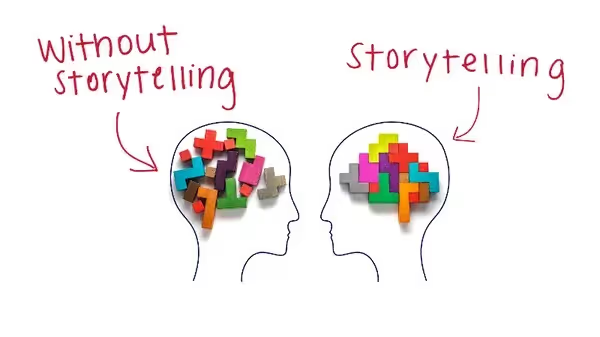
So, how can you apply storytelling effectively enter content marketing?
1. Storytelling in advertising
Advertising is no longer just about listing product or service features. Successful brands know how to turn ads into a meaningful storythat touches the customer's emotions.
How have major brands succeeded with storytelling?
- Nike – “Just Do It”: Nike doesn't just sell shoes; they sell the spirit of pushing boundaries. Every Nike campaign tells the journey of athletes – from their struggles and challenges to their moments of glory.
- Coca-Cola – “Share a Coke”: By printing names on their bottles, Coca-Cola created a personalized story that encouraged people to share and connect.
How to apply storytelling to advertising:
- Focus on emotions, rather than just talking about the product.
- Connect the brand with the values that customers care about.
- Use images, video, and music to enhance the emotional impact.
2. Storytelling in content marketing articles
Marketing articles shouldn't just provide information; they must engage the reader from start to finish. If you only list dry data, the article will become boring and fail to make a lasting impression.

How to use storytelling to make blog posts more engaging:
- Lead with a story: Start your post with a real-life situation, a relatable problem, or a specific character to build a connection with your readers.
- Build a journey: Don't jump straight to the solution; let the reader go through the process of discovery and empathize with the problem before introducing the answer.
- Incorporate personal elements: Use stories from customers or the brand's own experiences to increase authenticity.
Practical example: Instead of writing "How to write engaging content?", start with a story like:
"Have you ever spent hours writing a post only for no one to read it? You're definitely not alone. Imagine you're writing a marketing blog post, but your readers leave after just 10 seconds. That's because you haven't applied storytelling yet..."
This way, the post becomes more relatable and encourages readers to keep following along.
3. Storytelling on social media
Social media is where content is shared at lightning speed, but it's also easily forgotten if it isn't impressive enough. A concise yet emotionally rich story will help a brand make a lasting impression.

Types of storytelling content on social media:
- Storytelling post series: A story that spans multiple posts helps capture attention and builds anticipation among followers.
- Mini-storytelling: A concise caption with a climax, combined with an impressive image, can convey a story effectively.
- Hashtag challenge: Some brands encourage users to share personal stories related to their products by using specific hashtags.
Real-world examples:
- TikTok & Instagram Reels: Fashion brands like Gucci and Louis Vuitton often tell lifestyle stories through short videos, helping viewers connect with their brand values.
- Starbucks: They frequently post short stories about customers and their coffee, fostering a sense of closeness and connection.
How to apply:
- Leverage concise formats like short-form videos and photos with engaging captions.
- Combine storytelling with viral trends to increase reach.
- Encourage users to share their own stories related to the brand.
4. Storytelling in video marketing
Video is one of the most powerful forms of storytelling because it combines visuals, sound, and emotion to captivate viewers.

How are YouTube and TikTok leveraging storytelling?
- YouTubeBrands often use longer videos to tell a complete story, such as a product's development journey, behind-the-scenes footage, or customer case studies.
- TikTokShort content with a clear narrative, often focusing on unexpected, humorous, or inspiring moments.
Case study of a video that went viral through storytelling:
- Dove – “Real Beauty Sketches”This campaign centered on a forensic artist sketching portraits of women based on their own descriptions versus those of others. The results revealed that women often underestimate their own beauty. This simple yet deeply emotional story helped Dove create a viral campaign with millions of views.
- Google – “Reunion”The video tells the story of two friends separated by the border between India and Pakistan, and how Google Search helps them find each other again. The authentic and emotional narrative makes it easy for viewers to empathize.
How to apply storytelling to video marketing:
- Build a compelling plot, with a beginning, a climax, and a satisfying conclusion.
- Focus on emotional elements to create a connection with the audience.
- Tailor content formats to suit different video platforms.
Storytelling not only makes content marketing more engaging but also creates a deep connection between the brand and its customers. Whether it's an article, an advertisement, a social media post, or a video, skillful storytelling helps a brand leave a lasting impression on consumers and drives them to take action.
Turn your marketing content into meaningful stories, rather than just dry information!
Some "tricks" for applying storytelling
Imagine an article or an advertisement that doesn't just convey information, but also makes the audience feel engaged, empathetic, and ready to take action immediately. That is the power of storytelling when executed correctly!
1. Understand your target audience – Choose the right story to tell
Not every story is suitable for every audience. For storytelling to be effective, you need to put yourself in the customer's shoes and understand what truly matters to them.
- Analyze customer insights: What do they care about? What challenges are they facing? What motivates them to take action?
- Identify pain points and needs: A good story often starts with a problem the customer is experiencing. If you can articulate exactly what they are thinking, they will feel that the story belongs to them.

Example: A cosmetics brand shouldn't just talk about product ingredients; instead, it should tell the story of a woman who lost her confidence due to poor skin but regained her radiance by choosing the right product.
2. Build a story with a clear structure – No script, no emotion
A compelling story needs a solid structure. Without one, it is just a collection of disjointed information that customers will forget immediately.
How to build an engaging story:
- Start with a problem (hook) – Present a real-life situation to grab attention right from the start.
- Develop the narrative with emotional elements – Create climaxes and challenges to make the story more compelling.
- Conclude with a solution – Your product or service should appear as the perfect answer to the problem presented.
Example: A car brand might start with an image of a worried father driving with his young child, followed by stressful situations on the road, and conclude with the peace of mind provided by the brand's advanced safety technology.
3. Create authentic and relatable emotions – The more real the story, the easier it is to touch the heart.
Emotion is the most important factor that gives a story life. If customers feel the authenticity, they will remember your brand for longer.
- Use real-life characters and situations – The characters in your story should have personalities, goals, and struggles similar to those of your customers.
- Avoid cliché marketing language – Don't overuse phrases like "The best product on the market!" or "The perfect solution for you!" Instead, let the story speak for the value of the product itself.
- Use a natural, conversational tone – Tell your story as if you were talking to a friend, rather than a brand trying to make a sale.
Example: Instead of saying "Our mattress helps you sleep better," tell the story of a busy young woman who often suffers from insomnia due to work, but after switching to a new mattress, she enjoys deep sleep and wakes up full of energy the next morning.
4. Combine storytelling with images and video – When a picture is worth a thousand words.
Not everyone likes to read, but most people are drawn to images and videos. This is why visual storytelling is becoming increasingly important.
- Use images, infographics to illustrate your story – Visuals help customers visualize your message more easily.
- Use video to convey stronger emotions – A short video, an emotional TVC, or a story told through Reels/TikTok can create a powerful impact.
- Leverage creative design elements – Major brands like Apple and Tesla don't just tell stories with words; they tell them through the design of their products, websites, and advertising campaigns.
Example: Dove’s “Real Beauty Sketches” campaign didn't need many words. They simply used a short video to tell a story about how women perceive their own beauty, resonating with and being shared by millions.
Conclusion
Storytelling is not just a technique; it is the key to connecting brands with customers through emotion. A good story can turn dry information into a memorable experience, making a brand feel relatable and distinct.
When applied correctly in content marketing—from ads and articles to social media and video— storytelling does more than just attract attention; it drives action. Tell authentic, emotionally rich, and valuable stories, because that is how your brand will be remembered for the long term!