


In today's marketing landscape, not all customers are the same. Each individual has unique needs, preferences, and purchasing behaviors. Consequently, to capture the market, businesses cannot rely on a one-size-fits-all marketing strategy. This is where the STP model becomes the key to conquering specific customer segments, enabling you to create a leaner and more effective marketing strategy than ever before. So, what is STP? How do you build a sound STP strategy? Let's join Markdao to explore this in today's article!
What is STP?
STP is a powerful marketing framework widely used to develop effective marketing strategies. STP stands for: Segmentation , Targeting , and Positioning .
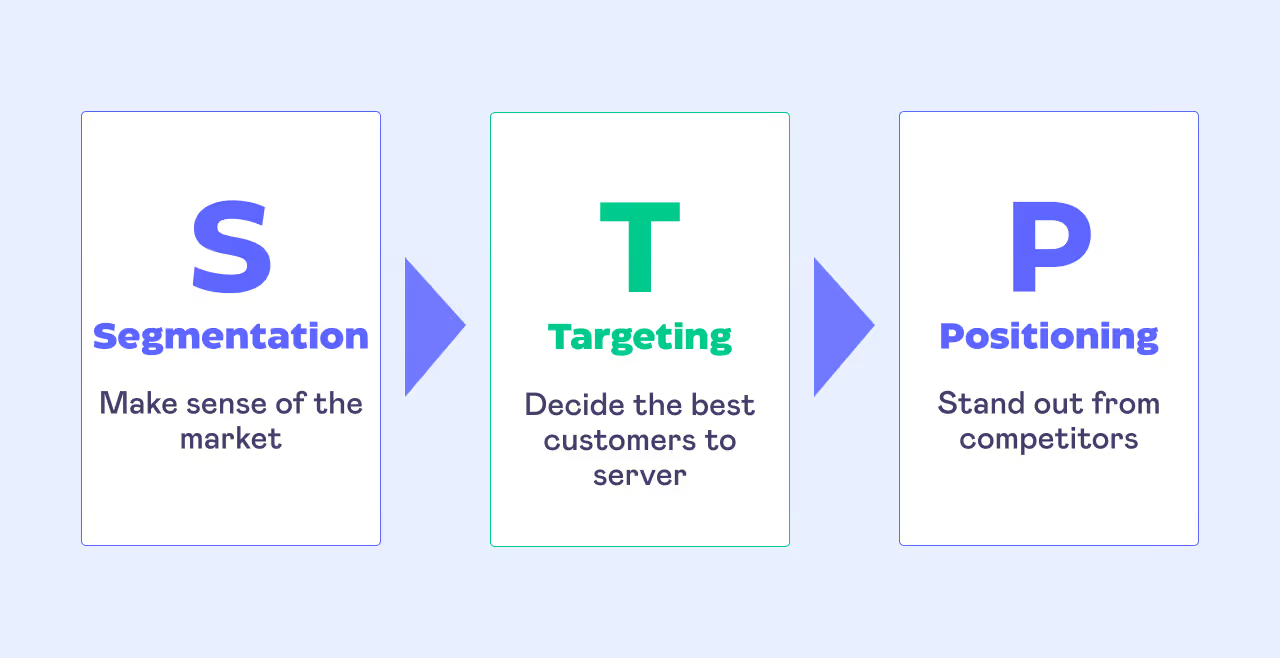
All three elements play a vital role in helping businesses identify and reach customers optimally. When understood and applied correctly, the STP strategy can make a significant difference in building long-term customer relationships, optimizing marketing resources, and creating a sustainable competitive advantage.
The elements of STP
The STP strategy consists of three main components, each playing a crucial role in building an effective marketing plan. Let's explore each step of STP in detail to see how these elements connect:
Segmentation
Market segmentation is the first step in the STP strategy, where a business divides a large market into smaller groups of customers with similar characteristics, needs, and purchasing behaviors. Segmentation helps businesses gain a deeper understanding of each audience group, allowing for more precise outreach strategies. There are many ways to segment a market, but they are typically categorized by the following criteria:
- Geographic: Segmenting based on location, such as country, region, city, or even neighborhood.
- Demographic: Based on age, gender, income, occupation, and education level.
- Psychographics: Segmented by lifestyle, values, and personal outlook.
- Behavioral: Based on shopping habits, brand loyalty, or customer attitudes toward the product.

Targeting
After segmenting the market, the next step is to select the target audience you will focus your marketing efforts on. This is a critical strategic decision, as you cannot reach everyone. You need to choose one or more groups with significant needs and growth potential that align with your product. Targeting strategies include:
- Mass marketing: Reaching all customer groups in the market without differentiation.
- Segmented marketing: Targeting a specific customer group with tailored marketing strategies.
- Individual marketing: Focusing on the needs of each individual customer, suitable for high-end or specialized products.

Identifying the right target audience not only helps save costs but also increases the effectiveness of marketing campaigns.
Positioning
Brand positioning is the process of building an image, identity, and product value in the minds of your target customers. The goal of positioning is to create a clear differentiation that makes your product stand out from competitors. Successful positioning makes your brand easier to remember and trust. Positioning strategies include:
- Benefit-based positioning: Emphasizing the benefits that the product provides to the customer.
- Product attribute positioning: Create distinction through unique product features.
- Brand value positioning: Shape the brand image through the values it represents.

A strong positioning strategy helps customers not only remember the brand but also build a lasting connection with the product, fostering high loyalty.
How to build an effective STP marketing strategy
Implementing an STP strategy is not overly complex, but it does require finesse and sharp market analysis skills. To build an effective STP marketing strategy, you need to follow these specific steps. Each step will help you gain a deeper understanding of your customers and the market, and show you how to create a clear competitive advantage for your brand.
Step 1: Market research
Before you begin building your STP strategy, market research is a crucial step to ensure you have a clear and deep understanding of the market, your customers, and your competitors. Market research will help you gather the necessary information to make informed decisions in the subsequent steps of the STP process.
1. Identify market needs and trends
First, you need to grasp current industry trends and the actual needs of your customers. This can be done through surveys, interviews, or online market analysis tools. Understanding customer needs helps you analyze and create products or services that truly meet their expectations.
- Market needs: How can your product satisfy unmet needs or improve upon existing ones?
- Market trends: What trends are currently driving the market? How might shifts in consumer behavior, technology, or economic factors influence customer choices?

2. Competitor analysis
Understanding your competitors is a crucial part of market research. You need to identify the key players in the industry and analyze their products, services, marketing strategies, and business models. This helps you uncover their strengths and weaknesses, allowing you to find opportunities to differentiate your own offerings.
- Competitors: Who are the main competitors in the market? What are they doing to attract customers?
- Competitive Advantage: What are your competitors' strengths? How can you learn from them and improve upon their approach?
3. Analyze customer data
Use tools like Google Analytics, online surveys, or social listening platforms to analyze customer behavior, habits, and preferences. Collecting and analyzing this data helps you build a clear picture of your target audience.
- Demographic data: What are the age groups, genders, and occupations of your customers? Where do they live, and what is their income level?
- Behavioral data: How do they shop? How often do they make purchases, and what motivates them to buy?
Step 2: Market Segmentation
Market segmentation is a foundational step in the STP strategy. The goal is to divide a broad market into smaller groups of customers with similar needs, characteristics, and buying behaviors. Segmentation allows you to focus on specific customer groups rather than trying to reach everyone.

- Segment based on relevant criteria: Depending on your product and marketing goals, you can segment the market based on factors such as geography, demographics, consumer behavior, or psychographics.
- Ensure feasibility: Each segment must be large enough to provide value to the business and be effectively reachable. Choose segments where you can implement your marketing strategy most effectively while remaining cost-efficient.
Example: A fashion company might segment its market by age and income: a younger demographic (18-25) interested in trendy fashion, and a middle-aged demographic (35-50) looking for sophisticated, elegant apparel.
Step 3: Targeting
After segmenting the market, you need to select the target customer groups that your business will focus on. This is a critical step, as choosing the wrong audience will render all your marketing efforts futile. To select the right target audience, you need to consider factors such as:
- Accessibility: Can this customer group be easily reached through your current media channels?
- Profit potential: Is this customer group capable of generating stable and long-term revenue for the business?
- Product fit: Does your product meet the needs of the target customer group?

There are three basic targeting strategies you can apply:
- Mass Marketing: Using a single marketing strategy for all market segments, suitable for common products.
- Segmented Marketing: Focusing on one or a few market segments with distinct needs, suitable for specialized products.
- Micromarketing: Developing specific marketing strategies tailored to individual customers or micro-segments.
Example: A mobile phone manufacturer might target groups such as students, office workers, or tech enthusiasts, and build a unique marketing strategy for each group.
Step 4: Positioning
Brand positioning is the final step in the STP strategy, where you create an image of your product in the minds of your target customers. The goal of positioning is to make your product stand out among countless competitors, thereby helping customers easily recognize and choose your product. To position your brand effectively, you need to:
- Define your core values: Clarify what your product offers customers, such as quality, superior features, emotional value, or convenience.
- Analyze your competitors: Identify your competitors' strengths and weaknesses and determine how to make your product stand out. This will serve as the foundation for positioning your product correctly.
- Assert your uniqueness: Identify the factors that differentiate your product from your competitors. These could include product quality, pricing, customer service, or user experience.

Example: If you are a company that manufactures athletic shoes, you might position your product as "Professional athletic footwear for athletes," focusing on quality, technology, and comfort, rather than positioning it as a low-cost option for everyone.
Building an effective STP marketing strategy is no easy task, but by correctly following the steps of segmentation, targeting, and positioning, you will create a powerful marketing strategy that makes it easier to reach your customers.
5 Benefits of an STP Marketing Strategy
Applying an STP (Segmentation - Targeting - Positioning) strategy offers many significant benefits, helping businesses not only optimize their marketing strategies but also improve overall business performance. Here are the key benefits that an STP strategy can provide:
1. Focus on specific customer segments
One of the greatest benefits of an STP strategy is its ability to help businesses focus on specific customer groups rather than trying to serve everyone. When you clearly segment the market, it becomes easier to identify groups of customers with similar needs, characteristics, and consumer behaviors.
Example: Instead of running ads for everyone, a clothing store can focus on female customers aged 20-35 who love office fashion and have a middle-class income.
2. Strengthen the connection between products and customer needs
When you apply an STP strategy correctly, your product is positioned more accurately, thereby meeting the actual needs of your customers. This creates a strong link between the product and the values customers are seeking. Customers will feel that your product was designed specifically for them, which increases satisfaction and loyalty.
Example: A car manufacturer might position one of its vehicle lines as the ideal choice for young families, emphasizing safety, spaciousness, and a reasonable price.
3. Improve marketing cost-efficiency
STP helps businesses save on marketing costs by focusing promotional campaigns on potential customer groups rather than wasting resources on irrelevant audiences. Targeting the right audience helps businesses optimize their budget and increase conversion rates.
Example: A company specializing in sports equipment might run ads exclusively on social media platforms for sports enthusiasts instead of advertising on TV or mass-market channels.
4. Create differentiation and increase competitiveness
By clearly defining market segments and product positioning, the STP strategy helps businesses differentiate themselves from competitors. Customers can easily recognize the value your brand provides, thereby increasing competitiveness and capturing market share more effectively.
Example: Apple has applied the STP strategy very effectively by positioning its products as premium offerings with groundbreaking design and superior user experience. This has helped Apple create a strong point of difference and maintain a competitive advantage.
5. Strengthen customer relationships
When you apply an STP strategy, you gain a deeper understanding of your customers and their needs. This allows you to build appropriate communication strategies and provide practical value, thereby enhancing customer loyalty and engagement. A sophisticated marketing strategy aimed at the right audience makes customers feel that your brand understands and cares about them.
Example: A cosmetics brand can send personalized emails featuring skincare products tailored to each customer's specific skin type, helping to strengthen relationships and retain customers in the long term.
Conclusion
The STP Marketing strategy (Segmentation, Targeting, Positioning) is not only an essential tool but also a decisive factor in helping businesses stay on the right track in reaching customers and developing their brand. By segmenting the market, identifying target customer groups, and positioning your brand accurately, you not only save resources but also increase your competitiveness in a rapidly changing market.
Above all, STP Marketing helps you better understand customer needs and desires, allowing you to create products and services that not only satisfy but exceed their expectations. This leads to long-term customer loyalty and elevates your brand's position in their minds.