Even though you have invested significant time and effort into SEO optimization, organic traffic still shows no signs of growth? Don't worry, you are not alone in this journey, as this is a common issue faced by many websites. Let's explore the 5 main reasons why your traffic isn't growing with Markdao, along with effective solutions to help you overcome these challenges and drive sustainable growth for your website.
What is organic traffic?
Organic traffic is a term used to describe natural visits to a website via search engines like Google, Bing, or Yahoo without paying for advertisements. Unlike traffic from paid advertising campaigns, organic traffic is generated when users click on search results that are not labeled as "Ad."
Organic traffic plays a crucial role in the sustainable development of a website for the following reasons:
- Low cost, long-term effectiveness: Once your website achieves high rankings in organic search results, you will receive a steady stream of traffic without the need for a continuous advertising budget.
- Sustainability: Organic traffic does not depend on advertising budgets. Once you build quality content and implement effective SEO, your website can maintain traffic over a long period.
- Increased credibility and trust: Users generally trust organic search results more than advertisements, which helps increase conversion rates and build brand trust.

Why isn't traffic increasing despite SEO optimization?
Although many websites have invested significantly in SEO, the results often fall short of expectations. Organic traffic not increasing, or even declining, rendering all efforts ineffective. So, what is the cause?
Some common issues:
- Choosing the wrong keywords or failing to properly optimize for user search intent.
- Low-quality or unengaging content.
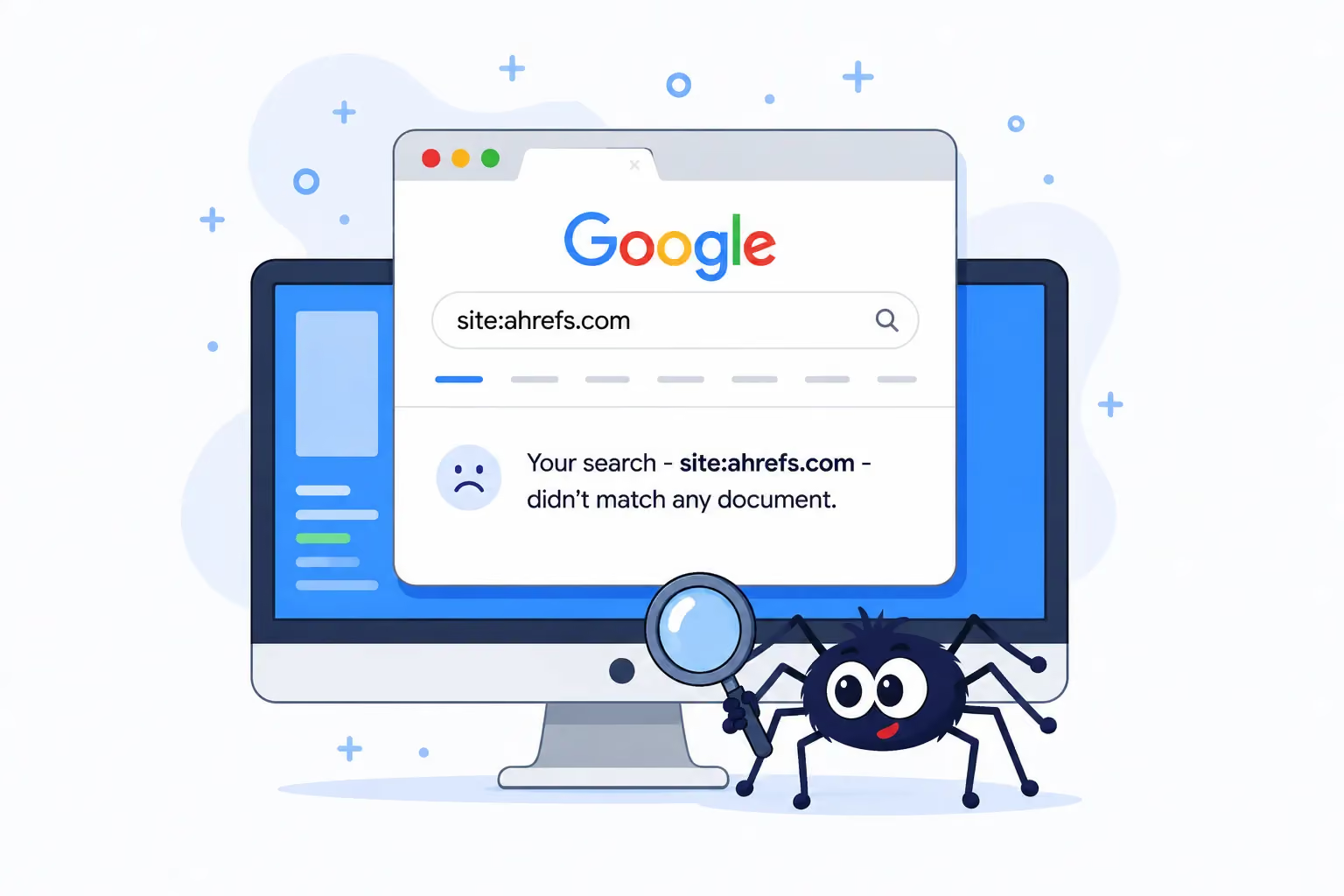
- Technical SEO errors that hinder Google's ability to crawl and index your site.
- Lack of quality backlinks to boost website authority.
- Failing to keep up with Google's latest algorithm updates.
Let's dive into the 5 main reasons why Organic traffic is not increasing in the following sections to find effective solutions.
Reason 1: Choosing the wrong or irrelevant keywords
Explaining the error
One of the top reasons why Organic traffic fails to grow is selecting keywords that are incorrect or misaligned with your content and user search needs:
Focusing on keywords with low search volume or excessive competition
- Some websites choose keywords that lack sufficient search volume to drive significant traffic.
- Conversely, targeting keywords with extremely high competition, especially when the website is new or lacks high authority, makes it difficult to achieve top rankings.
Choosing keywords that do not match search intent
The selected keywords may not align with the user's search purpose, leading to high bounce rates and no improvement in Organic traffic.

Solutions
To address this issue, you need a thorough strategy for researching and selecting keywords:
- Use effective keyword research tools: Tools like Google Keyword Planner, Ahrefs, and SEMrush will help you identify keywords with high search volume, reasonable competition, and relevance to your business field.
- Focus on long-tail keywords: Long-tail keywords typically have lower competition and clearly reflect user intent, which helps increase conversion rates.
- Choose keywords directly related to your products or services: Ensure that your keywords accurately reflect the page content and address the user's search intent.
Illustrative example
Suppose you are in the online education business:
If you only target the keyword "online courses" (high competition, non-specific), it will be difficult to achieve high rankings and increase organic traffic.
→ Instead, use longer keywords such as “online courses for working professionals” or “learn soft skills onlinewill help you reach the right target audience and increase your ability to attract organic traffic.
Reason 2: Content does not meet search intent
Explaining the error
One of the reasons why Organic traffic does not increase is that the content on the website does not meet the user's search intent. This often happens when:
Content does not address the user's actual needs
Users are searching for a specific issue, but the content is rambling and fails to provide a direct answer or useful information.
The article lacks depth, is unhelpful, or is not unique
- The content is generic and lacks fresh value, leaving readers unable to find any difference between your website and your competitors.
- A lack of engaging elements like real-world data, illustrative images, or supporting videos diminishes the user experience.
Solutions
To attract and retain readers while improving Organic traffic, you need to optimize your content based on search intent:
Identify and optimize for each type of search intent:
- Informational: Provide clear, detailed knowledge through how-to guides, direct answers, and lists of helpful tips.
- Transactional: Create high-conversion content such as product reviews, comparisons, offers, or purchasing guides.
- Navigational: Direct users to the specific content they are looking for, such as service information or an about page.
- Commercial: Create content aimed at users researching products or services before making a purchase decision. Examples include reviews, price comparisons, and product features.

Create high-quality, well-structured content:
- Use logical headings and subheadings to make information easy for readers to grasp.
- Incorporate factual data, charts, or research to increase persuasiveness.
- Add illustrative images and videos to improve the user experience.
Illustrative example
Suppose a user searches for "how to increase organic traffic":
If the article only lists some general tips like “keyword optimization” or “write engaging contentwithout explaining how to do it, readers will leave immediately.
→ Instead, a detailed article with step-by-step instructions, specific examples, and illustrative images will keep users engaged, increase time on page, and improve SEO rankings.
Reason 3: The website has technical issues (Technical SEO)
Explaining the error
Technical issues on a website are a common reason why Organic traffic does not increase, even when content has been optimized. Some common errors include:
Slow page load speed
Poor page load speed not only degrades the user experience but also directly affects search engine rankings. Users often leave a website if it takes more than 3 seconds to load, leading to a high bounce rate.
Website is not optimized for mobile devices (mobile-friendly)
- With the increasing trend of mobile device usage, a website that does not display well on phones or tablets will lose a large number of potential users.
- Search engines like Google also prioritize mobile-friendly websites when ranking.
Poor website structure, non-SEO-friendly URLs
- A website with a cluttered structure and a lack of logical internal linking will make it difficult for search engines to index it.
- Long URLs that contain unnecessary characters or do not describe the page content also reduce ranking potential.

Solutions
To fix technical issues, the following steps should be taken:
Check and improve page load speed
Use tools like Google PageSpeed Insights or GTmetrix to analyze and optimize speed.
Some ways to improve include:
- Compress images and use modern image formats (such as WebP).
- Optimize HTML, CSS, and JavaScript code.
- Use a Content Delivery Network (CDN) to increase loading speed.
Ensure the website is compatible with all devices and browsers
- Apply responsive design so the website displays well on both desktop and mobile devices.
- Test website compatibility with popular browsers like Chrome, Firefox, and Safari.
Optimize website structure and URLs
- Create an XML sitemap and a robots.txt file to guide search engines in indexing effectively.
- Ensure URLs are concise, easy to read, and contain relevant keywords.
- Build a logical internal linking structure to help users and search bots navigate the site easily.
Illustrative example
Suppose an e-commerce website notices organic traffic dropping sharply:
Poor page loading speed due to images that are too large and not properly compressed. Additionally, the website is not mobile-friendly, which degrades the user experience.
→ Compress all images using TinyPNG, convert image formats to WebP, and implement responsive design to improve the mobile experience.
Reason 4: Missing or poor quality backlink building
Explanation of the error
A lack of backlinks from reputable websites or building links from untrustworthy sources can lower your authority and Organic traffic for your website.
Lack of links from reputable websites
Backlinks from high-quality websites help increase credibility and rankings. Lacking them will limit your ranking potential.
Building backlinks from untrustworthy sources
Using low-quality backlinks from irrelevant websites can harm your site and lead to Google penalties.
Solutions
Create high-quality, engaging content to naturally attract backlinks
Valuable, useful, and highly shareable content will automatically attract backlinks from other websites. Articles should include detailed information, research, data, or advice that users can utilize and share.
Reach out and collaborate with relevant blogs and websites to build links
- Invite blogs or websites in your industry to exchange backlinks or contribute high-quality articles (guest posting).
- Connect with industry experts and ask them to cite or link to your content if they find it useful.

Illustrative example
A website that “shares SEO tips” has not yet received many backlinks from reputable websites. The solution is to improve content quality and collaborate with sites in the same field, thereby attracting strong backlinks and improving organic traffic.
Reason 5: Not keeping up with new SEO trends
Explain the errors
Applying outdated SEO techniques
Using methods like keyword stuffing or unnatural link building can hinder SEO performance, as these techniques are outdated and no longer effective with Google's new algorithms.
Failing to optimize for new factors
Ignoring new factors such as voice search and improved user experience can cause a website to fall short of the requirements set by modern search engines.

Solutions
Monitor Google algorithm updates
Stay updated on algorithms like Core Web Vitals and E-E-A-T to ensure your website complies with Google's latest ranking factors.
Focus on improving user experience (UX)
Enhance user experience, optimize page load speeds, design intuitive interfaces, and focus on content interactivity to keep users on your site longer.
Conclusion
SEO is not a "magic wand" that delivers instant results, but if you haven't seen improvements in organic traffic, you might be overlooking critical factors. Re-evaluate your keywords, optimize user experience, improve page load speeds, and build quality backlinks. Never stop learning and experimenting to apply the latest SEO strategies. With the right adjustments, organic traffic will no longer be "stagnant."