


Every year brings significant changes and new developments, and the design industry is no exception, particularly regarding trends in digital web and mobile experiences. While it is uncertain which of these trends will be widely adopted, we can highlight several promising candidates with the potential to become future "hot trends."
Which design trends are poised to explode in the near future?
Recent advancements in voice technology are actively reshaping how users interact with digital products. Additionally, notable visual trends include full-screen interactions, dark mode, 3D, and hyper-realistic graphics. Fingerprint biometric technology is also being increasingly applied to enhance security for mobile users.
The visual web browsing experience is being enhanced with a series of highly creative refinements
- Motion Graphics: A design trend with a dynamic spirit
Animations bring dynamism to user interfaces and are expected to remain effective for years to come. In today's era, we are exposed to more information than ever and have little patience for outdated, text-heavy articles lacking relevant imagery. People are more drawn to content that incorporates animations because it is engaging and far less monotonous. Consequently, these design techniques transform data into more accessible content and make user interfaces feel more intuitive.
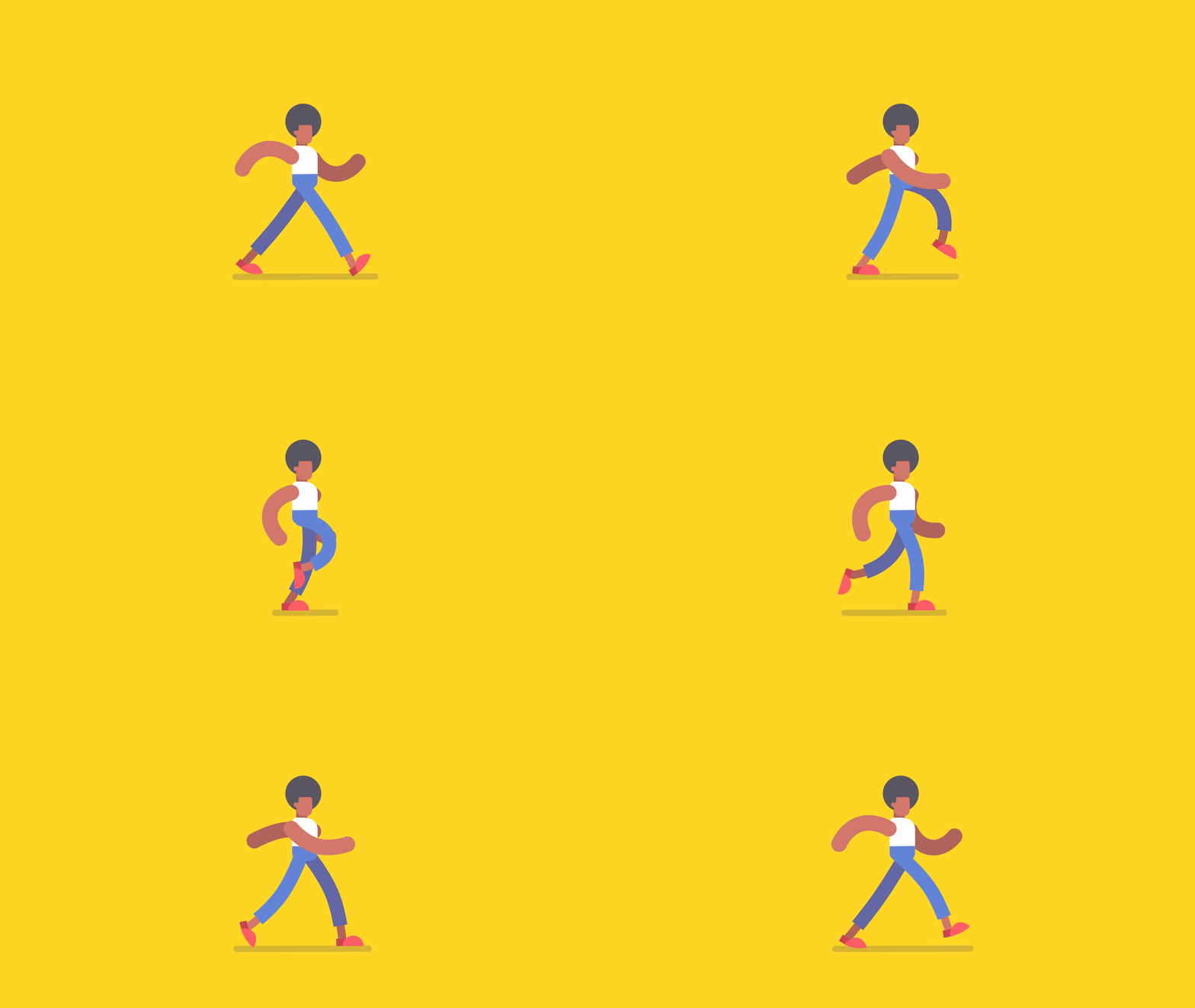
Therefore, we can expect a rise in websites featuring animations and high interactivity on mobile devices. Motion graphics in apps and websites will impress users with their "intelligence," as they react to user interactions and provide better navigation.
Motion graphics will transform the user experience by:
- Drawing attention to what should be done or what will happen next
- Creating smoother and more visually pleasing transitions
- Providing aesthetic variety
- Offering the best guidance through complex activities
- Confirming user actions during navigation
- Hyper-realistic textures: So lifelike you want to reach out and touch them
Users are no longer interested in web and mobile app designs that rely on pixelated graphics. Today, people crave something authentic, vivid, and even "raw but real." It is therefore no surprise that interface designs featuring realistic textures are becoming a major trend. We will see them appearing on many websites, mobile UI elements, and other digital platforms.

Back in 2020, flat design dominated the industry. But today, vector designs are stepping back to make room for more realistic, textured designs.
- Full-screen displays: Doubling the vibrancy of the interface
New designs for modern mobile devices may surprise us with highly immersive full-screen performance. Year after year, screen sizes continue to expand, even as user attention spans grow shorter.
The only way to increase user dwell time and improve bounce rates is to create a visually stunning interface, and full-screen mode is currently excelling at this. We often look at the top notification bar on a device, which can be a distraction, but this is now being addressed by the full-screen trend. This trend will open up a whole new world of digital interaction, free from distractions and overcoming many previous limitations.
- Dark mode: When the mystery of the night takes center stage
Mystery has always held a powerful allure for people, which is why dark mode has become a major trend in UX/UI design over the past few years. UI with a dark background is considered elegant and sophisticated while still maintaining a distinct style. It brings an appealing and captivating quality to many digital products.
Feedback on this mode is quite varied. Some users find that using a dark background helps them stay less distracted compared to light mode designs. Meanwhile, others say that dark mode helps reduce eye strain and provides aesthetic satisfaction. This mode also helps extend battery life on devices, improves accessibility, and easily hides dead pixels.
- Hyper-realistic 3D elements: A trend inspired by VR technology
Many businesses are already incorporating AR and VR technology into their user experiences. This has inspired the next generation of UI design: hyper-realistic 3D elements. This technology almost erases the boundary between the digital world and reality. 3D design makes user experiences more engaging and immersive than ever before. A great example is the 360-degree view, which allows users to see panoramas and gain a more comprehensive look at a space or a process.
Voice interface improvements: Bigger and better than ever!
Users are increasingly bored with standard touchscreens. They want add-ons that allow them to control devices with their voices. The opportunity to interact with digital experiences through voice commands opens up a new perspective on the relationship between product users and daily activities, making things much more convenient and natural. Voice-controlled interfaces are a fantastic shift in UX design.
Voice technology brings us many conveniences, but that doesn't mean it makes us feel secure. On the contrary, it forces us to abandon our old habits of using digital products and experience something entirely new. Initial difficulties are inevitable. That is not to mention issues with pronunciation, language, and more.
Biometrics: Safer and helping us enter the "passwordless" era
We are all living in a world where cyberattacks happen every minute. They cause many negative impacts on real life, such as bank account hacks, corporate data leaks, and the illegal use of customer information. Cybersecurity is becoming more important than ever.
As one of the most effective security technologies to date, biometrics allows users to better protect their data and electronic devices. Although fingerprints, facial recognition, and voice recognition are not new inventions, they remain popular in UX design and promise to continue developing strongly in the future.
We hope that the trends we have listed above will inspire your upcoming digital products. Trends are just that, but whether their application is successful still depends largely on your calculations and creativity, based on an understanding of user behavior.