In today's SEO landscape, website optimization goes far beyond traditional keyword usage. A crucial factor that is increasingly dominating the field is Entity SEO. But what exactly is an Entity, and why does it have such a powerful impact on a website's search rankings?
This article will explain the concept of Entities in SEO, their importance in improving visibility on Google, and the steps to implement an effective Entity SEO strategy. Join Markdao as we explore and apply this strategy to boost your website optimization performance!
What is an Entity?
An Entity in SEO is a key concept that many SEO practitioners may not fully grasp yet.
Essentially, an Entity is any specific object or concept that Google and search engines recognize and categorize. Entities can be people, places, organizations, events, or any distinct object that can be clearly defined.

For example, "Apple" can be an Entity, but it represents more than just a keyword; it is an entity with associated information such as the company, products (iPhone, MacBook), locations (Apple stores), and other data.
Entities help search engines like Google understand the context and relationships between objects in the real world. This goes beyond merely identifying keywords, helping to create a complex map of information regarding the subjects within an article, website, or industry.
Why are Entities important in SEO?
In modern SEO, optimization based on Entities is becoming increasingly vital. Previously, SEO relied primarily on keywords to define content, but with the development of algorithms such as RankBrain, BERT and Hummingbird, Google has shifted toward a deeper understanding of content semantics and context. This means that search engines no longer just look for keywords, but must also understand the Entity mentioned within the content.
When Google identifies an Entity, it doesn't simply define it as a keyword; it also determines that Entity's relationship with other objects on the internet. For example, when an article mentions "Tesla," Google understands not just that you are using a keyword, but that you are referring to a company, a car brand, and even a founder like Elon Musk.
This is precisely why Entity SEO helps optimize websites more effectively in an increasingly complex search environment. It helps Google "understand" your website better, thereby improving your ranking potential and increasing your visibility to users searching for relevant content.
5 Google Entity ranking factors
Google ranks Entities based on several key factors that SEO professionals need to pay attention to when implementing an Entity SEO strategy. Below are some of the important factors that influence Entity ranking:
1. Quality and reliability of information: Google always prioritizes highly reliable and accurate sources of information. Therefore, for your Entity to rank highly, you need to ensure that all information related to that Entity is accurate, up-to-date, and derived from reputable sources.
2. Relationships between Entities: Another important factor is how Google determines the relationships between Entities. If your Entity has clear and strong connections to other Entities, it helps Google understand the context and improves your ranking potential.
3. Entity presence across different platforms: Google also considers the popularity and presence of an Entity across various platforms, including websites, social media, and other online services. An Entity present on multiple reputable platforms will help boost its recognition and improve its ranking.
4. Use of Schema Markup: Schema Markup helps Google better understand your Entity. Using structured data allows Google to quickly identify information about an Entity (such as organizations, events, or products). This makes it easier for Google to categorize and rank your Entity in search results.
5. Relevance to search queries: A key factor in ranking an Entity is the extent to which information about your Entity matches user search queries. Google analyzes these queries to determine whether your Entity accurately and fully meets the user's search requirements.
With the evolution of technology and search algorithms, Entities have become an indispensable part of modern SEO strategy. Understanding Entities and optimizing according to these principles will not only help improve your website's rankings but also provide a better experience for your users.
6 steps to implement effective Entity SEO
To implement Entity SEO effectively, you need to follow a series of strategic steps to ensure Google understands and ranks your website better. Below are the specific steps to implement Entity SEO in a systematic and effective way.
1. Identify Entities related to your content
The first step in implementing Entity SEO is to identify the Entities directly related to your website's content. These Entities can be brand names, products, services, locations, public figures, organizations, or other specific concepts. You need to clearly understand your niche and audience to select the most important and relevant Entities.

- Analyze your niche: Identify the key concepts, brand names, products, or services you are targeting.
- Use search engines: Search on Google and analyze the results related to popular Entities in your field.
- Explore the Google Knowledge Graph: Use the Google Knowledge Graph to identify Entities related to your topic. This is a useful tool to help you find Entities that are connected to one another.
2. Create content related to Entities
After identifying the important Entities, the next step is to create quality content centered around these Entities. Content should not only contain keywords but also mention Entities in a natural, comprehensive, and accurate way. The goal is to help Google recognize the relationship between the Entities and your content.
- Include Entities in titles and descriptions: Ensure that Entities are clearly mentioned in the titles and descriptions of your web pages or articles.
- Share detailed information about Entities: Provide complete and accurate information about Entities within your content. For example, if you are writing about "Apple," mention Apple's products, company history, notable achievements, and relationships with other Entities (such as iPhone or MacBook).
- Optimize content for readers: Write content that is easy to understand, engaging, and provides real value to readers, rather than just optimizing for search engines.
3. Use Schema Markup
Schema Markup is a crucial tool in Entity SEO that helps Google better understand your entities and the relationships between them. As a form of structured data, Schema allows you to describe entities and their attributes in detail, making it easier for Google to analyze and rank your content.
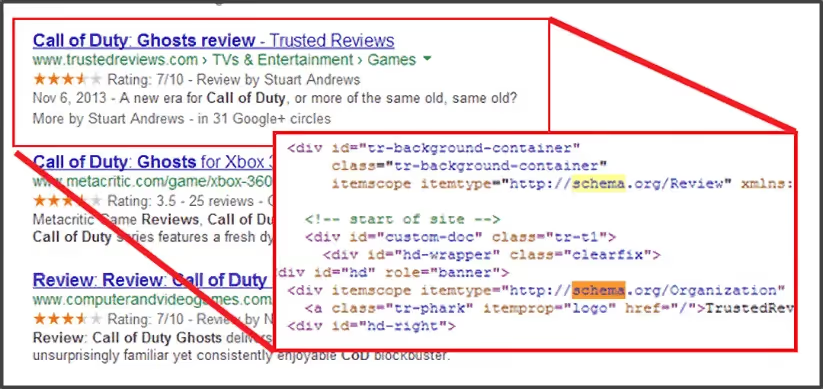
- Choose the right Schema type: Depending on the entity you are optimizing, use the appropriate Schema such as Organization, Product, Person, Event, or CreativeWork.
- Ensure Schema accuracy: Schema data must be complete and accurate. For example, if you are optimizing for a product, ensure that attributes like product name, price, reviews, and description are fully populated in the Schema.
- Use a Schema testing tool: Use Google's Rich Results Test tool to verify and ensure your Schema is implemented correctly.
4. Optimize Internal Linking
Internal linking helps Google recognize the connections between entities on your website. Linking related pages not only improves user navigation but also helps search engines better understand the relationships between your entities.
- Link entities within your content: When writing about a specific entity, create internal links to other pages related to that entity. For example, if you are writing about an Apple product, you could link to your iPhone or MacBook pages.
- Create a clear linking structure: Build a logical internal linking structure that helps users and search engines easily navigate and understand the relationships between your entities.

5. Ensure consistency of entity information
Consistency of entity information across various platforms and data sources is vital. Google pays close attention to whether your entity information is uniform and accurate across different websites.
- Ensure accurate information across platforms: Update and synchronize your entity information across platforms such as Google Business Profile, social media, Wikipedia, and review sites.
- Handling inaccurate information: If your information is inconsistent or duplicated across different platforms, it must be corrected and cleaned up to avoid confusing search engines and users.
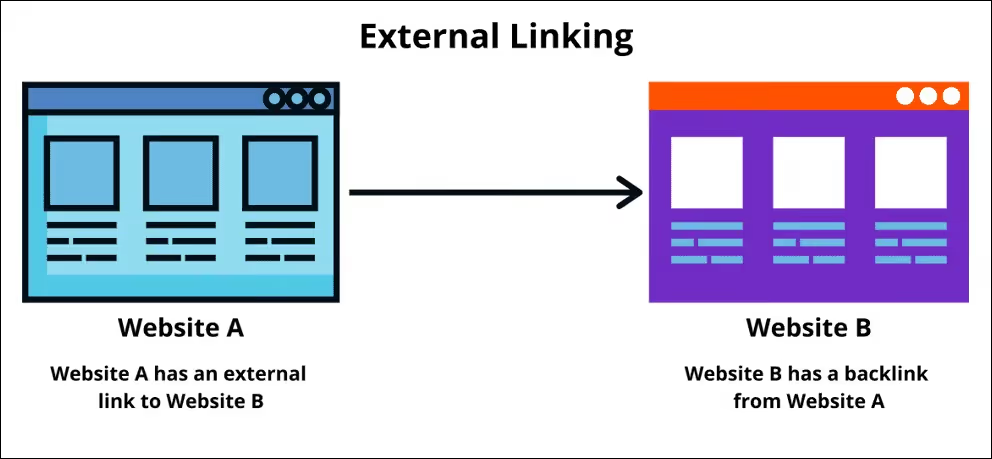
6. External Linking
Links from other websites to your Entity help strengthen its credibility and recognition in the eyes of Google. Links from reputable, relevant sources will help improve the Entity's search engine rankings.
- Build a quality backlink strategy: Ensure that links from other websites come from reputable and relevant sources.
- Share information about the Entity on other platforms: Post information about your Entity on blogs, forums, or relevant websites to generate backlinks.
Implementing Entity SEO is a powerful strategy to optimize your website and enhance its visibility on search engines. By following a structured approach to Entity SEO, you not only help Google better understand the entities on your website but also improve your rankings and online presence.
Which websites need entities?
Entities are a crucial factor in SEO, and almost any website can benefit from implementing Entity SEO. However, certain types of websites have a greater need and can maximize the benefits. Below are some examples of websites that require Entities:
- Business websites: Business websites need Entity SEO so that Google can accurately identify and rank their brand name, products, and services, thereby increasing their visibility in search results.
- E-commerce websites: Online retail websites need to optimize Entities for each product, brand, and product attribute, which helps improve visibility in search and rich results.
- News and blog websites: News and blog websites need Entity SEO to help Google better understand events, people, and topics, improving rankings and the display of rich snippets.
- Educational and training websites: Educational institutions need Entity SEO to optimize information about courses, instructors, and academic programs, helping them appear in education-related search results.
- Travel and location websites: Travel websites need Entity SEO so that Google can recognize attractions, hotels, and tours, improving their visibility in both local and international search results.
- Entertainment and event websites: Entertainment websites require Entity SEO to help Google identify and rank events, artists, movies, or sports matches, increasing their visibility in search results.
- Medical and health websites: Medical websites need Entity SEO so that Google clearly understands medical conditions, treatments, doctors, and hospitals, improving rankings for healthcare-related searches.
- Service websites: Websites offering services such as consulting, repairs, or design need Entity SEO to build clear connections between their services and search keywords, improving search result rankings.
Conclusion
Entity SEO is a powerful and indispensable strategy for website optimization. By helping Google clearly identify entities and the relationships between them, Entity SEO not only improves search rankings but also provides opportunities to appear in rich snippets, enhancing visibility and creating long-term value for the website.
Depending on the industry, implementing Entity SEO will help business, e-commerce, news, education, travel, medical, entertainment, and service websites grow more robustly, reach the right target audience, and enhance their online presence.