In the world of SEO, one of the key factors that helps your website climb to the top of search results is a Link Buildingstrategy. However, not everyone fully understands what Link Building is and why it is so important. Link Building is not just about creating links from other websites; it is also a way to enhance the credibility and presence of your website in the eyes of search engines.
In this article, Markdao will explore the details of Link Building with you, along with effective link-building strategies to help your website achieve higher rankings, attract quality traffic, and grow sustainably.
What is Link Building?
Link Building is the process of creating backlinks from other websites that point to your own. This is a crucial SEO (Search Engine Optimization) strategy aimed at improving a website's ranking on search engines like Google. These links help search engines understand that your website is valuable and credible, thereby improving its visibility in search results.
Simply put, Link Building is like building relationships between websites. When reputable sites link to yours, it serves as a signal that your content is trustworthy and useful to users.
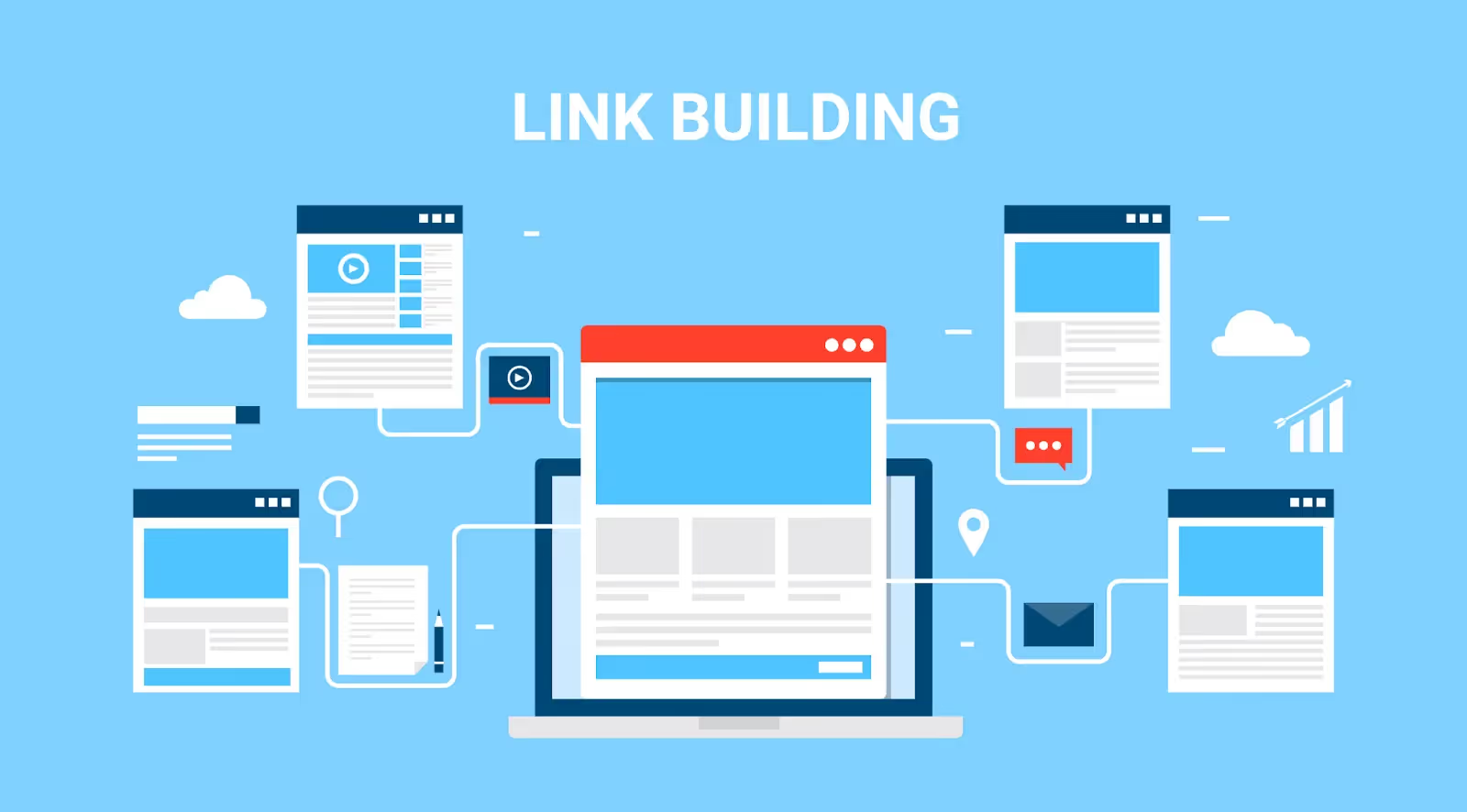
Types of links in Link Building:
1. Internal Links: Links between pages within the same website, which help improve navigation and optimize SEO.
2. External Links: Links from other websites pointing to your site. This is the primary element of Link Building because it demonstrates that your website is highly regarded by reputable external sources.
Link Building not only helps boost search rankings but can also attract organic traffic and increase your website's credibility in the eyes of both customers and search engines.
Why is Link Building important?
Link Building is an essential part of any SEO strategy, playing a critical role in improving a website's search engine rankings. Here are the main reasons why Link Building is so important:

1. Improving search engine rankings
Search engines like Google use backlinks (links from other websites) to evaluate a website's authority. A site with many links from high-quality sources is considered more valuable and trustworthy. This helps your website rank higher in search results, increasing your visibility to potential customers.
2. Enhancing credibility and authority
When reputable websites link to yours, it signals to both search engines and users that you provide high-quality content. This not only boosts your rankings but also strengthens customer trust in your brand. Quality links help build a professional image in the eyes of both users and search engines.
3. Increasing organic traffic
An effective Link Building strategy helps your website reach more users through referral sources. When readers see your links on other sites, they are likely to click through to your website, generating high-quality organic traffic. This not only increases visitor numbers but also improves conversion rates.
4. Improving website navigation
Links are not just for SEO; they also help users easily find content on your site. Internal links, for example, help users and search engines navigate through related pages, creating a better user experience and helping to reduce bounce rates.
5. Creating opportunities for collaboration and networking
Link Building does more than just drive traffic; it opens doors to collaborations with other websites and brands. Building links from reputable sources helps you establish lasting relationships and increases your presence within your industry.
6. Strengthening competitiveness
In today's competitive landscape, neglecting Link Building can leave your website behind. If your competitors are using effective Link Building strategies and you are not, they will have the opportunity to surpass you and capture higher positions in search results. Therefore, implementing Link Building helps you maintain your standing or get ahead of the competition.
In summary, Link Building not only improves SEO but also provides long-term benefits for your website's authority, traffic, and sustainable growth.
What are the different types of link building in SEO?
In SEO, Link Building can be categorized in various ways, depending on the methods and strategies used to build backlinks. Below are the most common types of Link Building :
1. Internal Linking
Internal links are links created between pages within the same website. While they may not be as effective as external links for improving SEO rankings, internal linking remains crucial for optimizing website structure, enhancing navigation, and supporting overall SEO efforts.

- Benefits: Helps users easily find related pages and reduces bounce rates. It also helps search engines better understand your website's structure and distribute PageRank more effectively.
- Example: Linking from one article to another on the same website, such as "Read more" or "Learn more" links.
2. External Linking
External links are links that point from your website to other websites. While these links do not directly boost your own site's rankings, linking to reputable sources helps enhance the credibility of your content in the eyes of search engines.
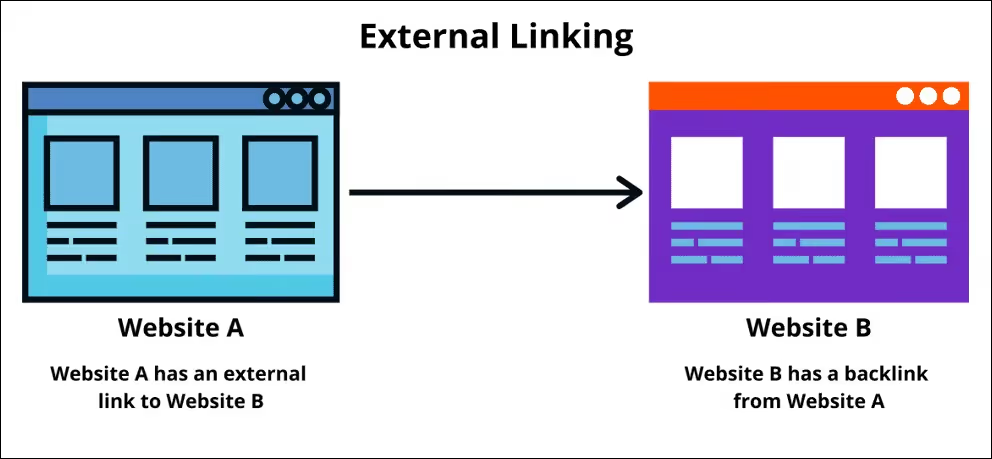
- Benefits: Establishes connections between high-quality content, provides additional information for users, and helps your website gain better recognition from Google.
- Example: Linking from your article to research, documentation, or articles on other reputable websites.
3. Backlinks
A backlink is a link from another website pointing to your own, and it is a crucial factor in improving your search engine rankings. These links help Google determine the authority of your website, as other sites are essentially "vouching" for your content.
- Benefits: Helps improve SEO rankings, increases traffic from external sources, and enhances website credibility.
- Example: A reputable blog writes an article on a related topic and links back to your website as a reference source.
4. Guest Posting
Guest posting is the practice of writing articles for other blogs or websites that include a link back to your own site. It is one of the most popular and effective link-building strategies.
- Benefits: Helps you build relationships with bloggers, boosts your website's authority, and increases traffic from other sites.
- Example: Writing an article for an industry-specific blog and including a link back to your page.
5. Broken Link Building
Broken link building is the strategy of finding broken (404) links on other websites and suggesting they be replaced with links from your own site. This method not only helps you build links but also assists website owners in fixing broken links on their pages.

- Benefits: Builds links from reputable sites while helping website owners fix errors.
- Example: You find a broken link on a website and suggest replacing it with a link to an article on your site.
6. Social Media Link Building
Social media is a potential source for building links and increasing traffic. Sharing your content on platforms like Facebook, Twitter, and LinkedIn helps boost brand awareness and can generate natural backlinks from people who share your posts.
- Benefits: Helps enhance your website's social media presence and can attract organic traffic from users.
- Example: Sharing posts in groups, forums, or on personal profiles so others can reference and reshare them.
7. Resource Link Building
Resource pages are websites or blogs that aggregate useful links within a specific niche. If you can get your content featured on these resources, your website will gain a valuable backlink.
- Benefits: Gain links from reputable sites that specialize in curating resources, which boosts your website's credibility.
- Example: Being listed in a "Best Marketing Blogs" or "Top Trusted Online Learning Websites" directory.
Each type of Link Building has a different purpose and method, but all play a crucial role in improving SEO rankings and website authority. When executed correctly, Link Building provides long-term benefits for your SEO strategy.
9 Effective Link Building Strategies
Effective Link Building strategies help strengthen your website's search engine presence and attract high-quality traffic. Below are some popular and effective Link Building strategies you can apply to improve your SEO rankings:
1. Guest Posting
Guest Posting is one of the most powerful Link Building strategies. You write articles for reputable blogs or websites in your industry and include links back to your own website within those posts.

- Benefits: Not only does it help you create quality backlinks, but it also helps build relationships with other bloggers and expands your industry network.
- How to do it: Find reputable blogs with similar content, contact the blog owners to propose a guest post, and ensure your article includes a link to your website.
2. Broken Link Building
This method involves finding broken (404) links on other websites and suggesting they be replaced with links from your own site. It is a win-win strategy, as you help the other website fix errors while simultaneously building a quality backlink for your site.
- Benefits: Beyond just creating backlinks, it helps you build relationships with other website owners.
- How to do it: Use tools like Ahrefs or Check My Links to find broken links on websites relevant to your content, then contact the site owners and suggest replacing them with a link to your article.
3. Content Link Building
This is a long-term but extremely effective strategy. Create high-quality, useful content that encourages others to naturally link to your page. These pieces can be guides, research, reports, infographics, or in-depth studies.
- Benefits: Generates natural backlinks and attracts long-term traffic.
- How to do it: Invest in high-quality content, especially on trending topics or subjects where comprehensive information is hard to find. Ensure your content provides value, helps readers solve problems, or offers useful information they cannot easily find elsewhere.
4. Influencer Outreach
Influencer Outreach involves collaborating with industry influencers to have them share links to your website. These influencers can be bloggers, YouTubers, reviewers, or well-known experts.
- Benefits: Helps you build links from authoritative sources and drive significant traffic from an influencer's followers.
- How to do it: Identify influencers in your niche, build relationships with them, and propose collaborations where they share links to your content.
5. Resource Link Building
This method involves creating useful resources such as document lists, guides, or online tools and publishing them on reputable industry resource pages. You then reach out to these sites to suggest they add your resource to their lists.

- Benefits: This is a way to build high-quality links from authoritative industry resource pages.
- How to do it: Create valuable resources and find relevant resource pages in your industry. Then, contact them and request that they add a link to your resource.
6. Skyscraper Technique
The Skyscraper Technique involves finding content that already ranks highly and improving upon it by creating a better, more detailed, and more engaging version. You then reach out to the sites that linked to the original content and ask them to link to your improved version instead.
- Benefits: Helps you create superior content and earn links from sources that previously linked to older content.
- How to do it: Find high-ranking articles in your industry and improve them by making your content more comprehensive, readable, and useful. Then, contact the websites that linked to the original article and suggest they replace the old link with a link to your article.
7. Social Media Link Building
Social media is a vital channel for building links and boosting your website's presence. While social media links do not directly impact SEO, they can help your website reach a large audience and create opportunities for natural backlinks.
- Benefits: Helps you increase brand awareness and generate natural backlinks.
- How to do it: Share your articles and content on social media platforms like Facebook, Twitter, and LinkedIn, and encourage users to share your posts. Build relationships with the online community and participate in relevant discussions.
8. Press Release Link Building
Press releases are an excellent tool for sharing information about events, new products, or special services. When you issue a high-quality press release, media outlets and relevant websites may share the information and link back to your site.
- Benefits: Generates widespread attention and builds links from reputable media sources.
- How to do it: Write a compelling press release and distribute it to news sites, blogs, and industry-specific platforms so they can publish your information and link to your website.
9. Collaborative Link Building
Collaborate with other websites or businesses in your industry to exchange links. This is a win-win strategy where both parties share links and benefit mutually.
- Benefits: Builds lasting partnerships and creates opportunities for link exchanges.
- How to do it: Find suitable partners in your industry and propose a reciprocal link-building collaboration between your websites.
These link-building strategies can provide long-term results if executed correctly. It is important to focus on the quality of links rather than quantity to ensure your link-building strategy remains sustainable and effective.
What are the common link-building mistakes?
When building links, there are several common mistakes that many people make. Below are the main pitfalls and how to fix them:
1. Focusing too much on quantity instead of quality
Mistake: Many people try to build as many links as possible without regard for the quality of the backlinks.
Solution: Focus on building links from reputable websites that are relevant to your industry. The quality of your links will do more to boost your Google rankings than the quantity.
2. Overusing keywords in anchor text
Mistake: Some people try to over-optimize anchor text by stuffing too many primary keywords into their links.
Solution: Use natural and diverse anchor text, including both keywords and related phrases. This helps you avoid being penalized by Google for keyword spamming.
3. Using "black hat" link building methods
Mistake: Using illegitimate or deceptive link building tactics, such as buying backlinks or participating in link farms.
Solution: Follow Google's guidelines and use legitimate tactics, including building links through high-quality content, collaborating with bloggers, and participating in reputable forums.
4. Neglecting internal linking
Mistake: Focusing only on off-page link building while forgetting to build internal links.
Solution: Optimize your internal links to help Google understand your website structure and improve navigation for your users.
5. Only seeking links from websites in the same niche
Mistake: While links from relevant websites are important, relying on a single source can lead to a lack of diversity in your link profile.
Solution: Ensure you have a diverse link profile that includes sources from various industries and sectors to boost your website's credibility.
6. Failing to track and analyze link building performance
Mistake: Many people build links without tracking or evaluating the effectiveness of the links they have created.
Solution: Use analytics tools like Google Analytics and Ahrefs to monitor your backlinks and assess the performance of your link building campaigns. This helps you adjust your strategy as needed.
7. Not checking the credibility of linking websites
Mistake: Links from low-quality or untrustworthy websites can diminish your own site's credibility.
Solution: Make sure you only build links from reputable websites that are highly regarded by Google. Evaluate factors such as Domain Authority (DA), Page Authority (PA), and the traffic volume of the linking site.
8. Failing to create valuable content
Mistake: Building links without valuable content makes it difficult to attract attention from other websites or users.
Solution: Create high-quality content that others are willing to share and link to. Useful and valuable content will naturally attract backlinks.
9. Placing links in inconspicuous locations
Mistake: Place links in less visible areas, such as the footer or sidebar.
Fix: Place links in prominent positions within the main content so that both readers and search engines can easily identify them.
Avoiding these mistakes will make your link building strategy more effective, helping your website achieve high and sustainable rankings on search engines.
Conclusion
Effective link building is not just about getting links from any website; it requires a clear strategy and adherence to Google's guidelines. By focusing on quality, naturalness, and diversity in your links, you can significantly improve your website's ranking and build long-term authority.
Avoiding common mistakes like keyword stuffing, using black-hat link building methods, or neglecting to track link performance will help you optimize your strategy sustainably. Remember, link building is a crucial part of SEO, but only when combined with quality content and a comprehensive strategy can you achieve long-term success.