Think keyword research is only for SEO experts? In reality, anyone can access and master this tool to improve website performance. While many keyword research tools come with high costs, you can absolutely leverage free yet incredibly powerful resources. Join Markdao as we explore free keyword research tools that not only help you better understand user behavior but also help optimize your SEO strategy in a smart and effective way!
What is keyword research?
What are keywords?
Keywords are the words or short phrases that users type into search engines like Google when they are looking for information, products, or services.
For content creators, marketers, and SEO professionals, keywords are a crucial element that helps websites or articles get discovered more easily on search engines. For example, if you sell cars, your keywords might be "buy car on installment," "cheap used cars," or "car loan services."
Defining keyword research
Keyword research is the process of finding, analyzing, and selecting the right keywords to optimize website content, helping to improve rankings on search engines. This process is not just about finding popular keywords; it also involves identifying terms relevant to your field that have moderate competition and the potential to attract high search traffic.

The goal of keyword research is to make your content easily accessible to users who are searching for the information you provide.
Which Google algorithm affects keyword research
Keyword research cannot be separated from how Google evaluates and ranks websites. Google continuously updates its algorithms to improve search results and provide accurate, high-quality information to users. One of the most important algorithms affecting keyword research is Panda, Penguin, and Hummingbird.
- Google Panda: This algorithm focuses on content quality. If you stuff too many keywords into your content without ensuring it remains natural and useful, your website may be penalized. Therefore, keyword research needs to focus on using keywords reasonably and naturally within your content.
- Google Penguin: Penguin focuses on detecting unnatural backlinks and keyword manipulation tactics. Keyword research today is not just about primary keywords; it must also account for other relevant factors such as backlinks and the semantic relationships between keywords.
- Google Hummingbird: Launched in 2013, Hummingbird helps Google understand the meaning behind search queries rather than simply matching keywords. This means that keyword research should not just focus on individual keywords but must also grasp the context and intent of the searcher.
Therefore, keyword research must include a clear understanding of these algorithms to select high-quality keywords, avoid deceptive practices, and create content that provides real value to users.
5 types of keywords in keyword research
When conducting keyword research, you will encounter many different types of keywords, each with its own purpose and role in your SEO strategy. Below are the common types of keywords in keyword research:

1. Short-tail keywords
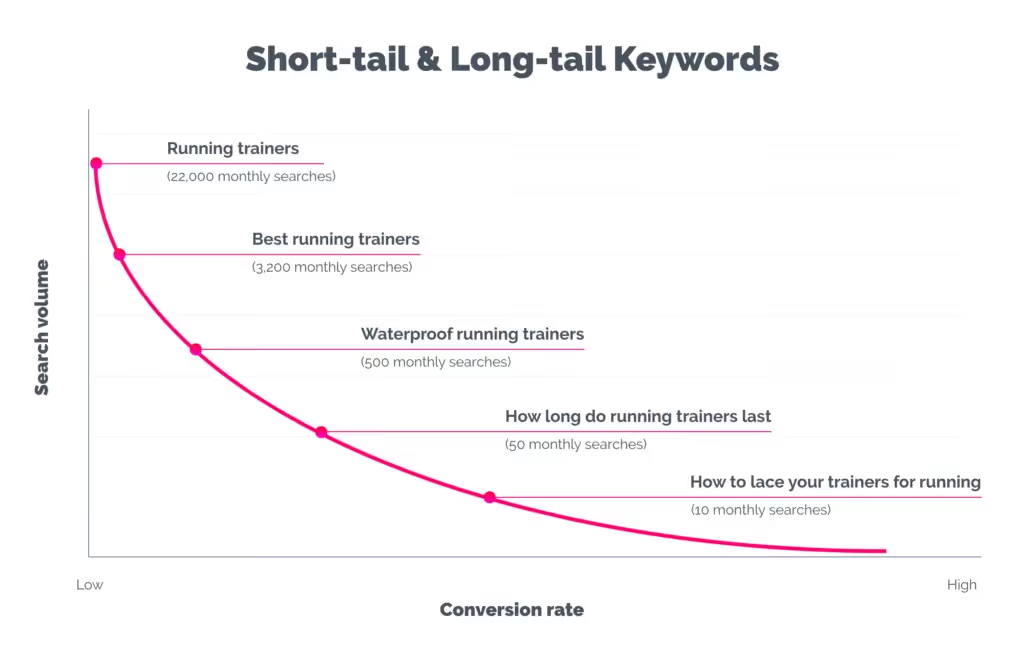
Short-tail keywords, also known as "broad keywords," are words or phrases consisting of only 1 to 3 words that have a very broad and popular search scope. These keywords usually have high search volume but also come with a very high level of competition.
Example: "car", "buy house", "travel".
Pros: Can generate high traffic and build brand awareness quickly.
Cons: High competition, making it difficult to achieve high rankings without a strong content strategy.
Application: Short-tail keywords are typically used in long-term SEO strategies when you have the capacity to compete with major websites.
2. Long-tail keywords
Long-tail keywords in keyword research are phrases consisting of three or more words that are more detailed and specific. Although they have lower search volumes compared to short-tail keywords, they are generally easier to rank for on search engines.
Example: "buy car on installment with low interest rate", "travel to Da Nang in December", "how to choose a used car".
Pros: Higher conversion rates, lower competition, and users searching for these keywords tend to have a specific intent to purchase or take action.
Cons: Lower search volume and requires more effort to create relevant content.
Application: Suitable for the SEO strategy of small or new websites, as they are easier to compete for and effective at attracting target customers.
3. Informational keywords
Informational keywords in keyword research are keywords that searchers use when they want to learn information or gain knowledge about a specific topic. These keywords do not have a clear purchasing intent but are strictly for information gathering.
Example: "how to make pizza", "popular car models", "travel budget tips".
Pros: Easy to attract traffic, allows for rich content creation, and helps build relationships with potential customers.
Cons: Low conversion rates because searchers do not have an immediate intent to buy.
Application: Informational keywords are commonly used in content marketing strategies to help build brand trust and authority.
4. Transactional keywords
Transactional keywords in keyword research are terms users employ when they intend to complete a transaction, such as making a purchase or signing up for a service. These keywords can have a direct impact on revenue.
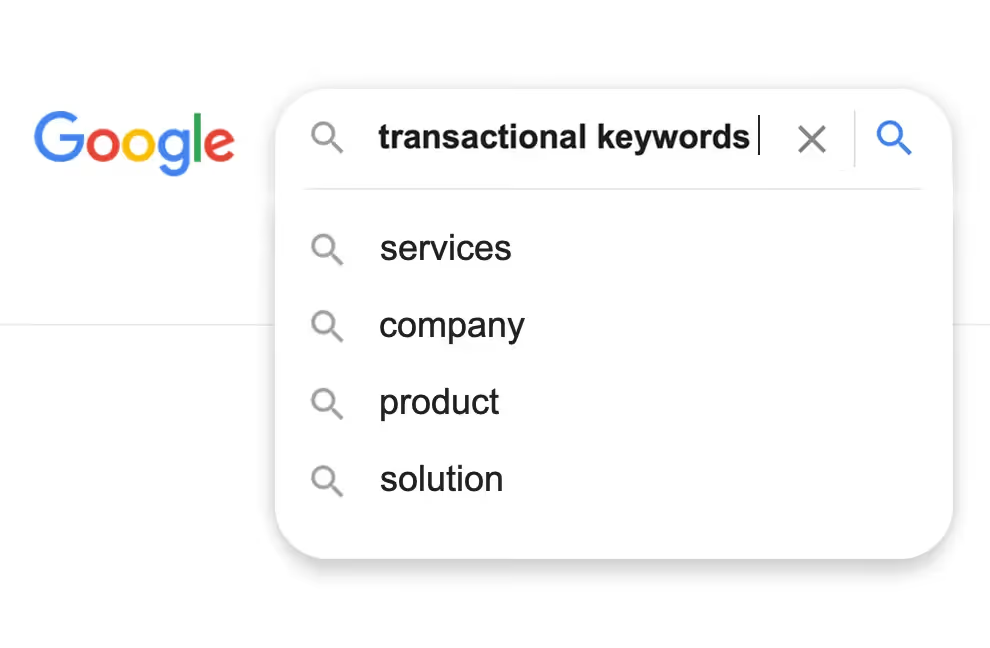
Example: "buy used car on installment", "sign up for online course", "buy cheap flight tickets".
Pros: High conversion rates, as they can lead to immediate purchasing actions.
Cons: Very high competition, as businesses always target these keywords to attract customers.
Application: Transactional keywords are a critical component of SEO strategies for e-commerce sites or online services, helping to directly increase revenue.
5. Local keywords
Local keywords in keyword research are keywords combined with a geographic location, aimed at attracting users searching for services or products in a specific area.
Example: "used cars in Hanoi", "car repair services in Ho Chi Minh City", "Vietnamese restaurants in Da Nang".
Pros: Helps businesses reach potential customers in a specific geographic area, increasing conversion rates.
Cons: Local keyword optimization may require you to build a specific SEO strategy for each region.
Application: Suitable for businesses with a physical presence or services targeting customers in a specific geographic area.
5 Free keyword research tools
To help you find potential keywords for your SEO strategy without spending a large amount of money, here are 5 extremely useful and easy-to-use keyword research tools:
Google Keyword Planner
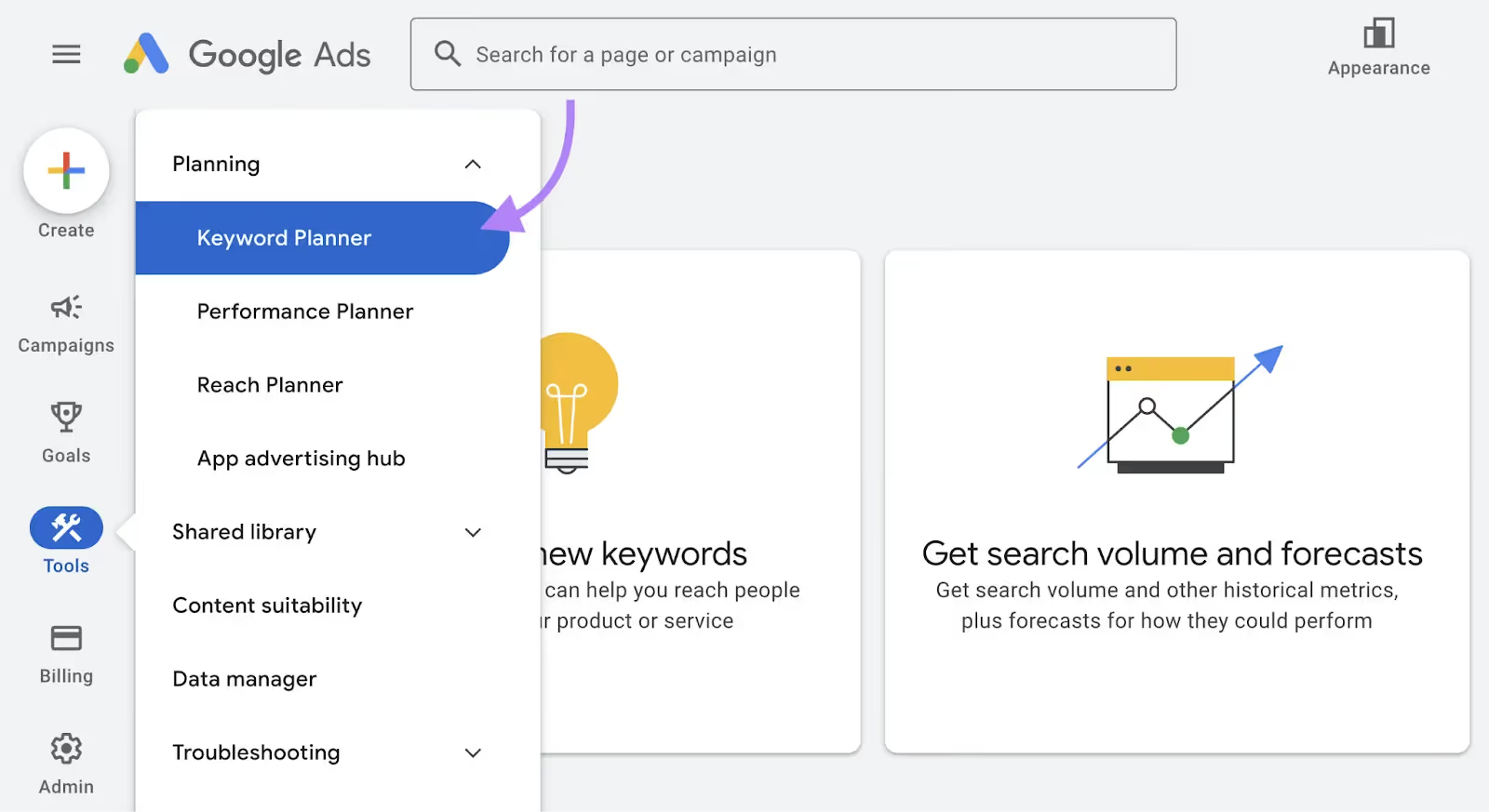
Introduction: Google Keyword Planner is a keyword research tool from Google, primarily used for Google Ads campaigns, but you can also use it for keyword research for SEO. This tool provides detailed insights into search volume, competition levels, and related keyword suggestions, helping you select effective keywords.
Pros:
- Integrates directly with Google Ads, providing accurate data from the largest search engine.
- Provides metrics on competition levels and search volume forecasts.
- Easy to use and completely free.
Cons: To access all features, you need a Google Ads account and must set up an ad campaign, although you do not need to run the ads.
Best for: When you need accurate data and detailed keyword analysis for your SEO and advertising campaigns.
Ubersuggest
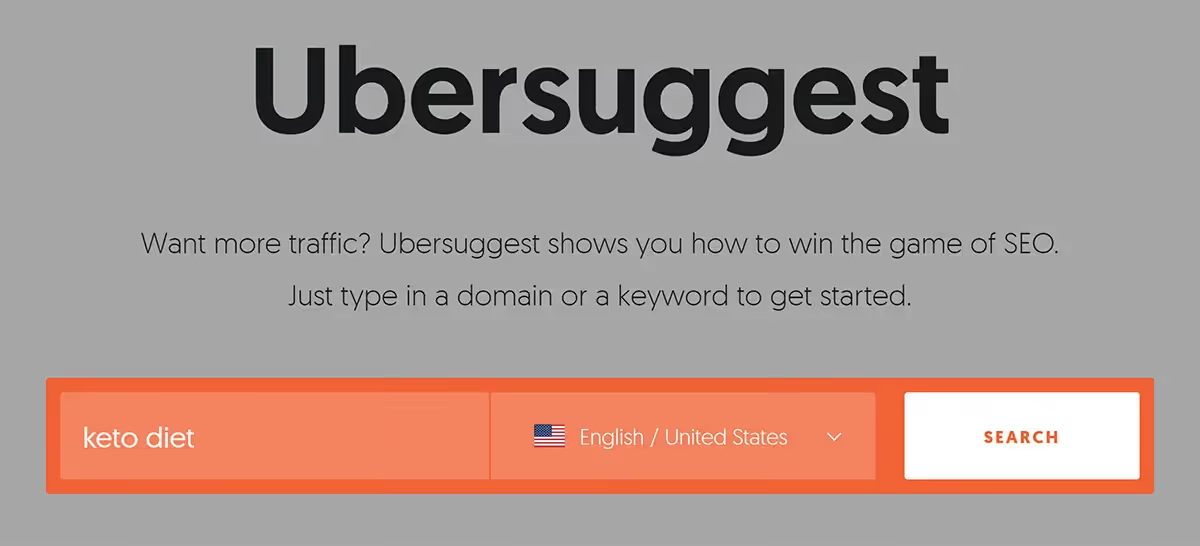
Overview: Ubersuggest is a keyword research tool developed by renowned SEO expert Neil Patel. It provides keyword data, including search volume, competition, CPC (cost per click), and related keywords. Ubersuggest also helps analyze competitor websites so you can identify keyword opportunities within your industry.
Pros:
- The interface is intuitive and beginner-friendly.
- Provides keyword suggestions, competitor analysis, and helpful SEO strategies.
- The free version grants access to several basic features.
Cons:
- The free version limits the number of daily keyword searches.
- Some advanced features require a paid subscription.
Use case: Ideal for those who want an overview of the keyword market and competitor SEO strategies without incurring costs.
Answer the Public
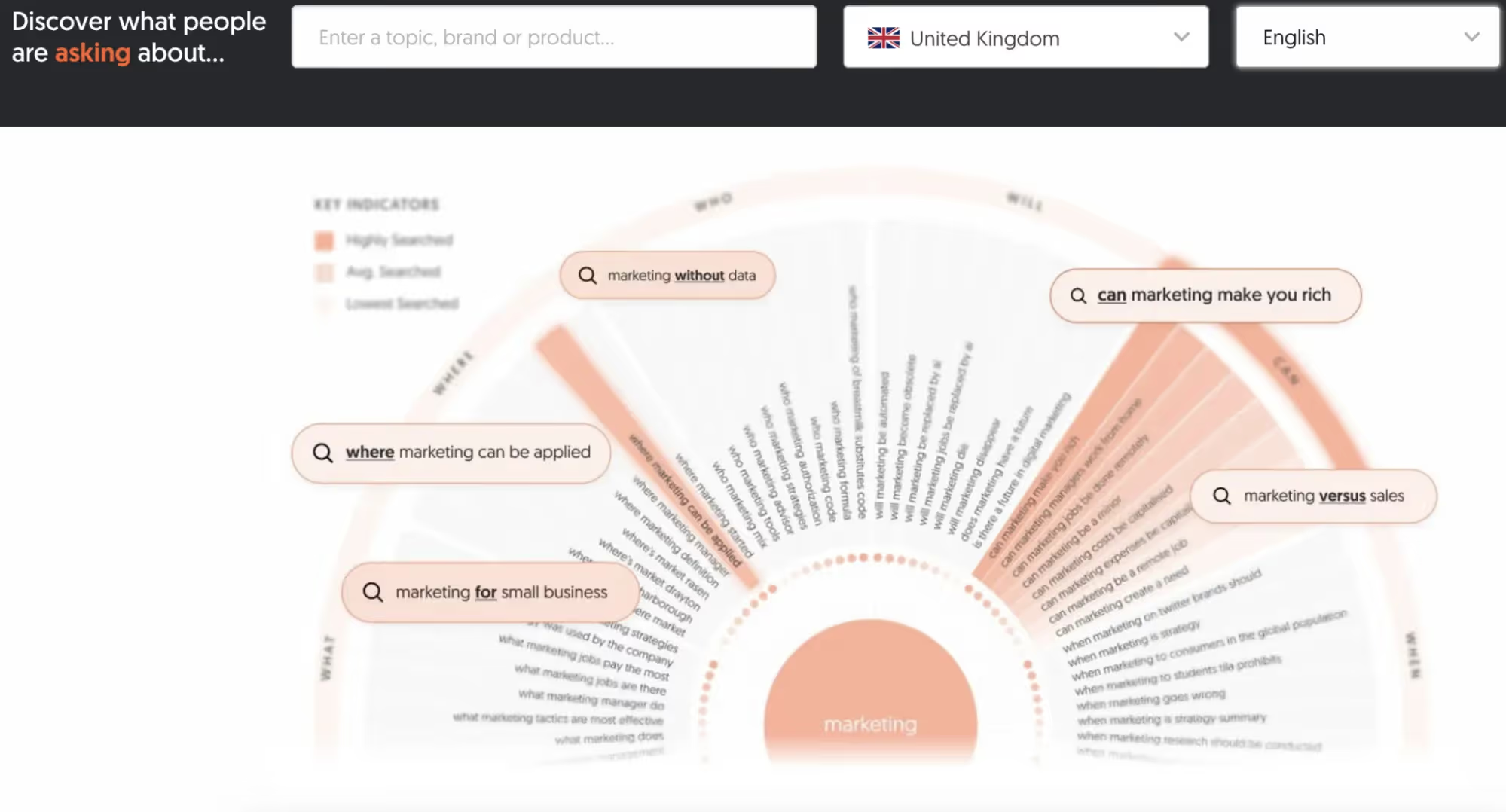
Introduction: Answer the Public is an excellent tool for discovering questions and topics related to keywords that users frequently search for. It leverages search engine data to display the questions, phrases, and common issues that searchers are interested in. This is a fantastic tool for keyword research and optimizing content for blogs or websites.
Pros:
- Provides highly detailed long-tail keyword suggestions.
- Displays related questions and topics to help you create engaging content.
- User-friendly interface, suitable for both beginners and SEO experts.
Cons:
- The free version limits the number of searches you can perform each day.
- Only provides keyword data in the form of questions and related topics, lacking specific metrics like search volume.
Best for: Ideal for those looking to discover long-tail keywords and questions frequently searched by users in their industry.
Keyword Tool.io
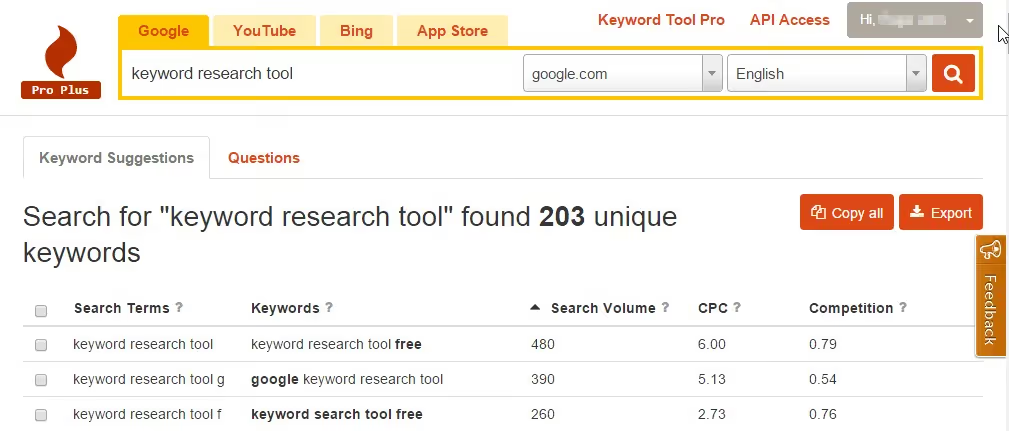
Introduction: Keyword Tool.io is a keyword research tool that supports keyword discovery across various search platforms such as Google, YouTube, Bing, Amazon, and the App Store. The free version provides a vast number of keyword suggestions based on the algorithms of popular search engines.
Pros:
- Supports multiple search platforms, helping you find keywords not only for SEO but also for marketing strategies on other channels.
- Provides a wide range of free long-tail keywords that are highly useful for SEO strategies.
Cons:
- The free version limits detailed data such as search volume and competition levels.
- Advanced features require a paid subscription.
Application: For those who want to research keywords not only on Google but also on other platforms like YouTube, Amazon, and other search engines.
Google Trends
Introduction: Google Trends is an excellent tool for researching changes in search trends over time. It helps you track user interest in keywords over a specific period and compare the popularity of different keywords. It is an ideal tool for understanding emerging trends in your industry.

Pros:
- Completely free and easy to use.
- Provides deep insights into search trends over time and by geography.
- Allows for comparing the popularity of multiple keywords simultaneously.
Cons:
- Does not provide specific search volume data, only relative popularity levels.
- Does not support keyword research on platforms other than Google.
Application: Suitable for tracking changes in search trends over time and selecting keywords with growth potential.
Detailed Keyword Research Process
Keyword research is a crucial step in any SEO strategy. Below is a detailed process for you to conduct keyword research effectively, from planning to actual implementation.
Step 1: Define goals and target audience
Before starting keyword research, you need to clearly understand your goals and target audience:
- SEO goals: Do you want to increase traffic, improve conversion rates, or boost brand awareness? Specific goals will help you choose the right keywords.
- Target audience: Who is searching for these keywords? What are their needs? Understanding your audience will help you select keywords more accurately.

Questions to answer:
- Who are your customers?
- What are they looking for?
- What goals do you want to achieve with your SEO strategy?
Step 2: Keyword Brainstorming
Once you have defined your goals and target audience, the next step is to brainstorm the keywords you think your customers will search for. This is a brainstorming phase where you don't need to be specific yet; just focus on the topics or questions your users might be interested in.
Questions to answer:
- What is your primary keyword? For example: "buy a car on installment" or "Da Nang travel".
- What are the topics related to your products or services?
- What questions might customers ask about your industry?
Step 3: Use keyword research tools
Now, you need to use keyword research tools to verify and expand your keyword list. Some popular free and paid tools you can use include:
- Google Keyword Planner
- Ubersuggest
- Answer the Public
- Google Trends
- Keyword Tool.io

These tools will help you gather information on:
- Search volume
- Keyword competition
- Long-tail keyword suggestions
- Related or trending keywords
Questions to answer:
- Which keywords have high search volume and moderate competition?
- Which keywords have high potential for ranking on Google?
- Which long-tail keywords can help you attract your target audience?
Step 4: Categorize and group keywords
After compiling your keyword list, the next step in keyword research is to categorize and group them by topic or search intent. You can organize keywords into the following groups:
1. Informational keywords: Keywords related to seeking information, guides, or tips, for example: "how to choose a used car," "travel budget tips."
2. Transactional keywords: Keywords related to purchasing or transactional actions, for example: "buy car on installment," "book cheap flight tickets."
3. Navigational keywords: Keywords used to find a specific website or brand, for example: "Toyota Vietnam," "HSC stock."
4. Local keywords: Keywords containing a specific city or region name, for example: "car repair Hanoi," "Da Nang travel in December."
Step 5: Analyze competition and identify opportunities
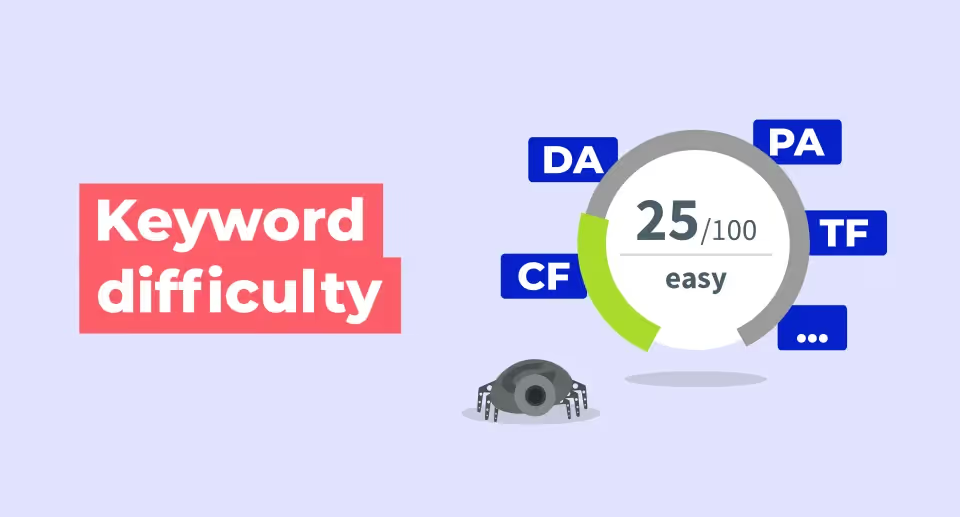
Once you have your list of keywords, the next step in keyword research is to analyze their competitiveness. Tools like Google Keyword Planner, Ubersuggest, or Ahrefs can help you determine the keyword difficulty and competition level for each term.
Questions to answer:
- Which keywords have moderate competition and are easy to rank for on Google?
- Which keywords have high competition but offer significant traffic volume?
- Could long-tail or niche keywords be your opportunity to stand out?
Step 6: Select target keywords
After analyzing the keywords and their competition levels, you need to select a group of target keywords for your SEO strategy. You should balance search volume with competition to ensure you choose the keywords most likely to deliver the best results.
- Primary keywords: Select the main keyword you want to focus on for website optimization.
- Secondary keywords: Supporting keywords that enhance your content and help expand your keyword reach.
Step 7: Implement and optimize content
After selecting your target keywords, the next step in keyword research is You need to incorporate keywords into your content. Ensure they are used naturally and logically within the following elements:

- Title
- Meta description
- First paragraph
- H1, H2, and H3 tags
- Internal links
Questions to answer:
- Have you integrated keywords naturally into your content?
- Does your content provide real value to the reader?
- Have you optimized keywords in your HTML tags, headings, and URLs?
Step 8: Monitoring and adjustment
Finally, once you have implemented your keywords, you need to monitor the results to evaluate the effectiveness of your strategy. Use tools like Google Analytics and Google Search Console to track keyword rankings, traffic, and conversion rates.
- Questions to answer:
- Have your keywords started driving traffic?
- Do you need to adjust your SEO strategy or change your keywords?
Process keyword research helps you not only discover high-potential keywords but also optimize your SEO strategy, thereby achieving higher search engine rankings and attracting your target audience.
How to choose the right keywords for your SEO strategy
Selecting the right keywords for your SEO strategy is a crucial step toward achieving success in search engine optimization. Below are detailed steps to help you choose effective keywords that will boost your website's search engine rankings:
- Define your SEO goals: Before choosing keywords, you need to define your SEO goals, such as increasing traffic, improving conversion rates, or building brand awareness.
- Analyze your target audience: Understand the needs and search behaviors of your target audience to select precise keywords that directly address the issues they care about.
- Choose long-tail keywords: Long-tail keywords help reduce competition and make it easier to rank higher, while also attracting a more specific target audience.
- Evaluate search volume and competition: Select keywords with stable search volume and moderate competition. Use tools like Google Keyword Planner to check them.
- Understand search intent: Keywords must accurately reflect user search intent (informational, transactional, or navigational) to ensure your content is relevant and useful.
- Analyze competitors: Examine the keywords your competitors are using to identify opportunities or niche keywords that you can optimize for.
- Ensure relevance to website content: The chosen keywords must align with your existing website content, ensuring they feel natural and readable when integrated into your articles.
Choosing the right keywords is a decisive factor in any SEO strategy. Pay attention to your goals, target audience, and search trends to effectively optimize your content.
Conclusion
Keyword research is the first and most important step in a successful SEO strategy. By understanding your audience, selecting long-tail keywords, and accurately assessing search volume and competition, you will build a solid foundation for your optimization strategy. Use free tools to support your research process and always remember that the combination of relevant keywords and quality content will help you achieve your SEO goals effectively.