While many companies choose to develop products in-house to establish their own unique identity, many others turn to outsourcing to save costs and focus on their core strengths. So, what is outsourcing and what are the key differences between a product company and an outsourcing company? This article by Markdao will help you understand the pros and cons of each model and choose the most suitable strategy for your business.
What is outsourcing?
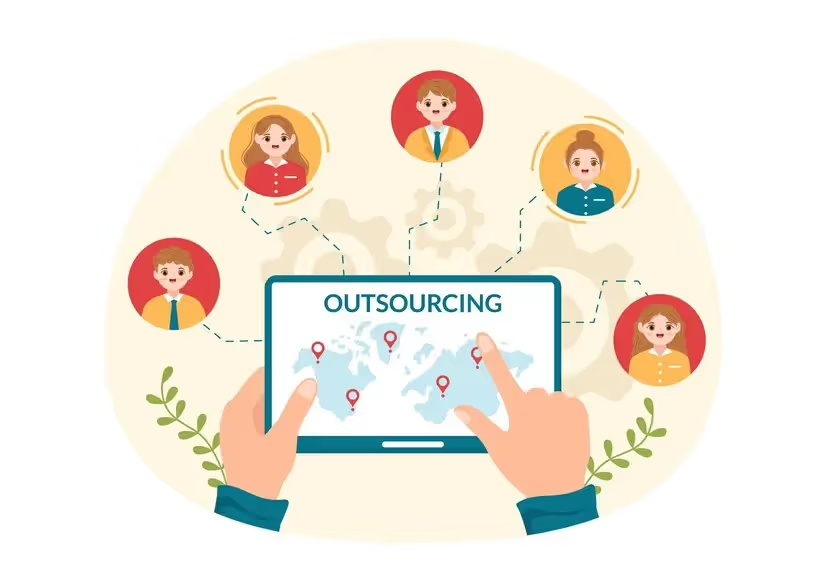
Outsourcing is the process by which a company transfers a portion of its work or business functions to a third party instead of handling them internally. This is common in fields such as information technology, manufacturing, customer service, and marketing.
The primary goal of outsourcing is to save costs, increase operational efficiency, and allow the business to focus on its core competencies.

For example, a software company might outsource application development services to a firm specializing in programming, helping them reduce their workload and optimize resources.
Distinguishing between Insourcing and Outsourcing
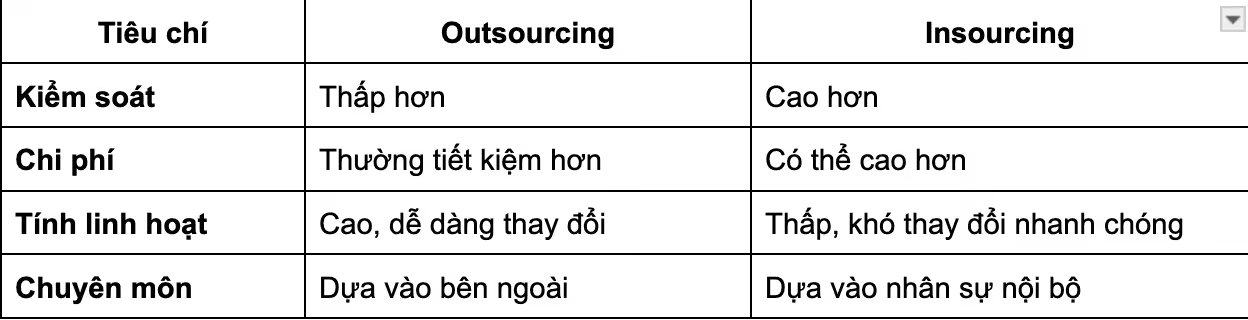
When discussing outsourcing, the concept of insourcing is often brought up for comparison. Here are the key differences between these two models:
- Outsourcing: As mentioned, this involves hiring a third party for services or tasks. While this allows businesses to save costs, it also means losing some control over processes and work quality.
- Insourcing: This is the opposite process, where a company decides to perform all functions and services within its own organization. This allows for tighter control over workflows, product quality, and information security. However, insourcing can also require significant resources and higher costs.
Pros and Cons of Outsourcing
Pros
Outsourcing has become a popular strategy in the modern business world, and for good reason. The benefits include:
- Cost savings: One of the primary reasons businesses choose to outsource is the ability to reduce operating costs. Outsourcing allows companies to avoid high fixed costs such as salaries, insurance, and other expenses associated with in-house personnel.
- Focus on core competencies: By outsourcing non-core activities, businesses can focus on the areas where they have a competitive advantage. This helps optimize workflows and enhances creative capacity.
- Access to global resources and expertise: Outsourcing allows businesses to access experts and resources not available in-house. This is particularly useful in fields like information technology, where finding talent can be challenging.
- Increased flexibility and scalability: Companies can easily adjust their operational scale by increasing or decreasing the volume of outsourced services. This enables them to respond quickly to market changes.
Disadvantages
However, outsourcing is not without its drawbacks:
- Loss of control: When transferring operations to a third party, businesses may lose some control over processes and quality. Relying on external providers can lead to risks regarding service quality.
- Communication and coordination challenges: Differences in time zones, culture, and language can create difficulties in communication and coordination between the company and the service provider. This can impact work performance and final outcomes.
- Security risks: Sharing sensitive data with external partners can create security risks. Businesses must ensure that service providers have adequate data protection measures in place and comply with security regulations.
- Hidden costs: Although outsourcing can save on initial costs, hidden expenses such as monitoring fees, contract management, or costs incurred during the collaboration process may arise.
Factors for successful outsourcing
To ensure your outsourcing strategy delivers maximum efficiency, businesses should consider and implement several key factors. Here are the essential points to keep in mind:
- Choose a reputable partner: Businesses must thoroughly research the capabilities, experience, and reputation of service providers. Selecting the right partner not only helps mitigate risks but also ensures that work quality meets the highest standards.
- Set clear objectives: Having a detailed plan helps both parties clearly understand expectations and commitments. This fosters consensus and makes it easier to measure project performance and success.
- Establish effective communication processes: Businesses need to set up effective communication channels and define reporting frequencies between both parties. This helps track progress and allows for the timely resolution of any issues that may arise.
- Manage and monitor closely: Even after outsourcing part of your operations, it is crucial to maintain close management and oversight to ensure everything proceeds according to plan. Establishing performance evaluation criteria will help track work quality and allow for timely adjustments when necessary.
- Adapt and adjust flexibly: The market is constantly changing, and requirements may evolve over time. Therefore, businesses must be able to adapt and adjust their strategies as needed. Flexibility in project management will help optimize processes and improve operational efficiency.
- Build long-term partnerships: Trust and sustainable collaboration bring significant benefits to both parties, ranging from improved service quality to enhanced innovation and growth.
Comparing Product and Outsourcing companies
What is a Product company?
A Product company is a business that specializes in developing, producing, and marketing its own proprietary products. These companies focus not only on creating the product itself but also on building a strong brand and marketing strategy around it.

One of the standout characteristics of a Product company is the product development process. From market research and design to production and distribution, every step is strictly controlled by the company. This allows them to ensure product quality and alignment with customer needs.
However, product companies also face several challenges, such as high investment costs, significant risks in product development, and long time-to-market. This is especially true in a market landscape that is constantly changing and demands continuous innovation.
Should a business choose a product or an outsourcing model?
When faced with the decision between a product and an outsourcing model, businesses need to carefully consider many factors.
The product model is often better suited for companies with strong financial resources and the ability to invest in research and development. If a business wants full control over the process and to build its own brand, this is the ideal choice. This model helps businesses build closer relationships with customers and allows for product optimization based on real market demands.
Conversely, the outsourcing model is suitable for businesses looking to save costs and optimize workflows. If a company lacks the resources to maintain the entire product development process, outsourcing allows them to access industry experts without making large investments in infrastructure or staff training.
Ultimately, the decision between these two models depends not only on financial resources but also on the business's long-term strategy, development goals, and actual market needs. Businesses should carefully evaluate these factors to choose the model that best fits their needs.
Conclusion
In an increasingly competitive and rapidly changing business environment, the decision between a product company and an outsourcing model is more than just a strategic choice; it reflects the vision and philosophy of the business. Each model has its own advantages and disadvantages, but the most important factor remains the ability to adapt and be flexible in how a business manages resources and develops products.
We hope this article has helped you better understand what outsourcing is. Regardless of the path you choose, always remember that the core elements of success are understanding the market, grasping customer needs, and building sustainable partnerships.