In SEO, content optimization isn't always the only factor that determines website rankings. An equally important element is the Referring Domain—links from other websites. Did you know that the quantity and quality of domains linking to your site can significantly impact your position on Google? Let's join Markdao in exploring how links from reputable websites can help boost your search engine presence and drive more traffic.
What is a Referring Domain?
Defining Referring Domains
A Referring Domain is another website that has a link (backlink) pointing to your site. Each Referring Domain represents a unique website that contains at least one link to your page. For example, if an article on website A contains a link to your site, then website A is one of your Referring Domains.
Referring Domains play a crucial role in building your website's credibility and quality in the eyes of search engines. Google and other search engines view links from other websites as a signal of your site's authority and value. Having many Referring Domains from reputable websites will help your site achieve higher rankings in search results.
Distinguishing between Referring Domains and Backlinks
Although Referring Domains and Backlinks both relate to external links pointing to your website, there is an important difference:
- Referring Domain: This is the domain (website) from which a link points to your site. Each domain is counted only once, regardless of how many backlinks come from that specific domain.
- Backlink: This is each individual link pointing from an external website to your page. A single Referring Domain can contain multiple backlinks.
For example, if website A has 5 different articles, and all of them contain links pointing to your website, you only receive 1 Referring Domain from website A, but you will have 5 backlinks from it.
The importance of Referring Domains in SEO
Referring Domains play a pivotal role in any website's SEO strategy. Here is why they are so important:
1. Increasing website Authority
One of the key factors that Google and other search engines use to evaluate the quality of a website is Domain Authority (DA). Quality Referring Domains, especially those from reputable websites within the same industry, will help boost your site's authority.
When reputable websites link to your site, Google views this as a signal confirming that your website is trustworthy and valuable. This directly helps improve your search rankings.

2. Improve keyword rankings
The diversity of referring domains plays a crucial role in boosting a website's search engine rankings. A website with many high-quality referring domains from various sources is rated more highly than one with only a few.
Each referring domain from a reputable source acts as a "vote" of confidence, helping your website rank higher on Google and other search engines for relevant keywords.
3. Increase organic traffic
Beyond improving search engine rankings, high-quality referring domains also help drive more organic traffic to your website.
When users visit websites that link to yours, they may click those links to visit your site. This not only generates direct traffic but also increases conversion opportunities and helps build long-term customer relationships.
4. Ensure diversity in link sources
Google values diversity in referring domains because it indicates that you can attract attention from a wide range of sources, rather than just a few websites.
If all your links come from the same website or group of websites, Google may view this as a sign of over-optimization and devalue the quality of those links. Therefore, having many referring domains from diverse and relevant sources helps mitigate this risk and ensures a sustainable SEO strategy.
5. Improve social signals and increase brand awareness
When referring domains point to your site, it means your brand is being introduced more broadly within the online community. This not only benefits SEO but also boosts brand awareness. Websites can share your information, articles, or products through these links, thereby building trust and credibility with consumers.
In summary, referring domains are a vital element of an SEO strategy, not only because they help improve search rankings but also because they drive organic traffic growth, build authority, and enhance brand recognition.
How can you increase the number of referring domains?
Increasing the number of referring domains is not only a key SEO strategy but also helps improve your website's credibility and search engine positioning. Here are some effective methods to increase your number of referring domains:
1. Create high-quality content
High-quality content is the primary factor in attracting referring domains. When you provide useful, unique, and valuable information to readers, other websites will naturally link to your page as a reference. This content can include:
- Blog posts solve specific user problems.
- Detailed guides or research papers that others can cite.
- Infographics or videos that are easy to share.

Creating and sharing unique content will make it easier for you to earn links from other websites and increase your number of Referring Domains.
2. Implement a Guest Blogging strategy
Guest blogging is a popular method for building Referring Domains. By writing for reputable blogs or websites in your industry, you can not only provide value to the community but also earn backlinks from these sites. To execute this strategy effectively, you need to:
- Find authoritative websites with a similar target audience.
- Propose valuable and unique article topics.
- Ensure your articles are high-quality, easy to read, and link back to your website naturally.
3. Build relationships with other websites
A great way to increase Referring Domains is to build relationships with bloggers, journalists, or website administrators in your industry. These relationships can lead to link exchanges or earning backlinks from authoritative websites. This approach may include:
- Connecting via social media or email to build relationships.
- Sharing useful information or collaborating on joint marketing campaigns.
- Inviting them to write guest posts or collaborate on projects that are mutually beneficial.

4. Submit to reputable web directories
High-quality web directories are places where you can list your website and receive quality backlinks from these platforms. However, you should only submit to reputable directories that are relevant to your industry to avoid being flagged as spam. Some quality web directories include:
- Dmoz (Although Dmoz is no longer active, similar directories can still be useful).
- Industry-specific directories.
Submitting to these directories helps increase the number of referring domains from trusted sources while improving search rankings.
5. Participate in forums and online communities
The forums and online communities are great places to share knowledge and earn backlinks to your site. When participating in discussions, you can share links to your content in a natural way. Communities such as:
- Quora
- Industry-specific forums
When participating in these forums, ensure that the links you share are helpful and do not come across as spam, which helps increase your chances of earning links from various sources.
6. Create and share useful tools
Providing free tools or useful features for users can help you easily earn links from other websites. For example, you could create an:
- Online calculator.
- Free template.
- Small software application that serves user needs.
These tools not only help attract users but also encourage other websites to share and link to your page because of the value you provide.
Increasing the number of referring domains is an ongoing process that requires you to invest time and effort into building relationships, creating valuable content, and participating in online communities.
How to check and evaluate Referring Domains
Checking and evaluating Referring Domains is a crucial step in optimizing your SEO strategy. This not only helps you better understand the origin of your links but also helps identify opportunities for improvement and avoid bad links that could negatively impact your website. Below are the basic steps to check and evaluate Referring Domains.
1. Use SEO tools to check Referring Domains
To check Referring Domains, you can use powerful SEO tools that provide detailed information about the quantity and quality of Referring Domains pointing to your website. Some popular tools include:
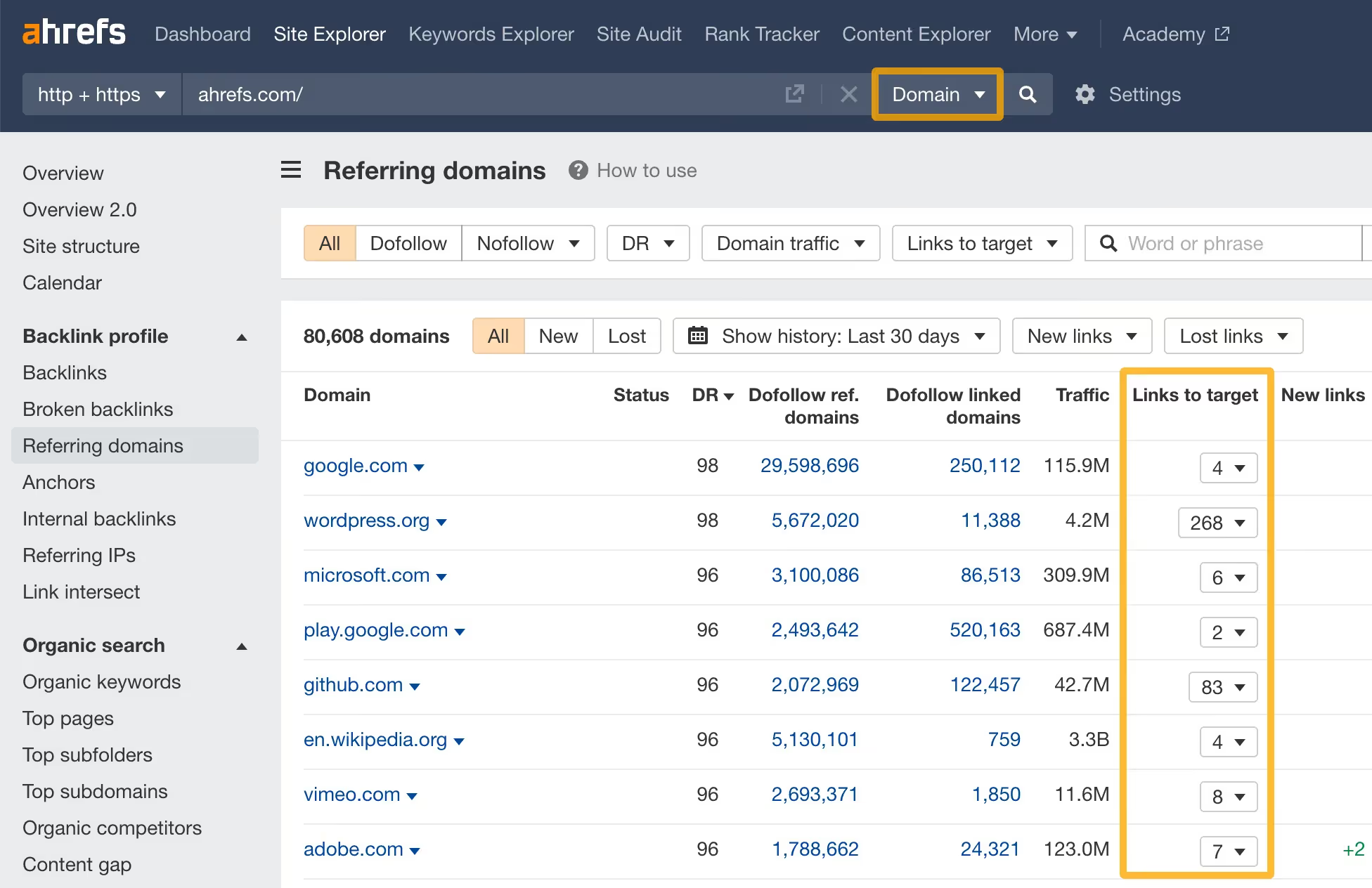
- Ahrefs: This is a comprehensive SEO tool that allows you to check Referring Domains, backlinks, and many other important SEO metrics. Ahrefs provides deep insights into the origin of Referring Domains, including metrics like Domain Rating (DR) and the number of backlinks from each Referring Domain.
- SEMrush: Another SEO tool that allows you to check Referring Domains, analyze links, and research competitors. SEMrush provides data on high-quality Referring Domains and which domains have the greatest impact on your website's rankings.
- Moz Link Explorer: Another tool for checking Referring Domains, Moz Link Explorer helps you view a list of Referring Domains and related metrics such as Domain Authority (DA). This is a suitable tool if you want to evaluate the quality and influence of your Referring Domains.
- Google Search Console: Although not as specialized as other SEO tools, Google Search Console allows you to view links to your website, including Referring Domains. This is a free and very useful tool for monitoring the backlink status of your site.
2. Evaluate the quality of Referring Domains
Simply having many Referring Domains does not mean you will achieve good SEO results. To evaluate the quality of Referring Domains, you need to consider several important factors below:
- Domain Authority (DA) and Page Authority (PA): DA and PA metrics help you assess the credibility of a website. The higher the DA (usually above 40-50), the more valuable the Referring Domain. Websites with high DA will help improve your website's trustworthiness in the eyes of search engines.
- Relevance: The more relevant a Referring Domain is to your field, the more valuable it is. For example, if your website specializes in technology and receives links from well-known tech websites, this will have a more positive impact than receiving links from unrelated websites.
- Anchor Text: The text used for backlinks pointing to your website is also crucial. Natural anchor text that clearly describes the link's content helps Google better understand your site. Links using irrelevant or spammy anchor text can harm your SEO strategy.
- DoFollow vs. NoFollow: An important factor to note is the link type, specifically whether it is DoFollow or NoFollow. DoFollow links have higher SEO value because they pass "link juice"—the SEO authority from the referring domain to your site. NoFollow links do not pass link juice, but they can still drive traffic and help build relationships.
- Diversity in Referring Domains: Evaluating the diversity of your referring domains is essential. If all your links come from the same group of websites or the same owner, it can negatively impact your SEO strategy. A natural link profile should feature diverse referring domains from a wide variety of sources.
3. Analyze Competitor Referring Domains
To evaluate your SEO performance, you should also check your competitors' referring domains. This helps you identify potential link sources you may have overlooked or not yet utilized. You can use tools like Ahrefs or SEMrush to analyze your competitors' backlink strategies and uncover opportunities to build referring domains for your own site.
4. Identify and Remove Low-Quality Referring Domains
Not all referring domains benefit your SEO. Some may come from spammy, untrustworthy, or even malicious websites. These links can diminish your site's credibility in Google's eyes, potentially leading to penalties or lower rankings. To ensure the quality of your referring domains, you should:
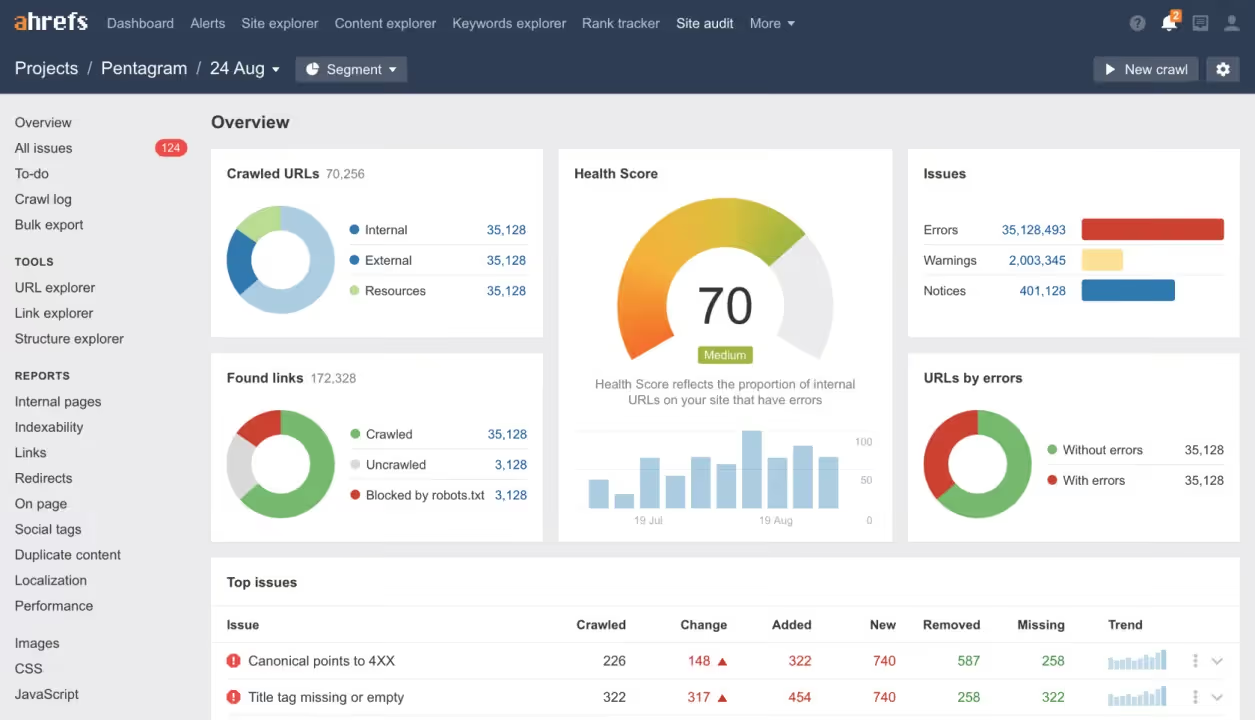
- Identify toxic links: Use tools like Ahrefs or Google Search Console to detect links from untrustworthy or irrelevant websites.
- Request the removal of toxic links: If you discover links from low-quality websites, contact the site administrators and request that they remove the links.
- Use Google's Disavow Tool: If you are unable to remove toxic links, you can use Google's Disavow Tool to inform Google that you do not want those links to be considered in your SEO strategy.
Conclusion
Monitoring and evaluating referring domains is an indispensable part of a long-term SEO strategy. By using SEO tools, assessing link quality, analyzing competitors, and removing toxic links, you can optimize your backlink profile and help your website achieve higher search engine rankings.