


In the age of the internet, page load speed and user experience play a critical role in the success of any website. Content Delivery Network (CDN) emerged as an optimal solution to help websites load faster, reduce the load on the origin server, and improve overall performance.
So, what is a CDN? How does it work, and is it truly necessary for every website? This article will help you better understand CDNs and why many businesses are using this service to enhance the quality of their websites.
What is a Content Delivery Network (CDN)?
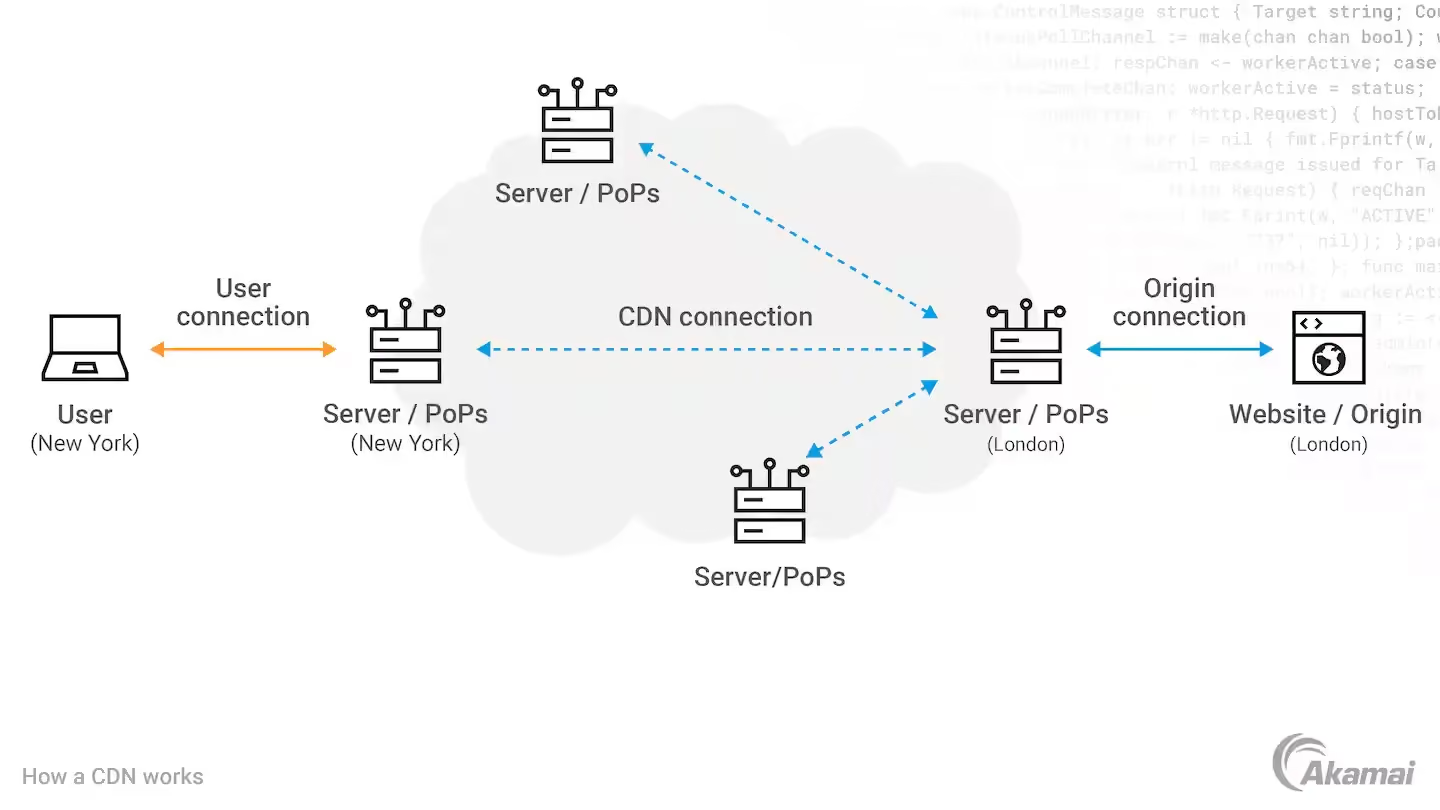
A CDN (Content Delivery Network) is a system of servers located in various geographic locations around the world, helping to deliver website content to users more quickly and efficiently.
Instead of loading all data from a single origin server, a CDN caches and delivers content from servers closest to the user, helping to reduce page load times, save bandwidth, and improve user experience.
Example of how a CDN improves page load speed
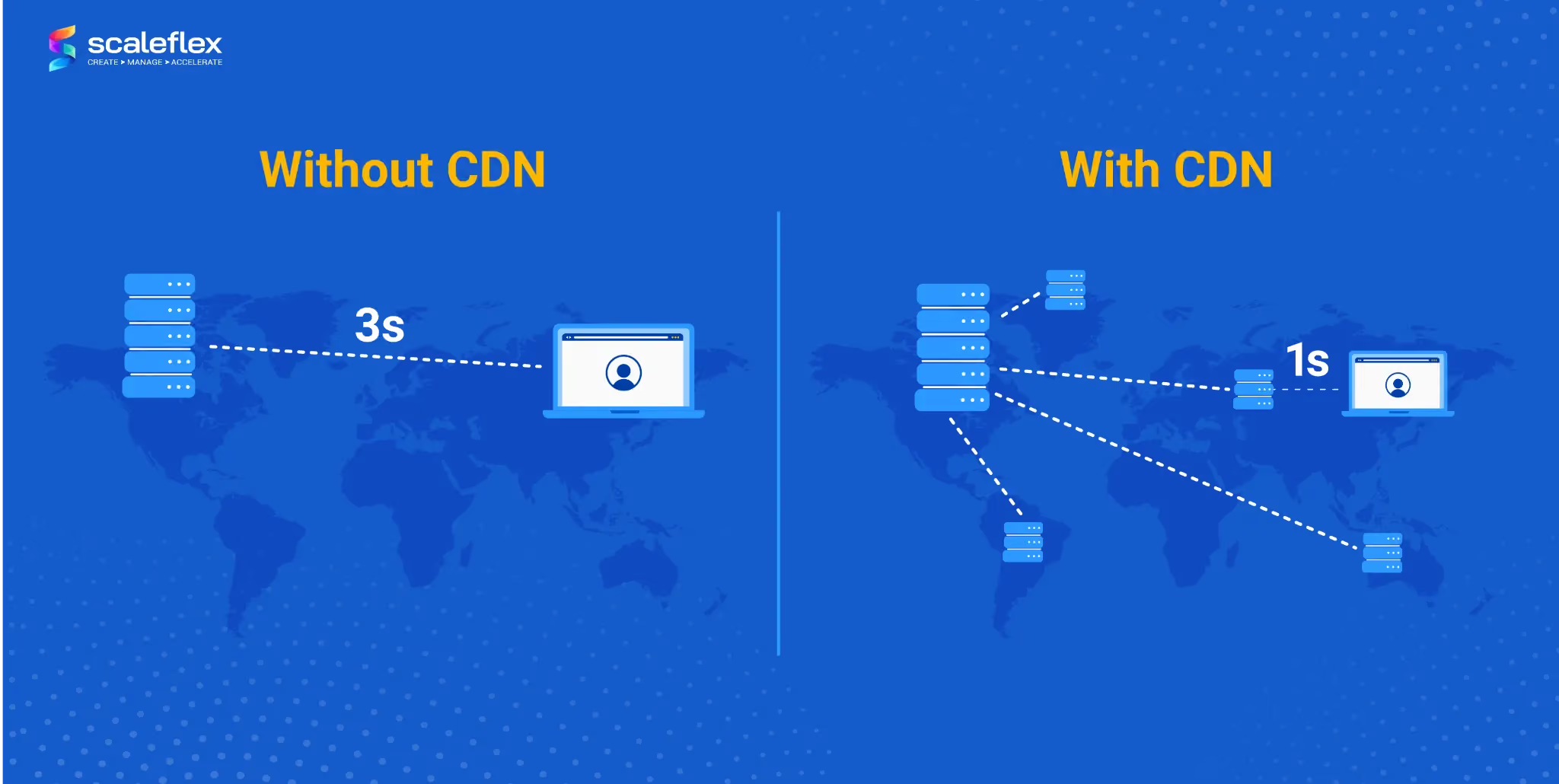
Suppose a website has its server located in Vietnam but receives many visitors from the US. Without a CDN, users in the US would have to load data from the server in Vietnam, resulting in slow speeds and high latency.
However, if the website uses a Content Delivery Network, the content will be cached on a server in the US (edge server), helping the page load faster and reducing the load on the origin server.

How does a Content Delivery Network work?
1. The structure of a CDN system
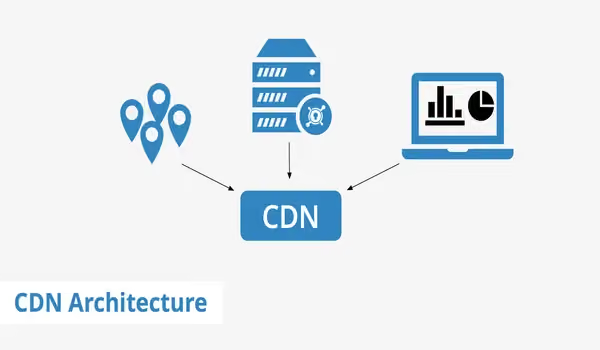
A Content Delivery Network system consists of three main components:
- Origin Server: This is where the website's original content is stored, such as images, videos, source code, documents, and more.
- Edge Servers: CDN servers located in various regions around the world that store copies of content to deliver it faster to users.
- Caching Mechanism: CDNs use caching techniques to store static content, which helps reduce the number of requests to the origin server and optimize page load speeds.
2. The process of a user accessing a website using a CDN
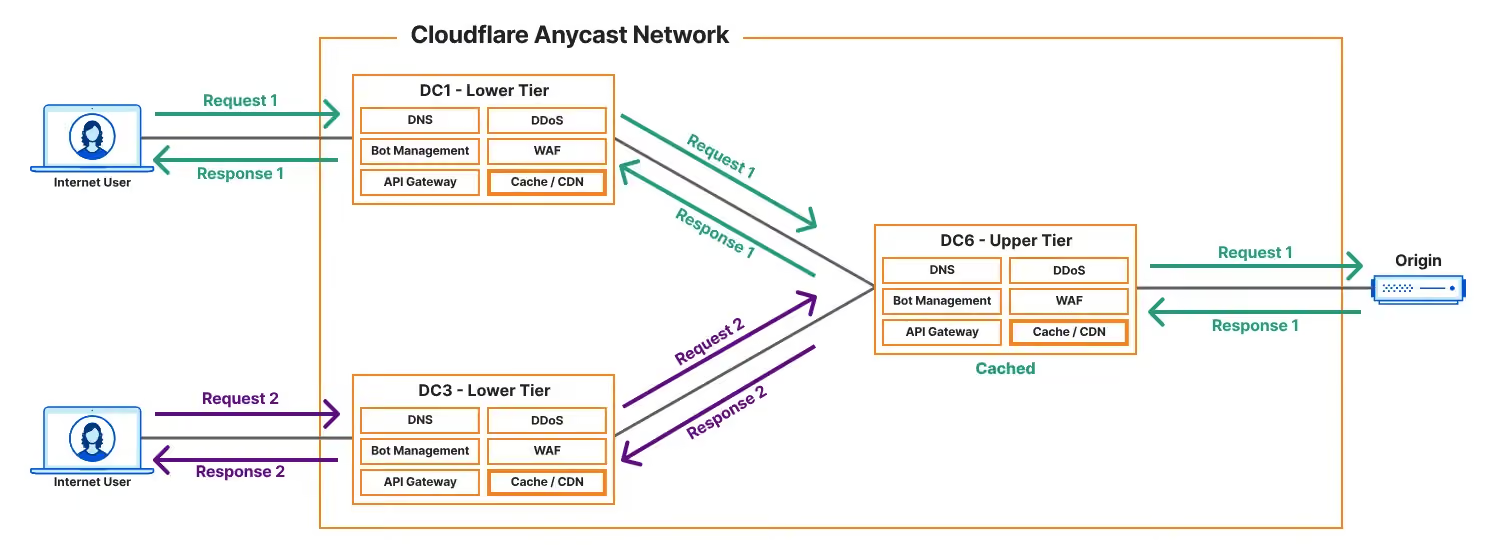
When a user visits a website, their browser sends a request to load content.
The CDN checks if the content is already available on the edge server :
- If it is, the content is loaded immediately from the nearest CDN server, reducing page load time.
- If it is not, the CDN retrieves the data from the origin server, then stores a copy on the edge server to serve future access requests.
This process helps reduce the load on the origin server, increases access speed, and improves the user experience.
3. Types of content delivered by CDN
CDNs can deliver a wide variety of content, including:
- Static content: Images, videos, CSS files, JavaScript, PDF documents, and more.
- Dynamic content: Web pages with real-time data, such as personalized content, API data, etc.
- Streaming media: Online videos, music, podcasts, and more.
- Web applications: Files required to run web applications more quickly.
With its intelligent delivery mechanism, a CDN helps optimize website performance, ensuring users can access content quickly from anywhere in the world.
Benefits of using a CDN
Using a Content Delivery Network (CDN) provides many significant benefits for a website, particularly by increasing page load speeds, reducing the load on the origin server, improving scalability, and enhancing security. Below are the key benefits of implementing a CDN.
CDN helps increase page load speed
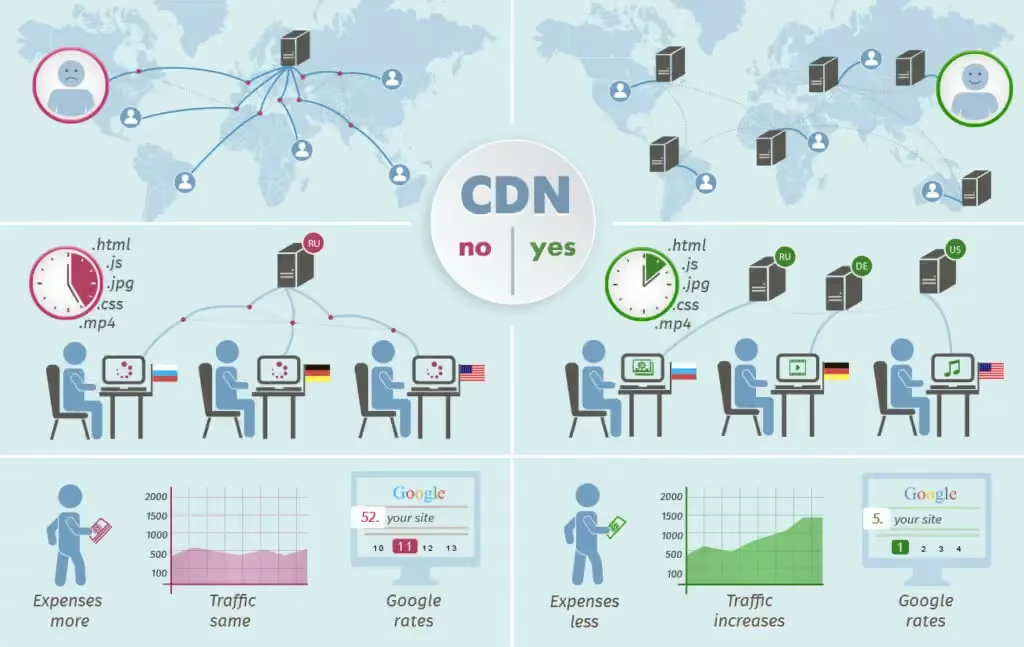
Page load speed is a critical factor affecting user experience (UX) and SEO rankings on Google. A CDN helps reduce latency and optimize load times by delivering content from the server closest to the user.
- Reduced latency: When a user visits a website, the CDN automatically serves content from the nearest edge server instead of fetching data from a distant origin server. This reduces response time and speeds up page loading.
- Impact on user experience (UX): A fast-loading website helps retain users longer, reduces bounce rates, and increases conversion rates.
- Improve SEO: Google prioritizes higher rankings for websites with faster loading speeds. Therefore, using a Content Delivery Network not only improves the user experience but also supports SEO optimization.
Reduce load on the origin server
CDN helps reduce bandwidth and save server resources, thereby limiting the risk of overload during high traffic periods.
- Store static content on edge servers: A CDN caches static files such as images, videos, CSS, and JavaScript files on edge servers. This reduces the number of direct requests to the origin server, saving resources and bandwidth.
- Minimize service interruptions: During traffic spikes, the origin server can become overloaded, leading to service interruptions. A CDN helps distribute traffic across multiple edge servers, ensuring the website remains stable even with many concurrent users.
Improve website load capacity
One of the key benefits of a Content Delivery Network is that it helps websites handle higher loads, especially during marketing campaigns or events with high traffic volume.
- Load Balancing: A CDN can distribute traffic across multiple servers, helping the website avoid overload and maintain stable performance.
- Stable operation even with high traffic: E-commerce websites, news sites, or video platforms can experience disruptions when many people access them simultaneously. A CDN helps distribute resources efficiently, ensuring the website does not crash.
Enhance website security
A CDN not only helps increase speed and performance but also provides robust security solutions to protect the website from external threats.
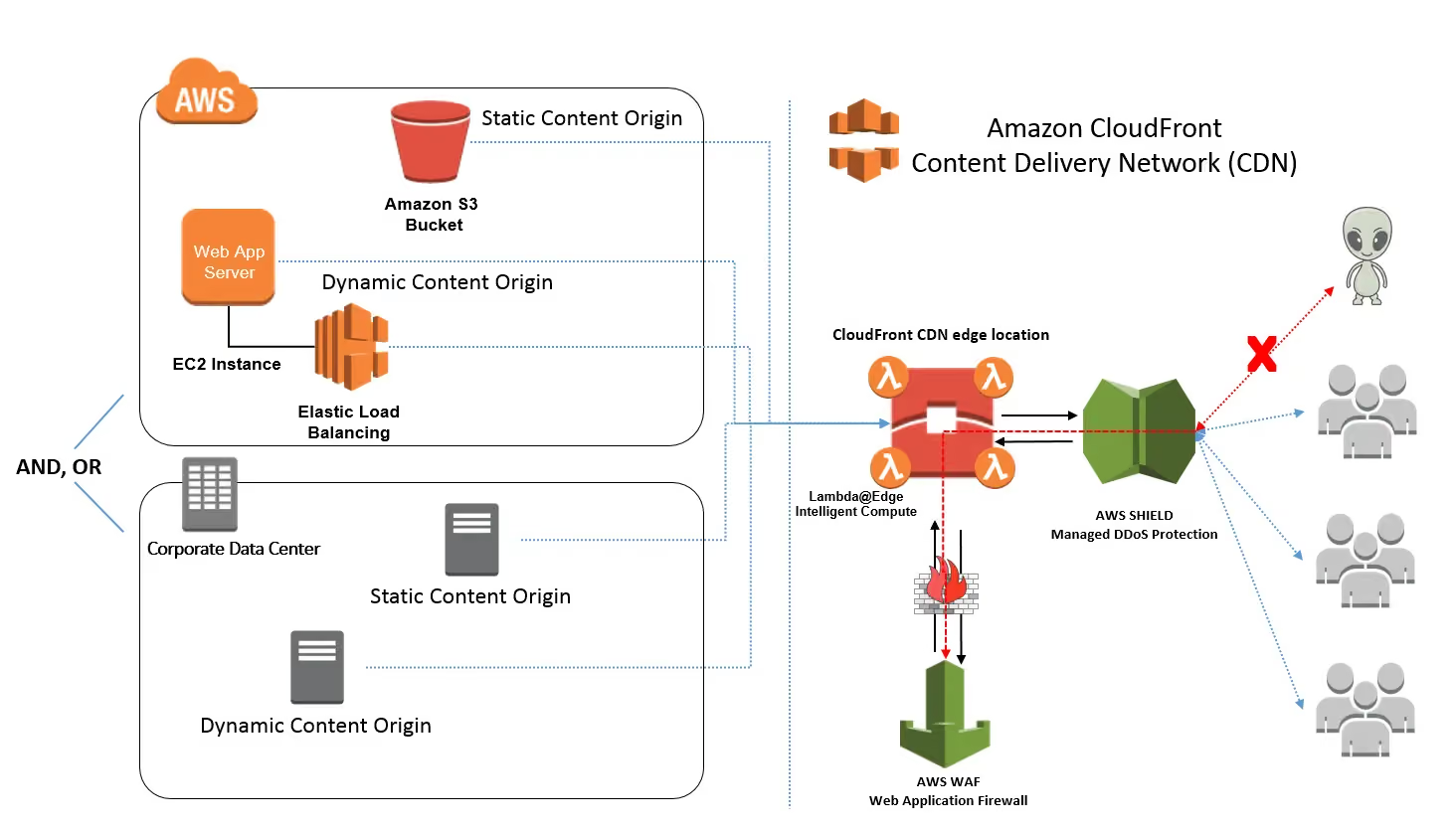
- DDoS protection: A CDN has the ability to detect and prevent Distributed Denial of Service (DDoS) attacks by filtering malicious traffic before it reaches the origin server.
- Protecting user data: Many CDN providers support SSL/TLS encryption, which helps secure data during transmission between the server and the user.
- Preventing malicious access: CDNs can block invalid requests, malicious bots, or brute-force attacks, helping to enhance website security.
Using a CDN offers many significant benefits, such as faster page load speeds, reduced load on the origin server, improved scalability, and enhanced security. If you are running a high-traffic website or serving users across multiple countries, implementing a Content Delivery Network is the optimal solution to ensure website performance and security.
Is a Content Delivery Network really necessary for your website?
While using a Content Delivery Network (CDN) offers many benefits, it is not necessary for every website. Below are the scenarios where you should or should not use a CDN to help you make an informed decision.
When to use a CDN
If your website falls into any of the following categories, implementing a CDN will help optimize performance, improve user experience, and enhance security:
1. High-traffic websites
Websites with thousands or millions of daily visits require a robust system to ensure fast loading speeds and reduce the load on the origin server.
CDNs help distribute traffic across multiple edge servers, preventing the website from crashing due to overload.
2. Websites with a global user base
If your website serves users in multiple countries, using a Content Delivery Network helps shorten page load times, reduce latency, and improve the user experience.
Example: A website with its server located in Vietnam but with many customers in the US and Europe. Without CDN, access speeds from distant regions will be significantly slower.
3. E-commerce websites, large blogs, and media content websites
- E-commerce websites: Require fast loading speeds to retain customers and optimize conversion rates (Conversion Rate).
- Large blogs and news sites: Contain a large amount of static content such as images, videos, CSS, and JavaScript that needs to be delivered quickly to enhance user experience.
- Media content websites (video, images): CDN helps deliver multimedia content smoothly, reducing buffering and lag when streaming videos.
When a CDN is not necessary
Not every website needs a CDN. If you own a small website with minimal content that primarily serves users in a specific local area, using a CDN may not provide significant benefits.
1. Small websites with low traffic
If a website only receives a few hundred to a few thousand visits per month, implementing a CDN may be unnecessary and could increase operating costs.
Example: For a personal blog or a small business website with limited static content, using a stable origin server is sufficient to meet your needs.
2. Websites serving a specific region
If a website only targets users within a single country, hosting the server in a local data center may be the optimal choice.
Example: For a website in Vietnam serving only domestic customers, a local server can be fast enough without the need for a CDN.
If you operate a high-traffic website, serve a global audience, or provide multimedia content, a Content Delivery Network is a vital tool for performance optimization. However, for small websites with minimal content that operate only within a specific region, using a CDN may not be necessary.
Popular Content Delivery Network providers
There are many CDN providers on the market, each with its own advantages tailored to specific needs. Below are some popular CDN services and their key features.
1. Cloudflare – Free, easy to use, and highly secure
Cloudflare is one of the most popular CDN providers, widely used by websites for its speed optimization and security capabilities.
- Offers a free plan with many useful features.
- Helps speed up page loading by caching static content on multiple servers worldwide.
- Provides DDoS protection and a Web Application Firewall (WAF) to secure websites.
- Easy to integrate with no need to change your origin server.
Cloudflare is suitable for personal websites, blogs, and small to medium-sized businesses looking to optimize speed without high costs.
2. Akamai – For large enterprises with high scalability
Akamai is one of the leading CDN providers for large enterprises, offering powerful scalability.
- An extensive server network that ensures fast content delivery to users globally.
- Supports website performance optimization and enhanced security.
- Provides services to protect websites from cyberattacks.
- Integrates technologies to optimize video and multimedia content delivery.
Akamai is well-suited for large enterprises, e-commerce sites, or high-traffic streaming platforms.
3. Amazon CloudFront – AWS-integrated, suitable for high-traffic websites
Amazon CloudFront is a CDN service within the Amazon Web Services (AWS) ecosystem that delivers content quickly and securely.
- Seamlessly integrates with AWS services such as S3, EC2, and Lambda@Edge.
- Provides fast page load speeds and reduces the load on origin servers.
- Supports security with SSL certificates and content access control.
- Suitable for large websites, web applications, and video streaming platforms.
Amazon CloudFront is ideal for businesses using the AWS ecosystem or high-traffic websites that need to optimize page load speeds.
4. Fastly – High speed, optimized for e-commerce websites
Fastly is a modern CDN provider focused on speed and flexible customization.
- Provides rapid content caching with low latency.
- Supports HTTP/3 to improve page load performance.
- Offers real-time analytics tools to help businesses monitor website performance.
- Used by many major platforms such as Shopify, Reddit, and BuzzFeed.
Fastly is suitable for e-commerce websites, news sites, or businesses that need to optimize page load performance quickly.

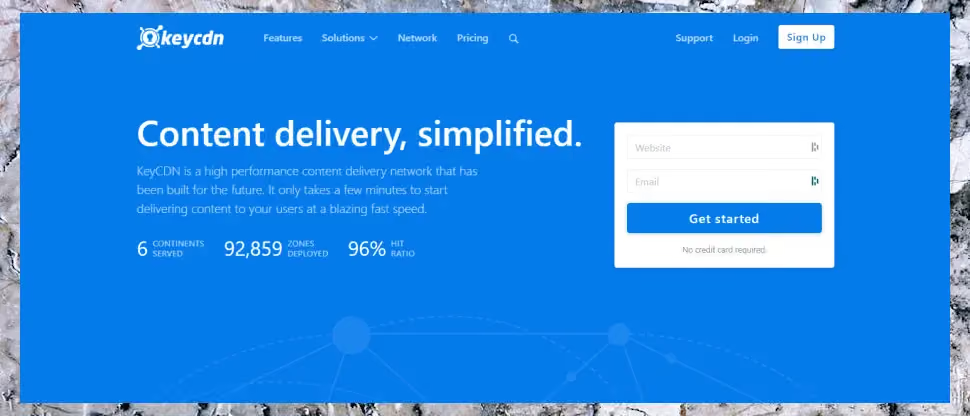
5. KeyCDN – Affordable and easy to use for small to medium-sized websites
KeyCDN is an affordable CDN solution, well-suited for small and medium-sized businesses.
- Offers competitive pricing with a pay-as-you-go model.
- Supports HTTP/2 and free Let’s Encrypt SSL.
- Easy to set up and integrates with various CMS platforms like WordPress and Joomla.
- Supports multiple global data centers to help increase page load speeds.
KeyCDN is suitable for small to medium-sized websites looking for a cost-effective CDN that still ensures high performance.
Each Content Delivery Network provider has its own advantages, depending on the needs of your website. If you need a free solution, Cloudflare is a suitable choice. For large enterprises requiring high performance, Akamai or Amazon CloudFront can meet those needs well. For e-commerce websites, Fastly is a powerful option, while KeyCDN is ideal for smaller websites looking to optimize costs.
Conclusion
Using a Content Delivery Network (CDN) not only helps increase page load speeds but also ensures your website runs stably, is more secure, and can handle high traffic volumes. However, not every website needs a CDN. If your website has low traffic and serves primarily a small geographic area, using a CDN may not be necessary. But if you want to optimize speed, reduce server load, and improve user experience, a CDN is a solution worth considering.