


Google Ranking plays a crucial role in determining a website's position on search engine results pages (SERPs). A high Google ranking helps a website attract more traffic, increase conversion opportunities, and enhance brand credibility. However, Google uses hundreds of factors to evaluate and rank websites. So, what is Google Ranking, and which factors have the greatest impact on Google Search Ranking? Let's join Markdao in exploring 7 key factors to help your website achieve a high ranking on Google!
What is Google Ranking?
Google Ranking refers to the position of a website within Google's search results. When a user searches for a keyword, Google displays a list of the most relevant websites in descending order. The position where a website appears on the search results page is known as its Google Ranking.
The higher a website's ranking, the easier it is to reach users and the more likely it is to receive clicks. The goal of SEO (Search Engine Optimization) is to improve Google Search Engine Ranking so that a website can achieve the highest possible position on Google.
The role of Google Ranking in SEO
Google Ranking plays a vital role in SEO strategy because it directly impacts:
- Organic Traffic: Websites with a high Google Search Ranking typically receive more clicks than those in lower positions.
- Website Credibility: Websites that rank highly on Google are generally more trusted by users than those in lower positions.
- Revenue and Conversions: For businesses, a high Google Ranking can lead to more potential customers, helping to increase sales and conversion rates.
Why should your website rank high on Google?
Achieving a high position on Google offers many benefits:
- Increased visibility: Websites appearing on the first page of Google have a much higher chance of reaching users.
- Reduced advertising costs: When a website has Google Ranking that is strong, businesses can save on their Google Ads budget.
- Competitive advantage: If your website has a higher Google Ranking than your competitors, you gain an edge in attracting potential customers.
How the Google ranking algorithm works
Overview of Google's ranking algorithm
Google uses complex algorithms to determine the Google Ranking of websites. This system is based on hundreds of factors, including content, backlinks, user experience, page load speed, relevance, and many others.
The Google Search Engine Ranking algorithm is constantly updated to ensure the most accurate and useful search results are displayed to users.
How Google crawls, indexes, and ranks websites
Google's ranking process takes place in three main steps:
1. Crawling:
- Google uses bots (Googlebot) to scan content across the entire internet.
- Googlebot follows links between websites to discover new or updated content.
2. Indexing:
- After crawling, Google analyzes and stores the content in its database.
- This process helps Google understand the website's content and identify relevant keywords to display in search results.
3. Google Ranking:
- When a user performs a search, Google evaluates the relevance and quality of websites to display the most appropriate results.
- Factors such as content quality, backlinks, page load speed, and user experience influence Google Ranking.
Key algorithm updates that affect rankings
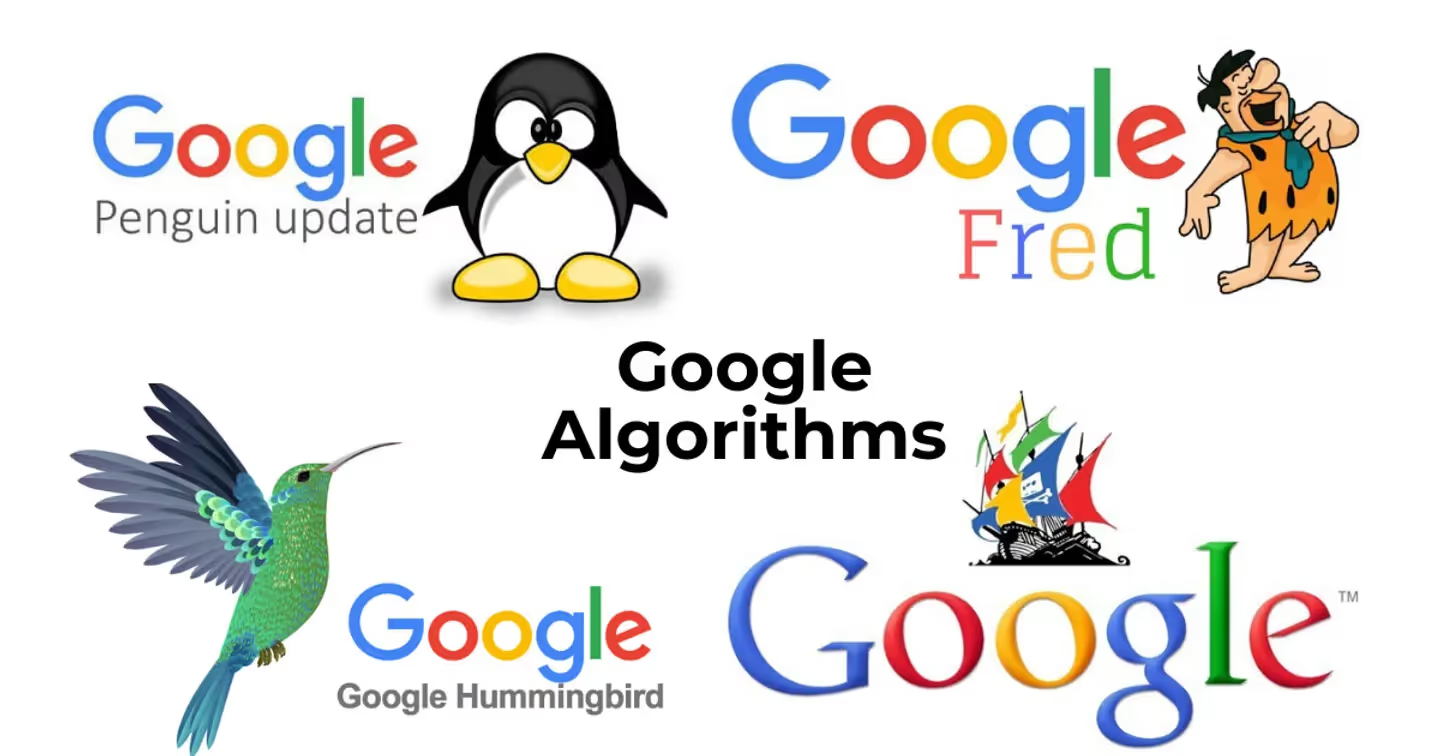
Google frequently updates its algorithm to improve search quality. Some key updates that affect Google Ranking include:
- Google Panda (2011): Targets websites with low-quality, duplicate, or spammy content.
- Google Penguin (2012): Addresses websites using unnatural or spammy backlinks.
- Google Hummingbird (2013): Improves the ability to understand the semantic meaning of search queries.
- Google Mobile-Friendly Update (2015): Prioritize mobile-friendly websites.
- Google Core Updates (2018 - present): Major algorithm updates aimed at improving the overall quality of search results.
7 key factors that determine website rankings on Google
Content Quality
The importance of unique, useful, and valuable content
Content is the most important factor affecting Google Search Ranking. Google values articles that provide useful information and meet user search intent. Quality content helps keep readers engaged longer, reduces bounce rates, and increases the likelihood of social media sharing.
How to optimize content
- Keywords: Use primary and related keywords naturally.
- Title Tag: Engaging titles that include important keywords for Google Ranking.
- Heading tags (H1, H2, H3): Help Google clearly understand the content structure.
- Keyword density: Avoid keyword stuffing; aim for about 1-2% of the total word count.
Long-form vs. short-form content: Which is more effective?
Statistics show that long-form articles (over 1,500 words) often achieve higher Google rankings because they provide more value and attract more natural backlinks. However, concise yet informative content can also rank highly if it effectively meets user needs.
For example:
- A 2,000-word blog post about Google Search Engine Ranking may attract more backlinks than a 500-word article.
- A short, concise guide can also achieve a Google Ranking if it aligns with the user's search intent.
Backlinks
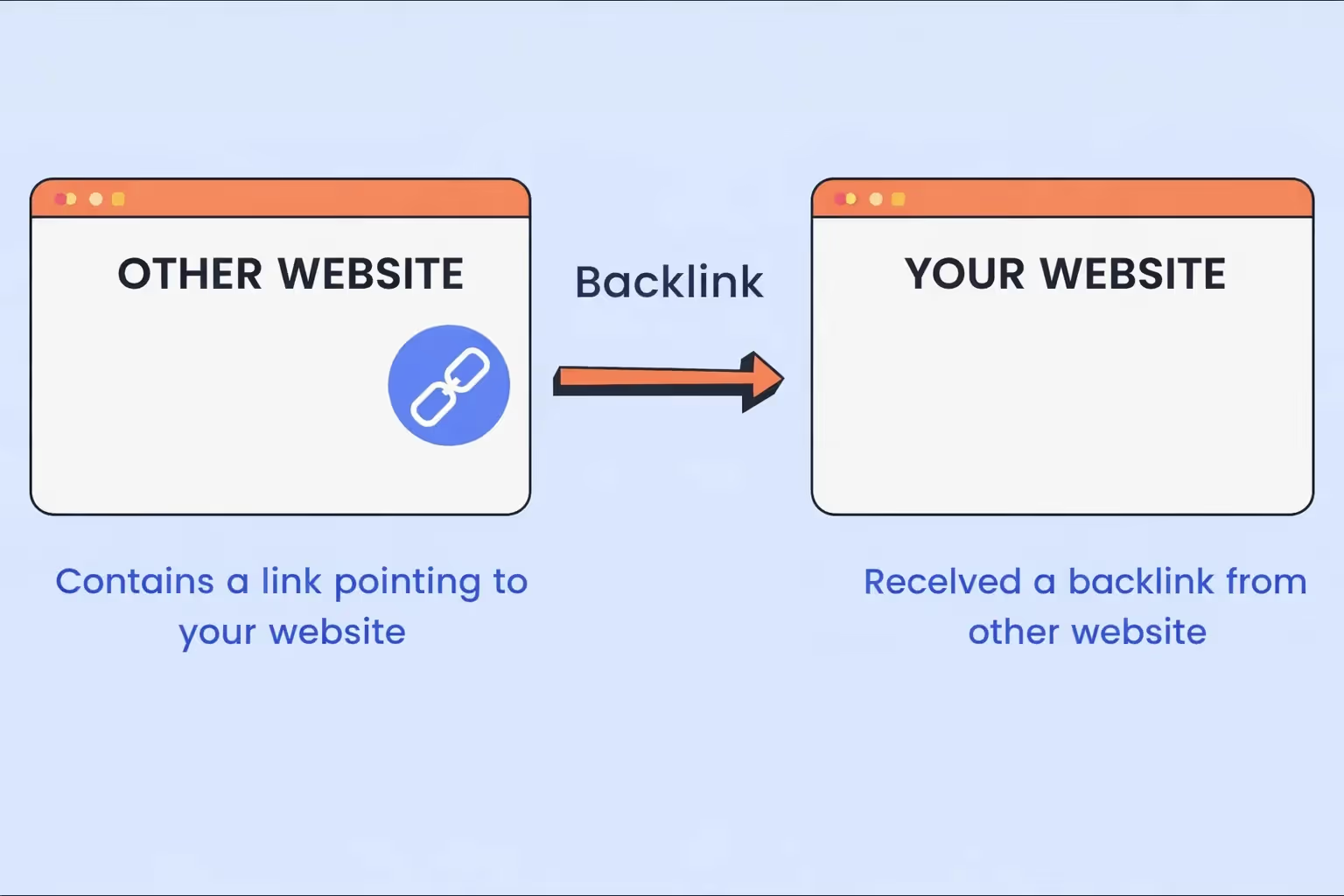
Backlinks are links from other websites pointing to your page. Google views backlinks as a signal of your website's authority, which directly influences Google Search Ranking.
How to build a high-quality backlink system
- Place backlinks on high-authority websites.
- Use guest posting on websites within the same niche.
- Create high-quality content to earn natural citations.
Distinguishing between high-quality and toxic backlinks
- High-quality backlinks: Come from reputable sites that are relevant to your topic.
- Toxic backlinks: Come from spammy, low-quality sites and can lead to Google penalties.
For example:
- Backlinks from major news outlets help improve Google Search Engine Ranking.
- Backlinks from spam sites can cause your Google Ranking to drop.
User Experience (UX)
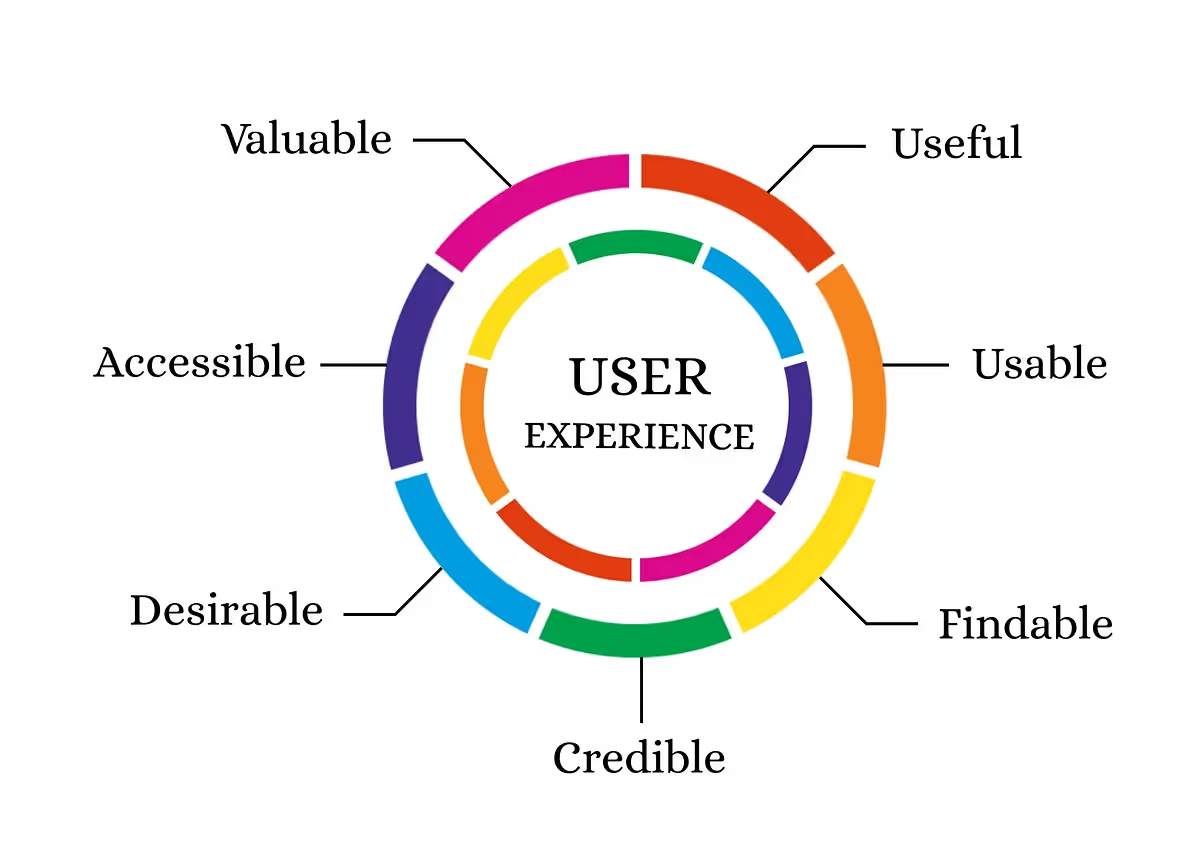
Google prioritizes fast-loading pages to improve user experience. A slow website can decrease Google Ranking.
Mobile-friendly web design
Google uses Mobile-First Indexing, prioritizing pages with mobile-friendly interfaces.
Easy-to-navigate website structure
- A clear menu structure helps users find information more easily.
- Breadcrumbs help Google understand the relationship between pages.
Example: A website with a load time of under 2 seconds usually has a higher Google Ranking than one that takes over 5 seconds to load.
On-page SEO optimization
The importance of title tags, meta descriptions, and heading tags
- Title tag: An engaging title containing keywords helps improve Google Ranking.
- Meta description: Summarize the content to encourage users to click on the article.
Images and alt tag optimization
Google cannot read images, but it can understand them through alt tags, which helps improve Google Search Ranking.
How to use internal links to improve rankings
Internal links help Google understand your website structure and increase time on page.
Example: A website with well-structured internal links keeps readers engaged longer, helping to increase Google Ranking.
Off-page SEO optimization
The impact of social media signals on Google Ranking
Google does not rank directly based on shares, but content with high engagement attracts more backlinks.
Digital PR techniques to build authority
- Being featured in reputable news outlets and blogs helps increase credibility.
- Combine SEO with marketing campaigns to boost Google Search Ranking.
Example: A viral post on social media can attract many backlinks, helping to increase Google Ranking.
Security and Technical SEO
- How HTTPS and SSL certificates affect SEO: Google prioritizes sites with the HTTPS protocol, which helps improve Google Search Engine Ranking.
- XML sitemaps and robots.txt help Google crawl data faster: Sitemaps help Google find new content faster, while robots.txt controls which content is crawled.
- Indexing capabilities and canonical URLs to avoid duplicate content: Canonical URLs help prevent duplicate content, ensuring Google Ranking is not affected.
Example: A website using HTTPS may achieve a better Google Search Ranking than an HTTP website.
User behavior signals
- Bounce rate and average time on page: A high bounce rate can be a sign that content is not engaging, which lowers Google Ranking.
- Click-through rate (CTR) affects rankings: Google evaluates CTR to determine the relevance of search results.
- Engagement and content sharing: The more content is shared, the higher its potential to rank on Google Search Engine Ranking.
Example: An article with a high CTR may be ranked higher by Google than an article with a low CTR.
To improve Google Ranking, you need to focus on quality content, backlinks, user experience, and technical SEO optimization. Maintaining a sustainable SEO strategy will help your website achieve high positions on Google Search Ranking and attract more traffic.
Tools to support Google Ranking optimization
Optimizing Google Ranking requires the support of website analysis and performance measurement tools. Below are some essential tools to help improve your Google Ranking and ensure your website performs at its best on the Google Search Engine.
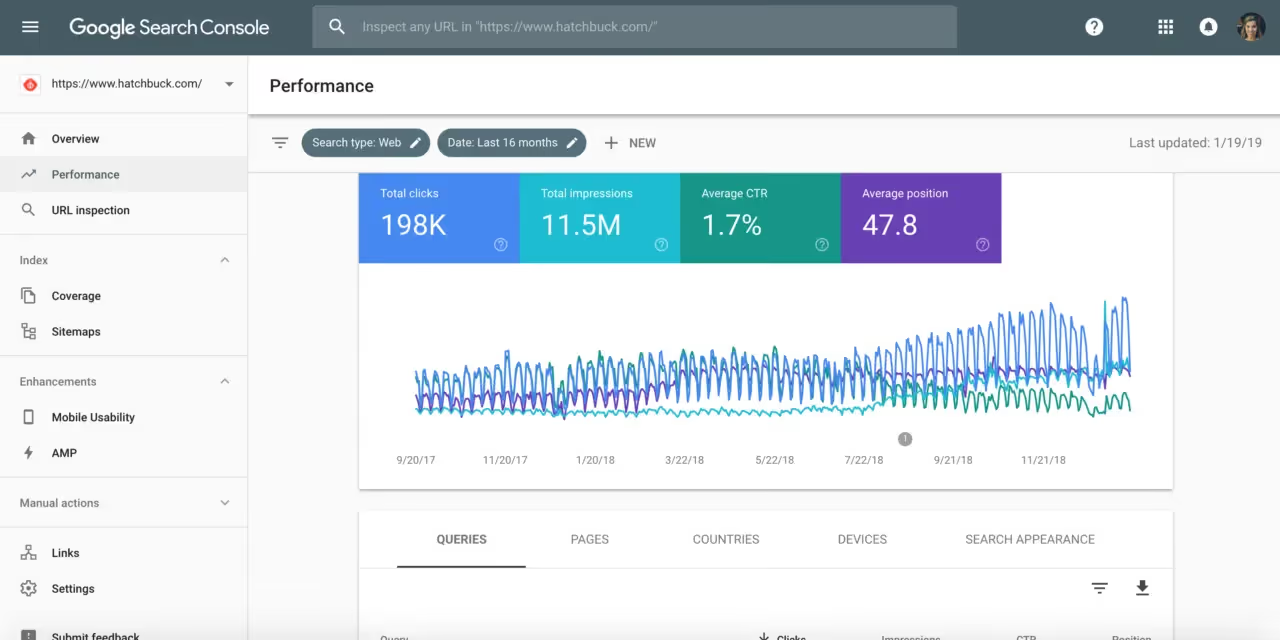
1. Google Search Console: Monitor search performance and fix technical issues
Google Search Console (GSC) is a free tool provided by Google that helps webmasters monitor and optimize the Google Ranking of their website. GSC provides data on search performance, click-through rates (CTR), impressions, and technical errors that affect Google Search Engine Ranking.
How to use Google Search Console to improve rankings
- Monitor search performance: Identify which keywords are driving traffic and optimize your content accordingly.
- Detect and fix technical issues: Resolve indexing errors, 404 errors, and page experience issues to avoid negatively impacting your Google Search Ranking.
- Submit an XML Sitemap: Help Google crawl your site faster and ensure new content is indexed promptly.
- Check Page Experience: Evaluate Core Web Vitals to optimize page loading speed and improve your Google Ranking.
2. Google Analytics: Evaluate traffic and user behavior
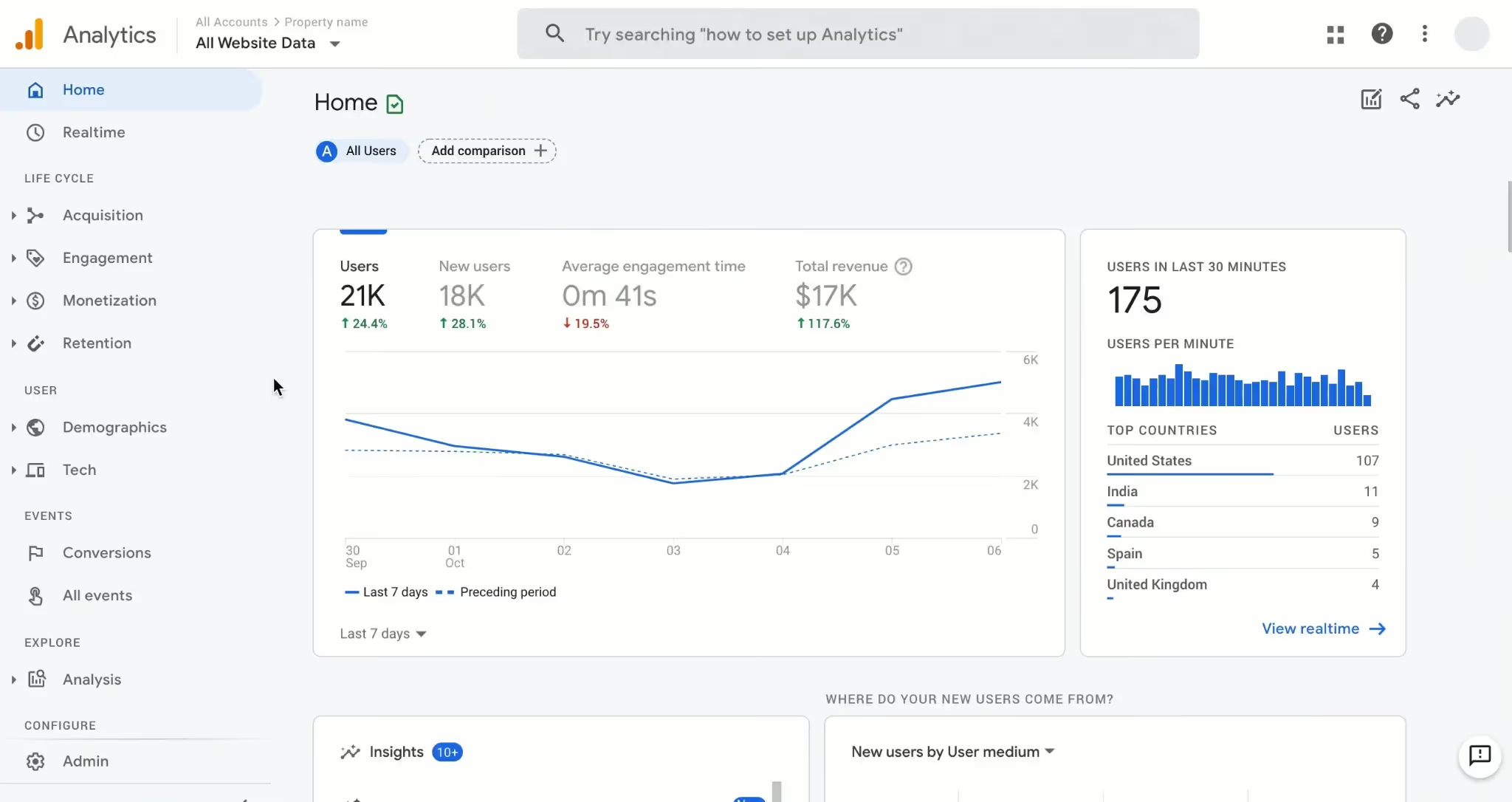
Google Analytics (GA) is an analytical tool that helps track and evaluate website traffic. This tool provides detailed data on users, time on page, bounce rate, and traffic sources, helping you optimize Google Search Ranking effectively.
How to use Google Analytics to optimize Google Ranking
- Identify high-performing pages: Enhance content for pages with high traffic to maintain Google Ranking.
- Monitor Bounce Rate: If the bounce rate is high, you can improve content or user experience to reduce the bounce rate and keep visitors on your site longer.
- Analyze traffic sources: Check traffic sources to optimize your SEO strategy.
- Evaluate user behavior: Check pages with high time-on-page metrics to understand what content users are most interested in.
3. Ahrefs, SEMrush, Moz: Tools for backlink analysis and keyword research
Ahrefs: Analyze backlinks and check competitors
Ahrefs is a powerful tool for tracking and analyzing backlink profiles to improve Google Ranking. Key features include:
- Backlink Checker: Analyze the quality of backlinks pointing to your website to build an effective link strategy.
- Site Audit: Identify technical issues affecting your Google Ranking.
- Keyword Explorer: Research keywords to optimize your SEO content.
SEMrush: Keyword research and comprehensive SEO optimization
SEMrush is an all-in-one SEO tool that helps you analyze keywords, backlinks, and competitors. Key features include:
- Keyword Magic Tool: Provides a list of potential keywords to help improve your Google Search Engine Ranking.
- Domain Overview: Compare your website against competitors to identify SEO optimization opportunities.
- SEO Audit: Identify and fix on-page SEO issues.
Moz: Domain Authority assessment and keyword ranking tracking
Moz is a useful tool for measuring website authority and tracking Google RankingKey features include:
- Domain Authority (DA): Scores a website's credibility, helping to evaluate its potential to rank on Google.
- Keyword Explorer: Find low-competition keywords to optimize your Google Search Ranking.
- Link Explorer: Check backlinks to help improve your Google ranking.

Using supporting tools like Google Search Console, Google Analytics, Ahrefs, SEMrush, Moz helps you track website performance, fix technical errors, and improve Google Ranking. Combining these tools with a sound SEO strategy will help your website achieve high rankings on Google and attract more traffic.
Conclusion
To improve Google Ranking, you need to optimize several key factors such as quality content, backlinks, user experience, and other SEO techniques. A comprehensive SEO strategy not only helps your website achieve better Google rankings but also delivers sustainable long-term value. By combining On-page, Off-page, and Technical SEO methods, you can boost your Google ranking, attract quality traffic, and maximize business efficiency. Start optimizing today so you don't get left behind in the race for Google rankings!