Your website is more than just an online presence; it is your daily representative negotiating rankings with Google. In 2025, the SEO game has changed: it is faster, smarter, and more focused on user experience. To avoid falling behind, you need to master the criteria for a SEO-friendly website . Join Markdao to discover the secrets to helping your website score points with Google and effectively retain customers!
What is an SEO-friendly website?
An SEO-friendly website (Search Engine Optimization) is a site designed and optimized to meet the criteria of search engines, especially Google. The goal of an SEO-friendly website is not only to improve search rankings but also to provide the best possible experience for users.

Characteristics of an SEO-friendly website:
1. Optimized structure:
- Clear layout, easy to navigate.
- Concise URLs containing relevant keywords.
2. Fast page loading speed:
- Optimize images and source code.
- Use technologies like CDN and caching to improve speed.
3. Mobile-friendly:
- Responsive design that displays perfectly on all screen sizes.
4. Quality content:
- Provide useful information that meets user needs.
- Content optimized with relevant keywords and meta tags.
5. Security technology integration:
- Use HTTPS to protect user data.
The role of an SEO-friendly website:
- Increase visibility: Easily appear on search engines, thereby attracting more organic traffic.
- Improve user experience: Visitors will be satisfied with the speed, interface, and content.
- Optimize conversion rates: Deliver real value through actions such as making purchases, filling out forms, or calling.
An SEO-friendly website is not just a technical standard but a sustainable strategy for building an online brand and achieving business goals.
8 criteria for evaluating an SEO-friendly website in 2025
In an increasingly competitive digital landscape, building a SEO-optimized website goes beyond basic technical optimization. In 2025, Google and other search engines have set stricter requirements to ensure the best possible user experience. Below are 8 key criteria to help you evaluate and optimize your website.
Fast and stable page loading speed
In the digital age, patience is a luxury. A slow-loading website not only causes users to lose interest but also directly impacts your SEO rankings. Google has confirmed that page speed is a critical ranking factor.
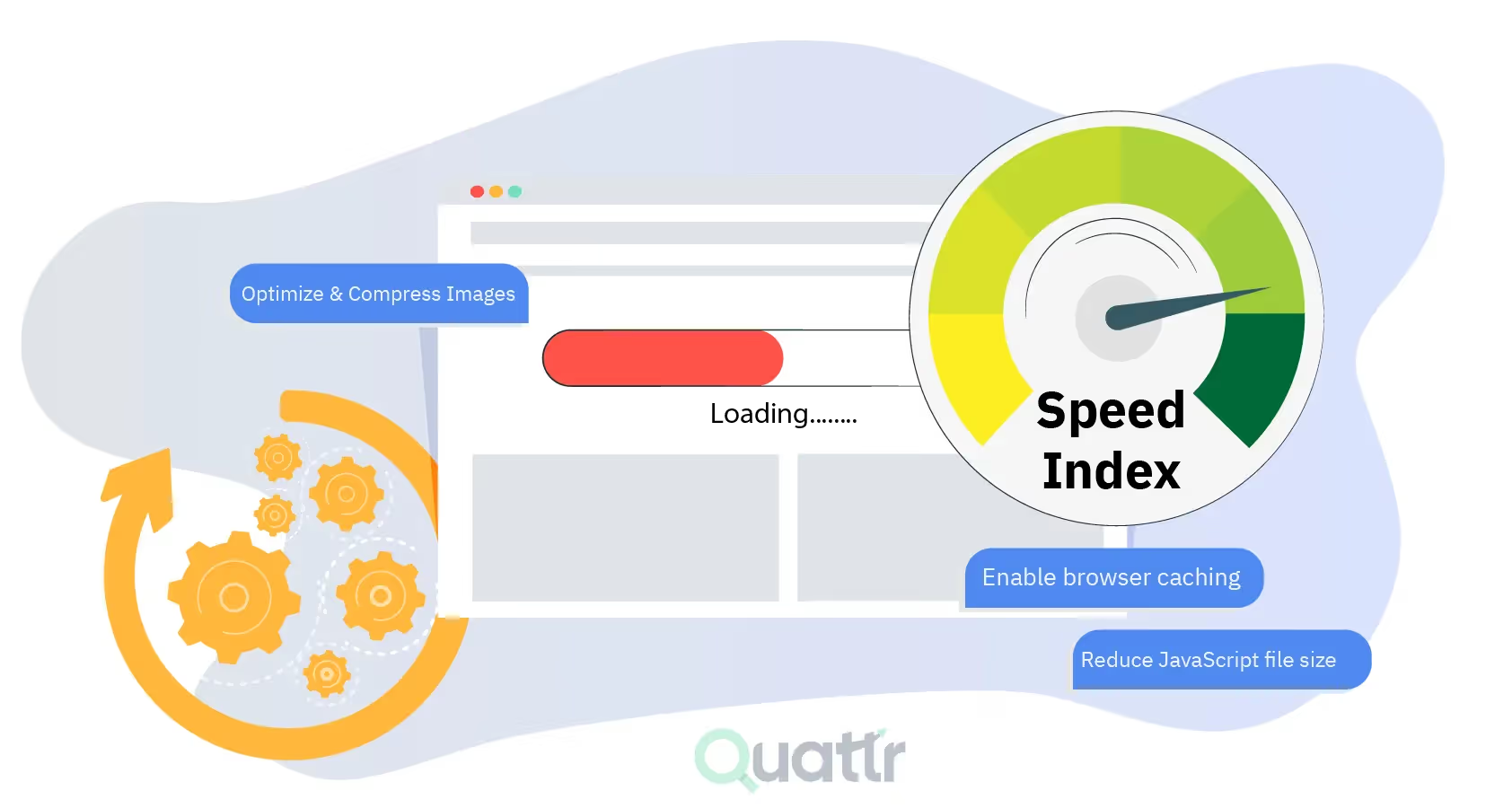
Research shows that if your website takes longer than 3 seconds to load, 53% of users will leave. Furthermore, Google considers page speed a key ranking signal, especially with the Core Web Vitals update.
Imagine a customer urgently looking for a product or information, but your website just won't load. When they leave, you lose not just a visit, but a potential conversion.
How can you make your SEO-optimized website meet the standards? Technologies like CDNs, file compression, and image optimization (using WebP format) are no longer optional—they are mandatory. Additionally, regular speed checks using tools like Google PageSpeed Insights will help keep your website running at peak performance.
User-friendly interface (UI/UX)
No one wants to stay on a cluttered, difficult-to-use website. An attractive, logical, and intuitive interface not only satisfies users but also boosts positive SEO signals. Google highly values websites that prioritize the user experience.

What does user-friendly mean? It means an interface that adapts to all devices, from desktops to mobile phones, ensuring everyone can use it easily. Clear navigation, logically organized content, and strategically placed calls-to-action (CTAs) will increase engagement.
Quality content and keyword optimization
Content is still king, but in 2025, it requires a higher level of sophistication and value. Users are no longer looking for superficial articles; they want solutions, stories, or truly useful information.
Instead of focusing on keywords mechanically, build content around the user's search intent. For example, if a user searches for "how to optimize SEO," they don't just want a list of tips—they need specific steps, recommended tools, or real-world case studies.
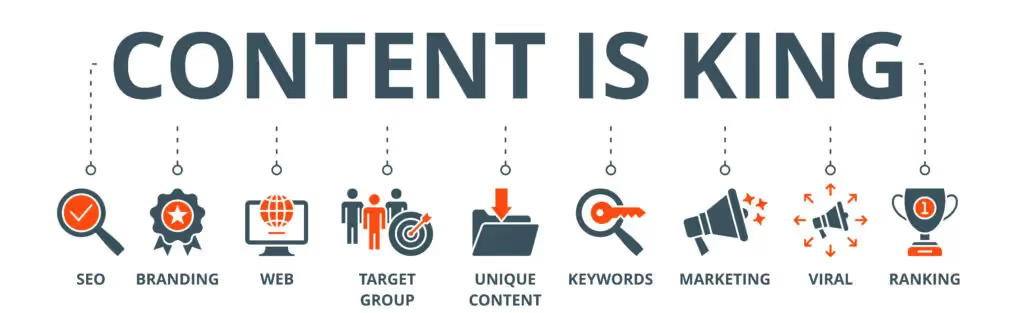
Google also prioritizes in-depth and relevant content. Therefore, use keywords naturally throughout your writing, while incorporating synonyms and related phrases to increase richness.
Additionally, quality articles should use multimedia such as images, videos, or charts to enhance visual appeal and keep readers engaged longer. An article SEO-friendly website isn't just about the mechanics; it must also resonate with the user's heart.
HTTPS integration and data security
In the digital world, data security is no longer optional—it is a requirement. An SEO-friendly website in 2025 must use HTTPS to ensure user safety. This not only builds trust but also directly impacts your Google rankings.
HTTPS acts as a shield, protecting user data from cyberattacks. If your SEO-friendly website still uses HTTP, browsers will warn users about security risks, discouraging them from visiting. This not only reduces traffic but also hurts your standing with Google.
Ensure that your SEO-friendly website has an SSL certificate and is updated regularly. User peace of mind is a key driver of your website's success.

Technical SEO optimization
Technical SEO is like the foundation of a house: if it isn't solid, everything built on top is at risk of collapsing. An SEO-friendly website must be technically optimized so that search engines can easily crawl and index it.
Key factors to focus on include:
- URL structure: Simple, readable, and containing primary keywords.
- XML Sitemap: Helps Google understand your website structure and crawl it more efficiently.
- Robots.txt file: Ensures only essential pages are indexed, preventing wasted crawl budget.
- Breadcrumbs: Improves navigation for both users and Google.
A technically sound website not only boosts SEO performance but also provides a smoother user experience.
Image and Video Optimization
Images and videos not only make content more engaging but also play a crucial role in optimizing a SEO-friendly website. However, if not handled correctly, they can slow down your site and negatively impact user experience.
Ensure all images are optimized for size and format (such as WebP). Don't forget to add alt text to describe the image content and help search engines understand it better.
For videos, embedding via platforms like YouTube or using compression technologies will help reduce the load on your SEO-friendly website. Multimedia content not only increases user dwell time but also helps you stand out in search results.
Building Quality Links (Internal and External Links)
Links are the bridges that make your content stronger. A SEO-friendly website requires a clear link-building strategy:
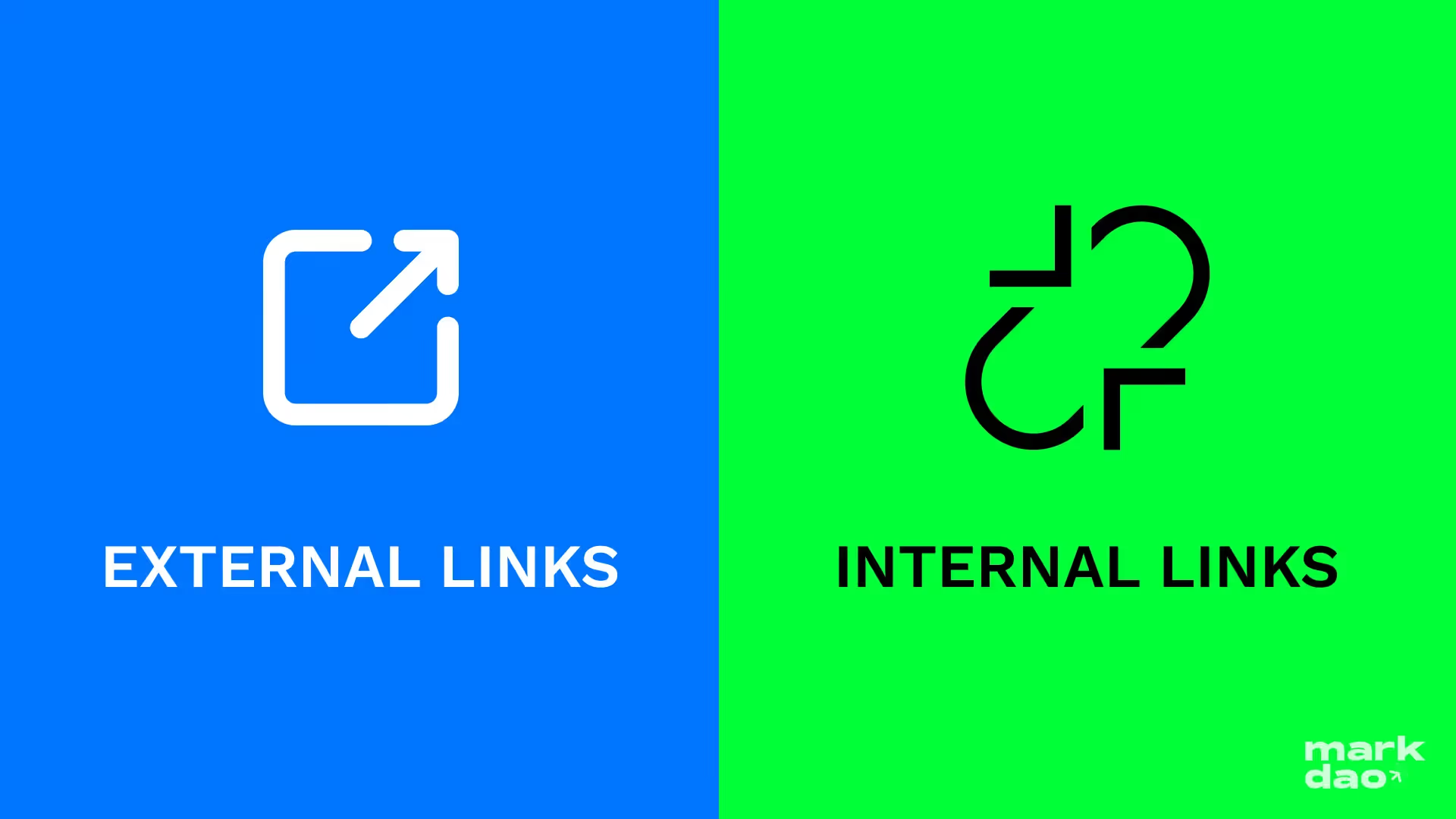
- Internal Links: Enhance connectivity between pages, making it easier for users to discover related content.
- External Links: Direct users to credible sources to strengthen the authority of your content.
However, not all links are valuable. Low-quality or spammy links will diminish the credibility of your SEO-friendly website. Ensure that every link is thoroughly vetted and provides genuine value to the user.
Integrate analytics and measurement tools
You cannot improve what you do not measure. Integrating tools like Google Analytics or Google Search Console is essential.
These tools help you track traffic, user behavior, and the performance of individual pages. Through them, you can implement timely optimization strategies, from improving content to increasing page load speeds.
Furthermore, by 2025, advanced analytics tools such as AI-driven analytics will become mainstream, helping you predict trends and optimize your website more intelligently.
Key considerations for SEO-friendly website optimization in 2025
As you begin optimizing your website to meet 2025 SEO standards, there are several important points you cannot overlook. To ensure your website is not only user-friendly but also captures Google's attention, keep the following in mind:
- Update content consistently and timely: No one wants to read outdated articles, and neither does Google. To keep your website relevant, you need to update your content regularly, adding new information that aligns with current trends. Content is never "dead" as long as you know how to refresh it.
- Don't forget to optimize for Voice Search: With the rise of virtual assistants like Siri, Google Assistant, and Alexa, voice search has become a major trend. Users tend to ask longer, more specific questions when using voice search. To leverage this, optimize your content with natural, specific questions and use long-tail keywords.
- Focus on User Experience (UX): A SEO-optimized website must be more than just technically optimized; it must also be user-friendly. An intuitive interface, fast loading speeds, and smooth interactions will encourage users to stay longer and return in the future.
- Build relationships with users via social media: Actively sharing your content on channels like Facebook, Instagram, LinkedIn, or TikTok will help generate consistent traffic for your SEO-optimized website. Every share, comment, and interaction serves as a positive signal to Google, proving that your content is genuinely useful and trustworthy.
- Implement Mobile SEO: With the increasing use of mobile devices for web browsing, mobile SEO has become indispensable. Google uses mobile-first indexing, meaning it evaluates the mobile version of your website before the desktop version.
- Focus on E-E-A-T (Experience, Expertise, Authoritativeness, and Trustworthiness): To build E-E-A-T, you need to provide accurate information, cite reputable sources, and establish trust with your users. Including certifications, user reviews, or links from highly reliable websites is a great way to enhance the E-E-A-T of your SEO-optimized website .
- Don't overlook Local SEO: Google increasingly prioritizes local search results, especially for intent-based queries (e.g., "car repair shop near me"). Ensure you optimize your Google Business Profile, address, phone number, and other details to easily appear in local search results.
SEO optimization is an ongoing process that evolves over time. However, if you master these points, your website will consistently rank at the top and deliver high performance. Always test, measure, and adjust to ensure you don't get left behind.
Markdao in building SEO-optimized websites
Markdao is an agency specializing in website design combining creativity with SEO optimization, helping brands not only stand out with unique interfaces but also be easily found on search engines.
We understand that an SEO-friendly website must be more than just beautiful; it must be easy to optimize and provide an excellent user experience. Therefore, every website Markdao builds is optimized from content and loading speed to structure and critical technical SEO elements. This helps your brand not only attract users but also achieve high rankings on search engines, delivering sustainable business results.
Let Markdao help you build a website that is not only beautiful but also powerful and ready to compete in the digital landscape!