


Guide to how to design a website in 5 steps for beginners:
- Find a reliable website design platform (Webflow, Elementor, Wix, Squarespace)
- Choose a pre-made theme for your website
- Customize and arrange the pre-made design elements for your website
- Optimize website content according to On-page SEO structure
- Review the website design on mobile devices and publish
Web design to showcase products/services not only helps businesses easily reach potential customers but also allows them to build their brand image effectively. However, owning a high-quality website requires thorough research and a significant time investment. To succeed, businesses cannot just stop at having a website; they must aim to build an effective, high-quality site.
So, how can a business own a website to showcase its products/services? To own a truly effective and high-quality website, you can refer to the 7-step website design process detailed below.

What is web design?
Are you wondering what "web design" is? Why is it so important and necessary for businesses? This article will help answer your questions!
What is the correct understanding of the concept of Web design?
Simply put, website design is the process of creating a site for a business to meet its needs for showcasing products/services and building its brand image. In today's technological era, with the growing demand for online shopping, professional and effective web design is the best solution for businesses to reach potential customers easily and quickly. In other words, a website is now the face and the digital business card of a company, allowing them to welcome, interact, and transact with customers via the Internet.
The main job of a web designer is to build and design a website that is harmonious and suitable for the specific industry and field in which each business operates, from content to appearance. With this goal, web design allows businesses to own a unique website that carries their own distinct characteristics
and builds the most unique image in the market. In addition to designing an eye-catching and attractive website by creating unique and interesting visuals (logos, banners, videos, etc.) and arranging a logical layout for the website sections (positioning toolbars, menus, etc.), polishing the website content is also an extremely important and necessary task (regularly creating and delivering useful content to customers, and helping customers stay updated on the business's latest programs and information).
Why do businesses need web design?
It is certainly no coincidence that the term "web design" has become increasingly popular and common for most businesses today. There are 4 main reasons why businesses consider it a top priority:

1. Customers use the Internet every day, every hour
According to VTV statistics as of the end of 2017, Vietnam had over 64 million Internet users, ranking 6th in Asia and 12th in the world, most of whom are
young people—a demographic with an extremely high demand for shopping. Furthermore, in recent years, the trend of online shopping has been developing strongly and has become a
vibrant market in the business sector. Not only that, most consumers today have a habit of using the Internet to search for information related to businesses, products, and services before making a purchase. Naturally, transactions conducted via the Internet, such as booking hotel rooms or buying flight tickets, are highly valued by consumers for the convenience and speed they provide.
In today's digital economy, if a business does not have a website, it is directly losing the opportunity to reach potential customers while simultaneously reducing its competitiveness against other businesses.
2. Sell anytime, anywhere
Web design is an effective solution that allows businesses to operate 24/7. Customers can access a business's website at any time and from anywhere to query product/service information and make purchases. Obviously, this is extremely convenient for customers, which in turn makes them more satisfied with their online shopping experience. This is a major plus for businesses in terms of customer interaction and brand nurturing. Additionally, online shopping helps businesses maximize sales opportunities and significantly boost revenue.
3. Save on business costs
With a website, a business can easily own an "online store" without having to pay high costs for renting space, hiring staff, maintaining facilities, etc., as required by a physical store. This helps save business costs effectively. On the other hand, through a sales website, businesses and customers can conduct transactions easily and quickly; for example, customers can make payments conveniently via ATM cards or other electronic payment methods.
4. Build and nurture the business's brand image and reputation
An effective website design, high-quality in both content and appearance, will easily make a good impression, attract customers, and build brand trust. Consequently, businesses can increase orders and significantly boost sales.
7 simple yet effective steps to web design
So, how do you design an effective website for your business? To build a truly effective and high-quality website in terms of both content and appearance, in addition to choosing a good service provider, businesses should keep the following 7 steps in mind:
Overview of the web design process
- Define goals: Businesses need to discuss with their web design service provider to clearly identify the target audience they want to reach through their online store. At the same time, they should establish the business's criteria for their online store.
- Project planning: Once the goals are clearly defined, the business and the web design service provider will plan the website construction project. Specifically, this includes determining the number of pages, the functionality of each page, and the project timeline.
- Sitemap and wireframe creation: Next, the business and the service provider will begin building a detailed sitemap that fully outlines all pages of the website and the specific functions of each page.
- Content development: This is a critical stage that determines the quality and effectiveness of the website. Content for individual pages must be optimized to align with the overall theme and be search engine friendly.
- Visual design: It is time to polish the look and feel of the website! The web design service provider will begin building the site according to the layout, color scheme, imagery, and style requirements specified by the business.
- Website testing: At this stage, the website is nearly ready for operation. However, to ensure optimal performance and guarantee that no errors occur upon launch, the business and the design team must conduct a testing phase. Configure display settings so that customers can access the site. The business and the service provider will monitor and analyze the website's performance to make necessary adjustments and improvements.
- Launch the website! Once you are certain that everything is working properly, it is time to plan and execute your website launch! Your plan should include a clear launch schedule and communication strategy. Specifically, determine when your site will officially go live and how you will make customers aware of it.
7 simple steps for effective web design
1. Define your goals:

Before deciding to design a website, a business needs to clearly identify the target audience they want to reach through their "online store." You can use the following questions to help identify your target audience:
- Who is the website's target audience?
- What information can customers find on this website?
- What is the primary purpose of the website? Sales? Providing information? Or entertainment?
- Does the website need to convey the brand's message?
- Are there competing websites? If so, how should your website be built to stand out from the competition?
This is considered one of the most important stages in the web design process. If a business cannot clearly define its target audience from the start, the website will not be able to reach its full potential, no matter how beautiful it is.
Tools for the website goal-setting stage:
- Audience personas
- Advertising directory
- Competitor analysis
- Brand attributes
2. Project planning:
One of the most challenging aspects of the web design process is initial scoping and project planning. A business sets a goal, but that goal will constantly evolve and expand. It may even change entirely from the original vision. A web design provider doesn't just build a website that is comprehensive in content and form for the business; they also create web applications, email systems, and notification workflows.
A Gantt chart is used at this stage as a tool to help both the business and the service provider manage and control the project more easily by presenting activities and tasks against specific timelines. In other words, a Gantt chart is a roadmap that allows the business and the service provider to see which activities and tasks need to be performed and when they need to be completed.
Project planning tools:
- Roadmap
- Gantt chart
3. Creating sitemaps and wireframes:
A sitemap is the foundation of an effective, high-quality website. With a sitemap, both the service provider and the business can easily visualize the website's information architecture and specify the relationships between different pages and content elements.
Designing a website without a sitemap is like building a house without a blueprint. Naturally, it is very difficult to achieve a good result.
The next step is building a wireframe, an indispensable part of the website design process. A wireframe is a visual tool used to present and store proposed visual design elements (functionality, structure) and website content. In other words, a wireframe is a detailed blueprint of the functions, structure, and content displayed on the website. Wireframes also help identify issues or flaws present in the sitemap.
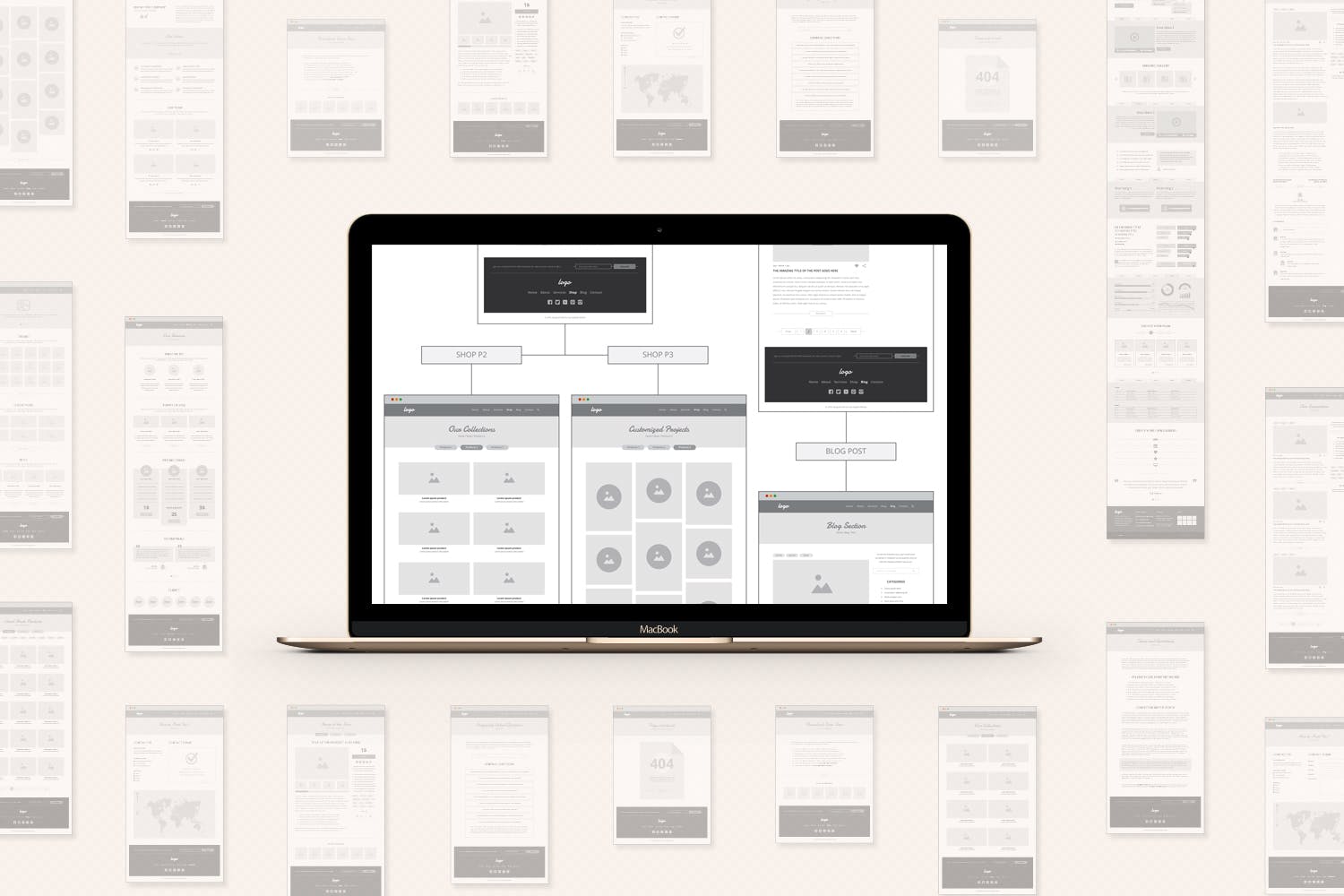
Although a wireframe does not contain any final design elements, it serves as a guide for the website's appearance. Some designers use tools like Balsamiq or Webflow to create their wireframes.
Tools for sitemap and wireframe creation:
- Pen/pencil and paper
- Balsamiq
- Moqups
- Wireframing
- Axure
- Slickplan
- Writemaps
- MindNode
4. Content Creation:
Once the sitemap is established, it is time to begin the most critical phase of the web design process: creating and building website content.
Two primary goals of content creation:
1. Creating content that drives customer action
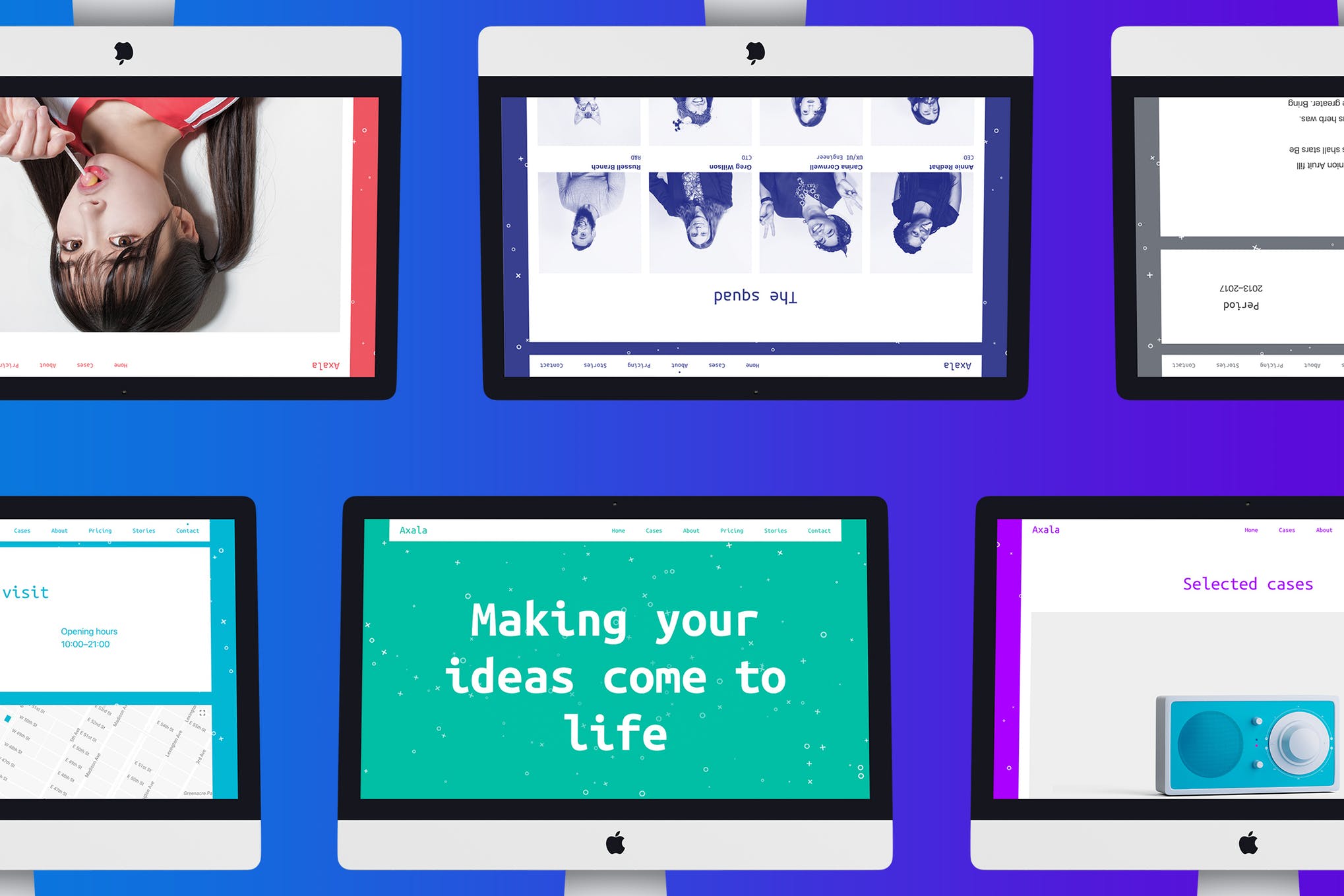
Useful content attracts visitors to your website and encourages them to take the necessary steps to achieve the site's main objectives. To accomplish this, a business website must optimize both the content (text) and the way it is presented (typography and layout).
Content that lacks value or is overly wordy is unlikely to reach customers. Instead, articles of appropriate length with engaging content and clear layouts will easily attract customers and encourage them to click through to other pages. If your pages need to convey long-form content, it is recommended to break the text into shorter paragraphs to avoid overwhelming the reader. Useful content with a clear layout always leaves a positive impression and makes customers feel more comfortable. This is an essential and crucial factor that businesses must keep in mind when designing a website.
2. Search engine optimization:
Content plays a vital role in increasing a website's visibility on search engines. The process of creating and building high-quality content to improve a website's ranking on search engine results pages during the design process is known as Search Engine Optimization, or SEO.
Possessing a relevant, high-quality set of keywords is a key factor in the success of the web design process. You can use Google Keyword Planner to build your keyword list. With this tool, you can determine the search volume for potential keywords and phrases, allowing you to build an appropriate keyword strategy for your website. Additionally, Google Trends is a useful tool that allows you to identify keywords frequently searched for by customers.
An effective and high-quality web design must be built based on SEO standards. To successfully rank for keywords and optimize your website on search engine results pages, you must include keywords in your website's main headings and subheadings. Specifically, keywords should appear in H1, H2, and H3 tags, meta descriptions, and all content presented on the website.
There are two ways to build content for a website. The business and the web design service provider can collaborate to publish SEO-friendly content (content with strategically placed keywords): the business provides the articles, and the service provider offers advice on keyword placement and edits the content to meet SEO criteria. Alternatively, the business can provide content requirements, and the web design service provider will be responsible for producing SEO-friendly content—meaning useful articles with clear layouts and well-integrated keywords.
Content publishing tools:
- Google Docs
- Dropbox Paper
- Quip
- Gather Content
- SEO Tools
- Google Keyword Planner
- Google Trends
- Screaming Frog’s SEO Spider
5. Visual design:
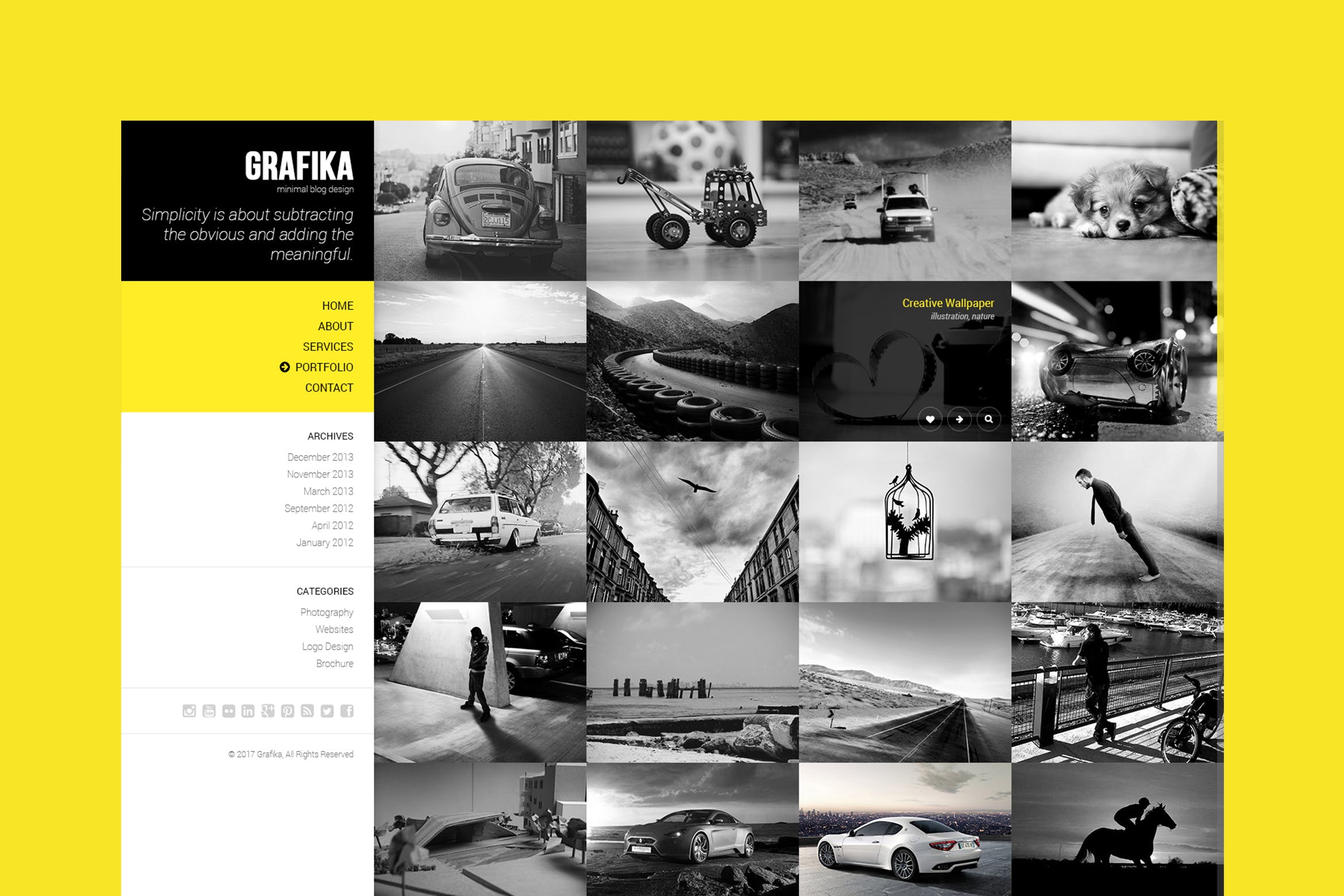
It is finally time to invest in the look and feel of your website! This web design phase relies on existing brand elements, color palettes, and logos, depending on the client's requirements.
In web design, we cannot overlook imagery. High-quality images not only provide a professional look for an e-commerce site but also convey
the business's message, thereby building brand trust with customers. Therefore, website images must be responsive across all interfaces: mobile phones, computers, tablets, and more.
Visual content plays a crucial role in performance and quality. Customers are easily drawn to unique, impressive images, which in turn
significantly increases clicks, engagement, and revenue. The more images you have, the easier it is for your website to reach customers. Naturally, customers always find it
easier and more comfortable to absorb a business's message and content through vivid images compared to reading blocks of text.
Our advice to businesses is to find a web design service provider capable of publishing high-quality, unique, and eye-catching images. Remember, the better and more beautiful your images are, the more traffic you will attract to your website. Optimizilla is a great suggestion for you to obtain high-quality images. This tool allows you to compress images while ensuring their quality remains unchanged, saving page load time while maintaining beautiful visuals.
Visual design is a way to communicate with and attract users to your website. Invest well in this phase to thoroughly maximize your website's chances of
success.
Website design tools:
- Usual suspects (Sketch, Illustrator, Photoshop, etc.)
- Moodboards, style tiles, element collages
- Visual style guides
6. Testing:
Once your website is fully optimized in terms of content and design, it is ready for the testing phase.
Carefully check each page to ensure all links work correctly and that the website performs well on both mobile devices and desktops (frameworks). During this stage, you may discover certain technical issues, such as coding errors, which can be difficult to detect and even harder to fix. Therefore, strive to perfect both the content and design as much as possible to avoid complex issues that require significant adjustments later.
Note: We recommend using Screaming Frog SEO Spider for this testing phase. It allows you to perform a large number of checks and audits within a single tool, and it is completely free for up to 500 URLs.
Thoroughly review the title tags and meta descriptions for every page. The hierarchy of your heading tags can also impact performance and search engine friendliness.
Webflow has an excellent article on the standard process for preparing a website for its official launch.
Tools for website testing and auditing:
- W3C Link Checker
- SEO Spider
7. Launch your website!
The most anticipated stage has finally arrived! You can now officially launch your website. Once everything has been thoroughly checked and you are satisfied with both the content and the design, it is time to go live. Don't expect your site to run perfectly right away; there will inevitably be minor issues to address. Web design is an ongoing process that requires regular maintenance. But don't worry—your web design provider will always be ready to help you troubleshoot any issues related to both the content and the functionality of your site.
Effective web design is simply about balancing form and function. You must use the right fonts, colors, and design templates. However, how people interact with and experience your website is equally important. A reputable and professional service provider must be able to balance the look and feel of the site with its functionality, building a search-engine-friendly website that is optimized in both design and content.
Note: Even though the website is officially live, it doesn't mean the work is over. Optimizing content and design is an endless journey. Once your site is online, you must continue to test new content and features, while regularly monitoring, analyzing, and managing your messaging.
In today's digital age, a website is a powerful tool that helps businesses increase their market competitiveness. We hope this article has given you a more comprehensive view of websites and the steps a quality web design agency will take when partnering with your brand.
See more: What should you keep in mind to design a beautiful website?
Need more advice? Contact us today for a free consultation!
Phone: +84 28 7109 9090
Email: info@markdao.com.vn