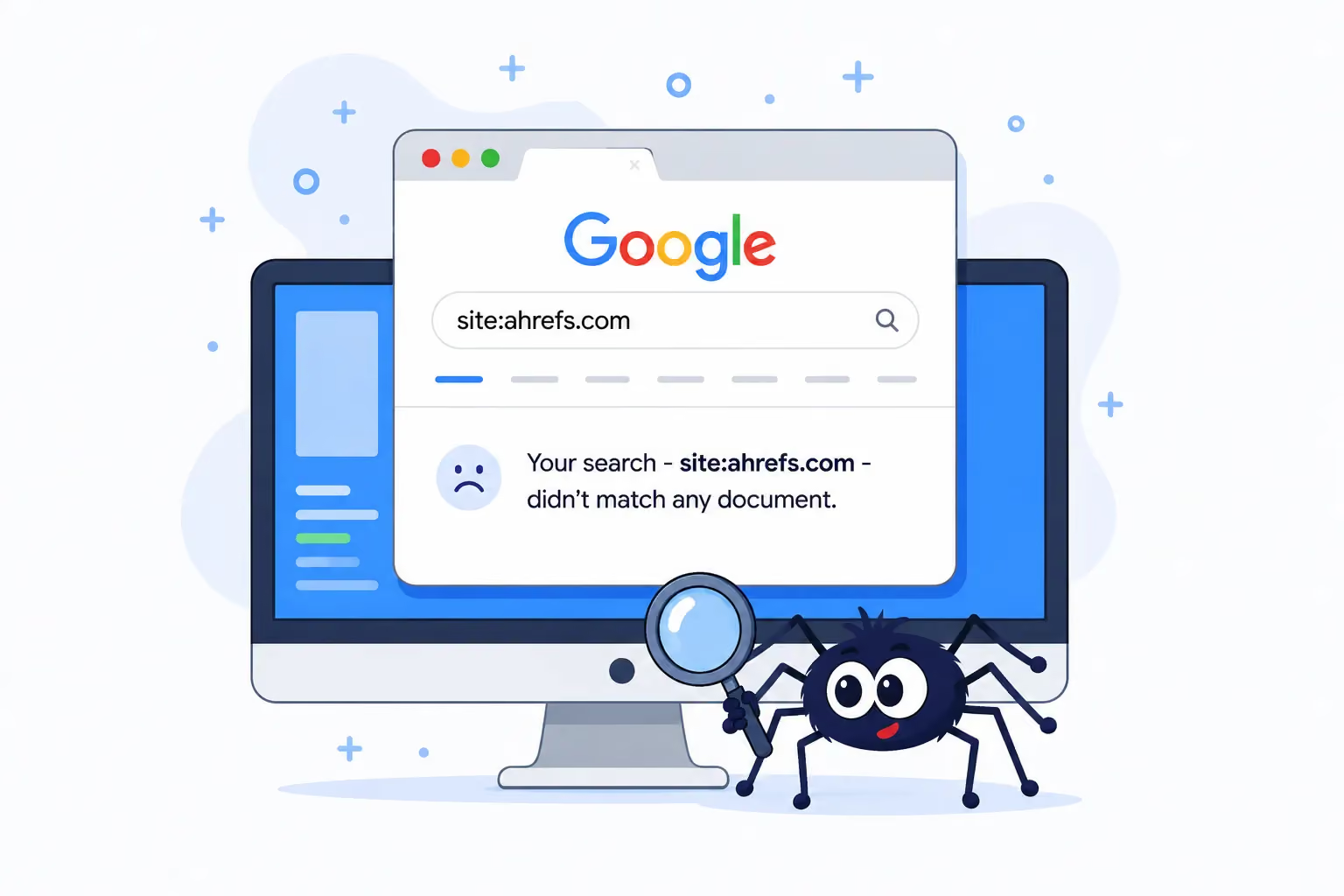


SEO is not just a race for Google rankings; it is a battle between three schools of thought: Black hat SEO, white hat SEO, and gray hat SEO. While white hat SEO helps websites grow sustainably according to Google's guidelines, black hat SEO chooses a risky shortcut using deceptive tactics. And what about gray hat SEO? It is the intersection of these two extremes, capable of delivering quick results but also carrying the potential risk of penalties.
So, what is black hat SEO ? Should you use it? Let Markdao help you explore and compare these SEO methods to determine the best strategy for your website!
What is black hat SEO?
Black hat SEO (Black Hat SEO) is a set of website optimization techniques aimed at manipulating search engine rankings through unconventional means. This method exploits vulnerabilities in Google's algorithms to quickly push a website to the top without adhering to standard webmaster guidelines.
Black hat SEO does not focus on providing real value to users; instead, it primarily aims to deceive Google to achieve high rankings in a short period. However, because it violates Google's rules, websites using black hat SEO are at risk of severe penalties, or even being removed from search results entirely.

The goal of black hat SEO
Individuals and businesses that use Black hat SEO with the following goals:
- Rapidly increase website rankings to gain an advantage over competitors.
- Attract high traffic in a short time without investing in quality content.
- Optimize SEO costs and time, rather than building a long-term strategy like white hat SEO.
- Achieve quick profits from advertising or online sales before the website is penalized by Google.
While these goals may be tempting, black hat SEO is not a sustainable strategy. Websites that use black hat SEO are often detected and penalized by Google, causing serious damage to brand reputation and revenue.
Consequences and risks of using black hat SEO
Website penalties from Google: Google continuously updates its algorithms to detect and handle non-compliant websites. Some key algorithms related to combating black hat SEO include:
- Google Panda: Targets pages with low-quality, duplicate, or spammy content.
- Google Penguin: Handles websites with unnatural backlink profiles or link spam.
- Google SpamBrain: Uses AI to detect and remove spam websites from search results.
When detected by Google, a website may face penalties such as:
- Significant ranking drops, causing the website to lose a substantial amount of traffic.
- Removal from the search index (deindexing), making the website no longer visible on Google.
- Loss of potential customers due to a sudden drop in traffic.

Damage to brand reputation: Websites that use black hat SEO often feature low-quality content, poor user experience, or intrusive advertising. This can diminish customer trust in the brand, negatively impacting conversion rates and revenue.
Costly recovery: When a website is penalized by Google, businesses must invest significant time and resources to recover. Removing toxic backlinks, improving content, or submitting a Reconsideration Request to Google can take months or even years, with no guarantee of success.
Short-term gains, long-term risks: Black hat SEO may help a website achieve high rankings quickly, but in the long run, the consequences far outweigh the temporary benefits. Once penalized by Google, a business risks losing its entire online presence and struggling to regain customer trust.
Therefore, for sustainable growth, adopting white hat SEO strategies and adhering to Google's guidelines is a much better choice than black hat SEO.
8 common black hat SEO techniques
black hat SEO use various tactics to manipulate search engines and achieve high rankings in a short period. Below are the most common techniques:
1. Keyword Stuffing
Keyword stuffing involves repeating keywords excessively within content, meta tags, or other parts of a website to boost search rankings. This makes the content unnatural, difficult to read, and degrades the user experience.

Google can detect and penalize websites using this tactic by lowering their rankings or removing them from search indexes entirely.
You can refer to our article Keyword Density how much is good for website SEO to learn more about this topic!
2. Cloaking
Cloaking in Black Hat SEO is a technique that displays different content to users and search engines. A page might contain keyword-optimized content for Google to crawl, but when users visit, they see completely different content, often advertisements or irrelevant pages.
Google considers cloaking a deceptive practice and may impose severe penalties, including removing the website from search results.
3. Buying and spamming backlinks
Building an unnatural backlink system by purchasing links from other websites or creating mass links on forums, blogs, and classified sites to manipulate Google's algorithm is considered a form of Black Hat SEO.
Common types of backlink spam include:
- Using automated software to create thousands of backlinks in a short time.
- Placing links in the comments section of irrelevant blogs or forums.
- Exchanging links with irrelevant websites that offer no real value.
Google Penguin is an algorithm designed to target websites using spammy backlink tactics, which can lead to a significant drop in rankings or a complete loss of traffic.
4. Hidden Text & Hidden Links
This technique involves inserting text or links into a webpage while making them invisible to users. Common methods for hiding content include:
- Setting text to the same color as the page background (e.g., white text on a white background).
- Using CSS to hide text or links.
- Setting text to an extremely small font size so it is imperceptible to users.

Search engines can easily detect this technique and penalize websites that use it.
5. Auto-Generated Content
Auto-generated content refers to articles created using software, AI tools, or scripts without human intervention. This type of content typically:
- Repeats keywords in an unnatural way.
- Lacks logic and provides no practical value to readers.
- Is flagged by Google as spam.
The Google Panda algorithm can lower the rankings of or remove pages containing low-quality auto-generated content.
6. Doorway Pages
Doorway pages are websites created solely to redirect users to another page rather than providing actual information. These pages often feature poor content, are stuffed with keywords, and offer no value to readers.
Google considers this a form of manipulation, as it deceives users and degrades the quality of search results.
7. Duplicate & Spun Content
Black Hat SEO often involves copying content from other websites (duplicate content) or using content spinning tools (changing words and sentence structures while retaining the original meaning) to generate multiple articles from a single source.

Google uses the Panda algorithm to address websites with duplicate content, which can lead to lower rankings or removal from search indexes.
8. Sneaky Redirects
Sneaky redirects involve sending search engines to a page with different content than what the user actually sees. This is typically done using JavaScript or improper 301 redirect codes.
For example: A website might be optimized to display helpful content when crawled by Google, but when a user visits, they are redirected to a sales or advertising page.
Google considers this a form of Black Hat SEO that constitutes a serious violation and may result in the website being removed from search results.
What is White Hat SEO?
White Hat SEO refers to a set of website optimization practices that strictly adhere to Google's guidelines and principles. It is a sustainable approach that helps websites improve their search engine rankings without violating any rules.

White Hat SEO focuses on providing real value to users through quality content, a positive user experience, and natural backlink building. Although results may not be as immediate as Black Hat SEO, it provides long-term benefits, helping the website maintain stable rankings and avoid penalties from Google.
Common White Hat SEO techniques
- Creating SEO-friendly content: Write original, useful articles that meet user search intent.
- On-page SEO optimization: Use title tags, meta descriptions, headings, natural keywords, and search-friendly URL structures.
- Improve page load speed: Use optimized images, lightweight code, file compression, and a CDN.
- Build natural backlinks: Earn backlinks from reputable websites by sharing high-quality content.
- Optimize for mobile devices: Ensure the website performs well on both smartphones and tablets.
White hat SEO is a safe and effective method that helps websites grow long-term without being penalized by Google. Although it takes time to see results, this is a sustainable approach that provides stable benefits and helps businesses build a reputable brand online.
What is gray hat SEO?
Gray hat SEO is a set of website optimization techniques that sit on the boundary between white hat SEO (following Google's rules) and black hat SEO (violating Google's policies). Gray hat SEO methods are not strictly prohibited, but they may be reviewed and penalized by Google if discovered.

Gray hat SEO is often used to achieve high rankings in a short time without being as risky as black hat SEO. However, if Google updates its algorithm and identifies these as violations, the website may suffer a drop in rankings or be removed from search results.
Common gray hat SEO techniques
- Buying expired domains with quality backlinks to leverage their authority.
- Light content spinning (changing wording while keeping the original meaning to avoid being flagged by Google for duplicate content).
- Using Private Blog Networks (PBNs) – Building a network of satellite websites to create backlinks pointing to your main site.
- Creating AI-generated content and editing it manually to avoid being flagged as automated content.
- Sharing links on high-traffic forums and blogs even if they are not entirely relevant to your main topic.
Grey hat SEO is a double-edged sword. When applied correctly, it can help a website climb the rankings faster without seriously violating Google's policies. However, as search algorithms become increasingly sophisticated, grey hat SEO can turn into black hat SEO at any moment, putting your website at risk of penalties.
Comparing black hat, white hat, and grey hat SEO


In summary:
- Black hat SEO: Suitable for those who want quick results but are willing to accept high risks.
- White hat SEO: A safe and sustainable choice that helps your website grow steadily over time.
- Grey hat SEO: For those who want to optimize faster than white hat SEO while still limiting risks from Google.
Regardless of the method you choose, you need to consider your long-term goals and the appropriate SEO strategy to achieve the best results.
Conclusion
SEO is a crucial strategy for achieving high search engine rankings, but the approach varies depending on the method you choose. White hat SEO ensures sustainability and safety, while black hat SEO delivers quick results but carries significant risks. Grey hat SEO sits on the boundary between the two, exploiting algorithmic loopholes while still facing the risk of penalties when Google updates its policies.
To build an effective SEO strategy, businesses need to choose the right approach, focusing on providing real value to users rather than just chasing rankings.
At Markdao, we provide professional SEO services that help businesses optimize their websites using white hat SEO methods, ensuring sustainable growth, improved rankings, and the attraction of potential customers.
Contact Markdao today to build an effective and sustainable SEO strategy!