

In the digital age, owning a professional website is no longer a privilege reserved for those who know how to code. Thanks to the rapid development of no-code website design software, anyone can quickly create their own website with just a few drag-and-drop actions.
However, among the myriad of options on the market, which tools are truly flexible, popular, and worth using? Let's explore the top platforms and discover why website design services from Markdao can be a more sustainable solution for your business.
Pros and cons of no-code website design software
No-code website builders are becoming a popular choice for individuals and small businesses looking to get a website up and running quickly. However, like any tool, they have both strengths and weaknesses that you need to consider before making a decision.
Advantages of no-code website design software
1. Easy to use, no programming skills required
- Users only need to drag and drop elements to build a website.
- Suitable for beginners or those without any coding knowledge.
2. Rapid deployment
- It takes only a few hours to a few days to have a complete website.
- Convenient for pilot projects, personal websites, or small shops.
3. Low initial costs
- Most no-code platforms offer free or low-cost plans.
- There is no need to hire developers or invest in complex infrastructure.
4. Extensive library of interface templates
- Provides hundreds of beautiful, ready-made templates for various industries.
- Helps save effort on designing from scratch.
Limitations of no-code website design software
1. Limited customization capabilities
- Users are restricted to pre-built features.
- It is difficult to build unique websites or those with specialized functionality.
2. Difficult to scale as the business grows
- When you need to integrate CRM, ERP, or complex payment systems, no-code platforms often fall short.
- Upgrading may force you to switch to a professional solution.
3. Suboptimal SEO and page speed
- Some no-code platforms lack flexibility in customizing meta tags, URL structures, or optimizing page load speeds.
- This can affect search rankings and user experience.
4. Third-party dependency
- The website runs on the provider's infrastructure. If they change their policies or discontinue service, you will be at risk.
- Limited control over data and security.
As you can see, no-code website design software is very suitable for needs that are fast, simple, and cost-effective, but it struggles to meet the needs of businesses looking for long-term, professional growth. This is exactly when you should consider custom website design services from professional agencies like Markdao.
Top 6 flexible and popular no-code website builders
When it comes to building a website, not everyone has programming skills or a professional technical team. That is why no-code website builder tools were created, allowing anyone to build a website using simple drag-and-drop actions. However, among the dozens of tools on the market, which ones truly stand out and are worth considering? Let's dive into the details.
1. Wix – Flexible, accessible, and globally popular
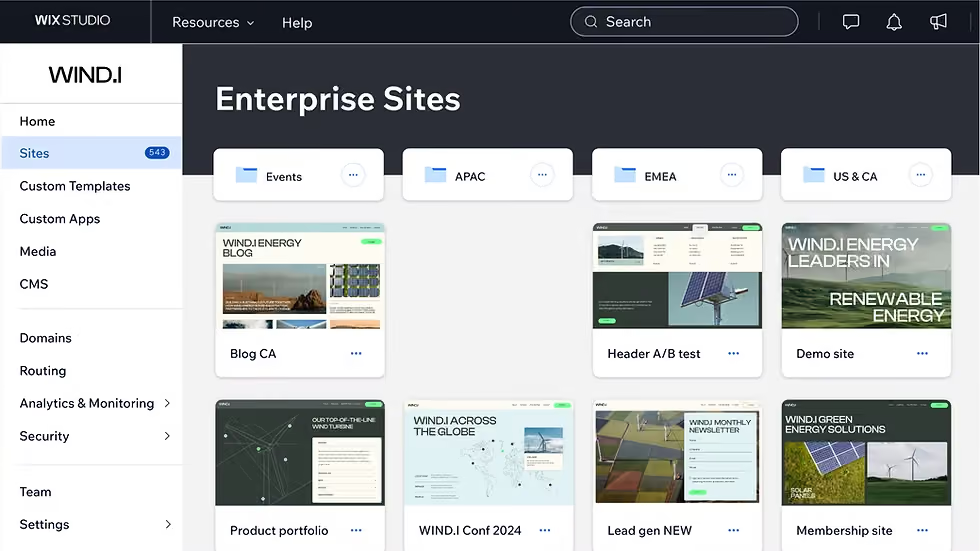
Wix is currently one of the most famous no-code website design tools, with over 200 million users worldwide. The strength of Wix lies in its simplicity and intuitiveness: by simply dragging and dropping elements like images, text, and videos, you can "build" a complete website.
- Key advantages:
- Offers over 500 pre-made templates, ranging from personal sites and online stores to service-based businesses.
- Includes built-in tools such as a blog, booking system, and shopping cart for small e-commerce needs.
- Supports Wix ADI – an artificial intelligence that suggests a suitable website based on your specific needs.
- Drawbacks:
- Websites built with Wix are difficult to migrate to other platforms, which can lead to user "lock-in."
- Page loading speeds are sometimes not fully optimized, especially when using many images.
Wix is an ideal choice for individuals, freelancers, small businesses, or startups looking for a website that is beautiful, fast, and affordable without needing to invest heavily in technical expertise.
2. Squarespace – Sophisticated for creatives
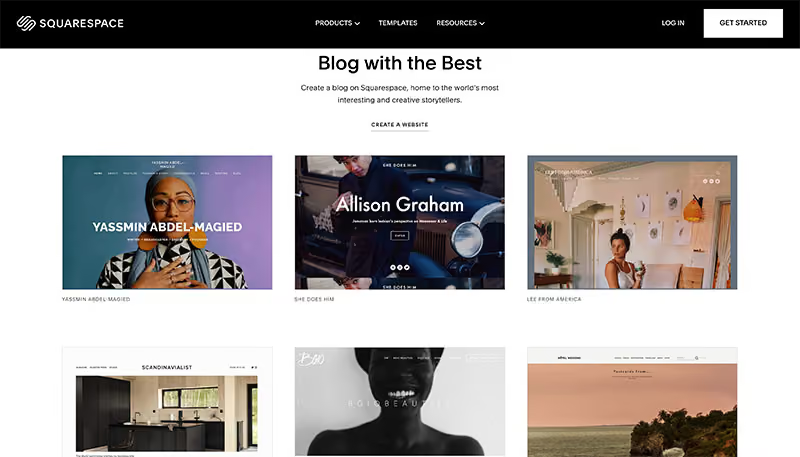
Squarespace is known as the go-to tool for those who prioritize aesthetics. Its biggest differentiator is its collection of sophisticated, modern templates, which are perfectly suited for creative industries such as photography, fashion, graphic design, and architecture.
- Key advantages:
- Templates are designed with a high aesthetic standard, ensuring your website always looks elegant and professional.
- Includes many built-in tools: blogging, basic SEO management, and online sales.
- Stable hosting system; users do not need to worry about technical setup.
- Drawbacks:
- Features are not as diverse as Wix or Webflow, and deep customization can be difficult.
- Few free templates, and maintenance costs are higher than some other platforms.
Squarespace is ideal for those who need a personal portfolio, a creative product showcase, or a business website that prioritizes brand imagery.
3. Weebly – Beginner-friendly, suitable for small businesses
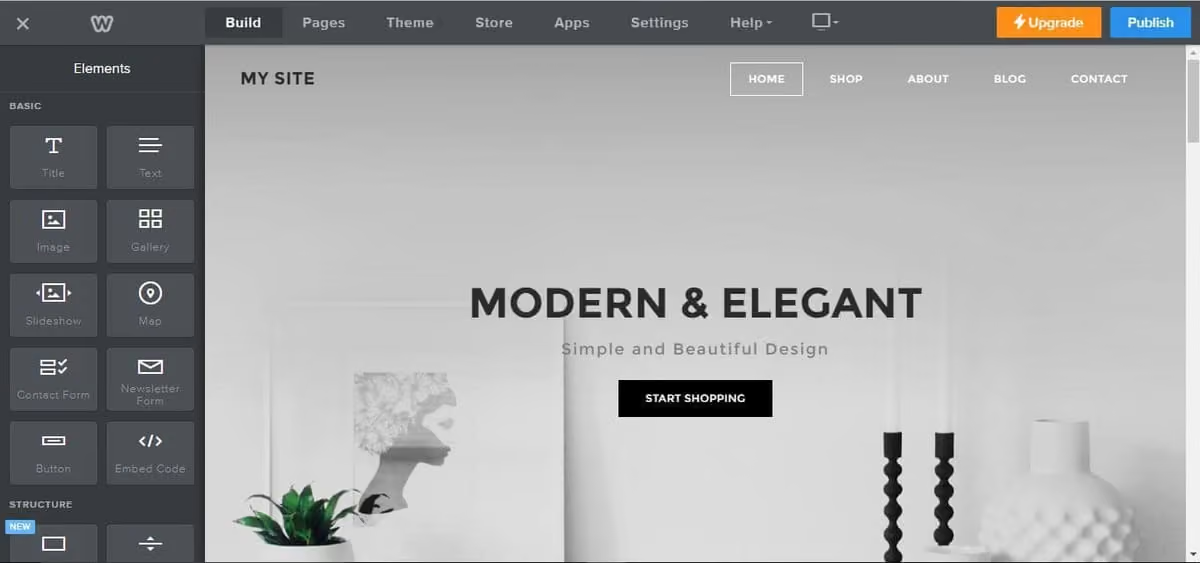
Weebly was developed by Square (a well-known electronic payment company), so it has a strong advantage in simple e-commerce features. It is a tool trusted by many small businesses and newly established online stores.
- Key advantages:
- The drag-and-drop interface is extremely easy to use, even for those who are not tech-savvy.
- Offers a free plan and reasonably priced paid plans.
- Integrates basic e-commerce features: shopping cart, checkout, and order management.
- Limitations:
- The template library is limited, lacking variety and uniqueness.
- Advanced customization options are quite restricted compared to Wix or Webflow.
If you are a small shop owner, a family business, or a startup that needs basic online selling capabilities, Weebly is an economical and easy-to-use tool.
4. WordPress.com – The balance between user-friendliness and power
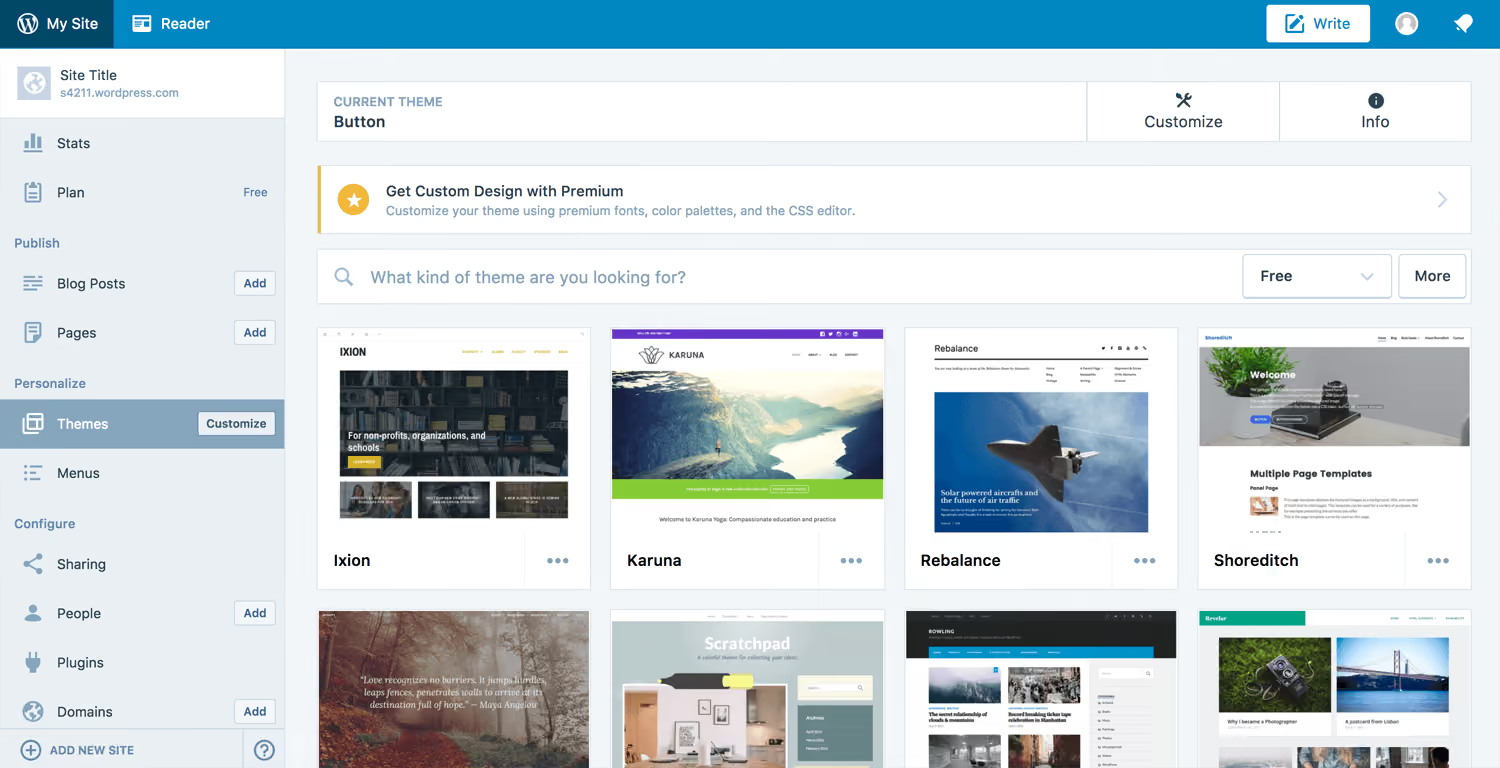
WordPress.com is the all-in-one service version of WordPress, offering a "no-code" experience for users while retaining the power of its massive plugin library and community.
- Key advantages:
- Extensive support for plugins and widgets, allowing for easy feature expansion.
- Relatively strong SEO system that is Google-friendly.
- Large global community with plenty of documentation, forums, and online support.
- Limitations:
- You must upgrade to a paid plan to access full features.
- The management interface can sometimes be complex for complete beginners.
WordPress.com is suitable for bloggers, content creators, and small to medium-sized businesses that want both a website and a professional blog.
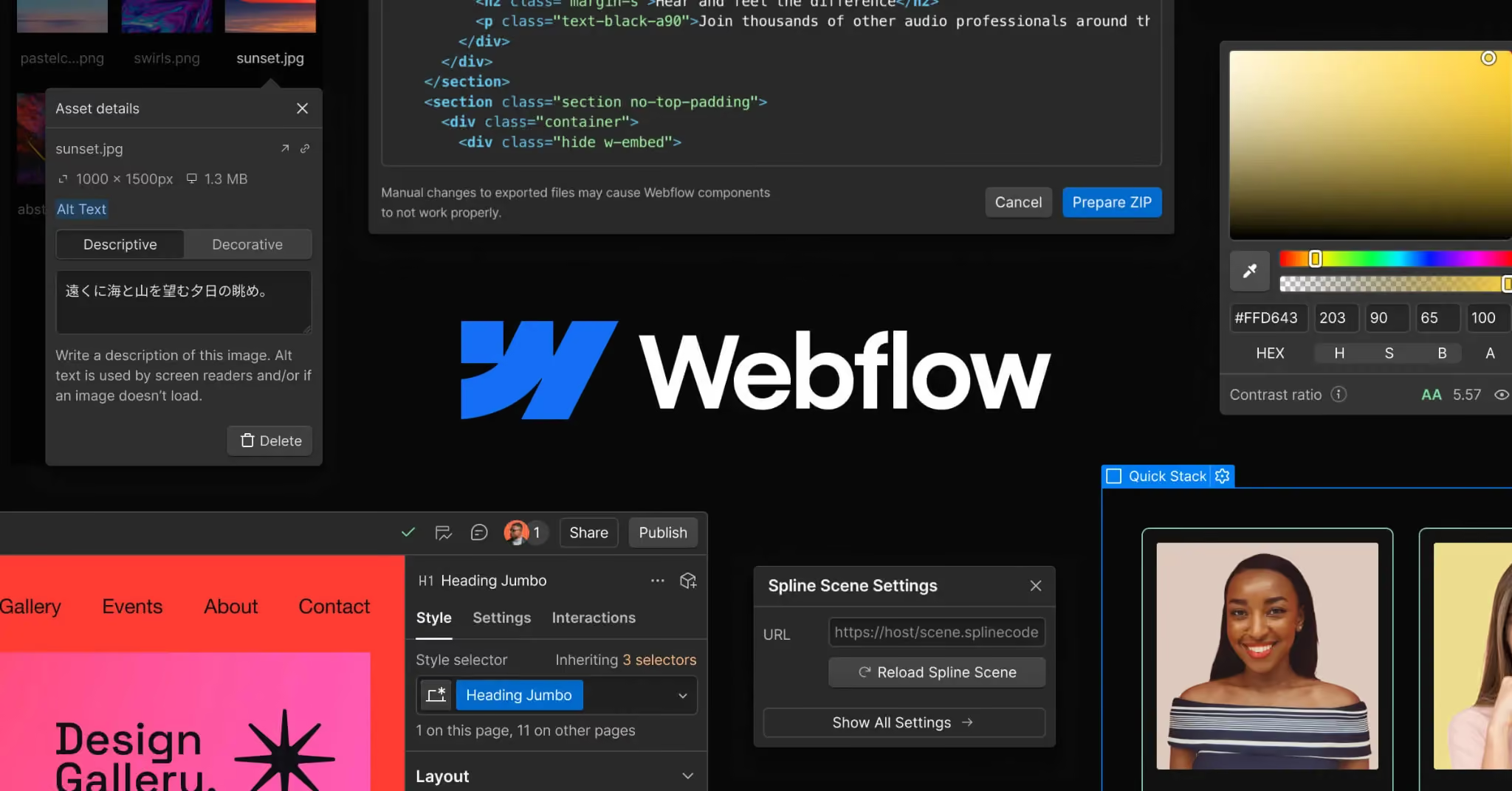
5. Webflow – Elevating the design experience
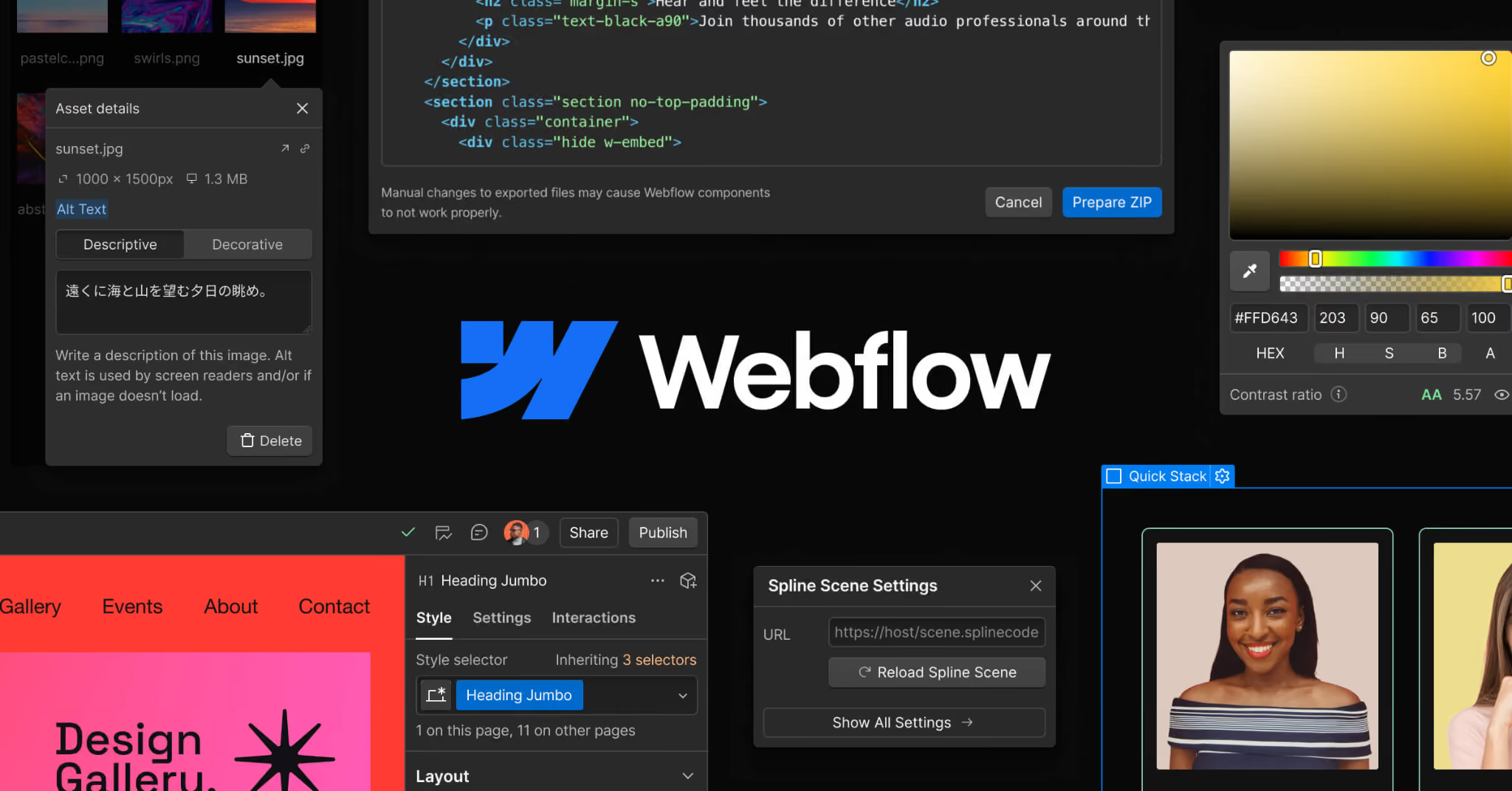
Webflow is considered a "tool for professional designers" because it combines the intuitiveness of no-code with the powerful customization capabilities of actual coding. With Webflow, you can create unique, SEO-ready websites and even export clean code for further development.
- Key advantages:
- Powerful CMS (Content Management System) for flexible content management.
- Detailed, near-limitless customization, from layouts and effects to animations and page structure.
- Excellent SEO integration, making it easy to optimize your website.
- Limitations:
- The interface is more complex and has a steeper learning curve.
- Service pricing is higher compared to Wix or Weebly.
Webflow is particularly well-suited for designers, agencies, or medium-to-large businesses that want a unique, brand-focused website and are willing to invest more in their digital experience.
6. Shopify – The all-in-one solution for eCommerce
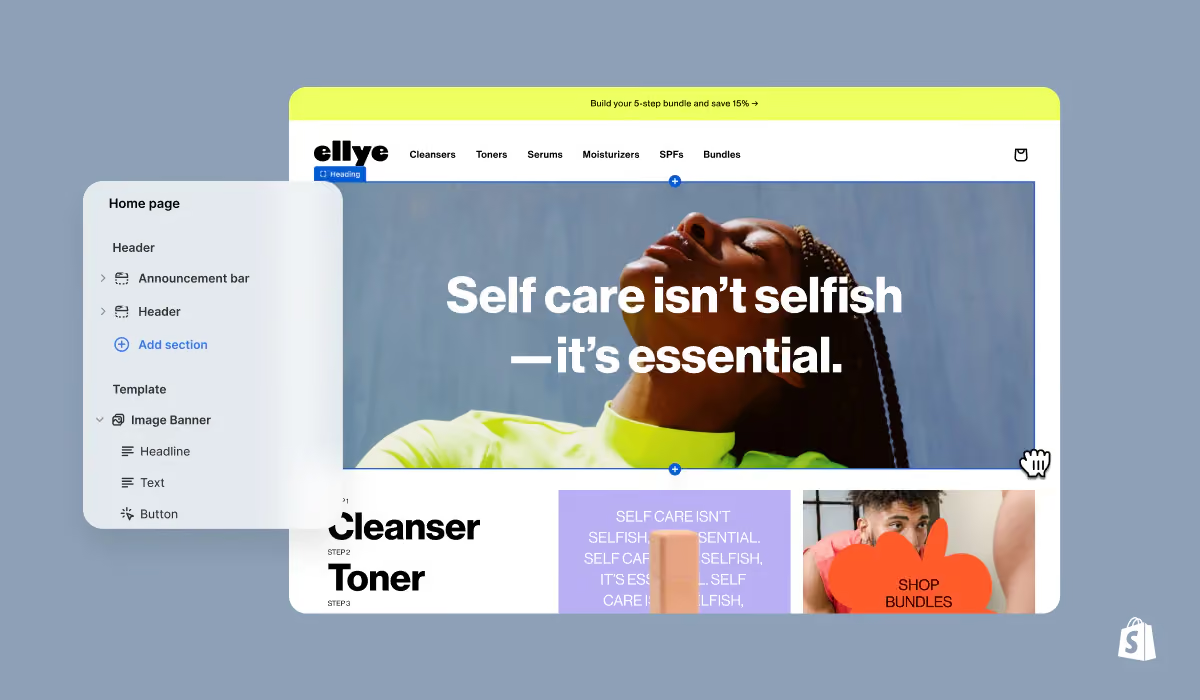
Shopify is the world's leading e-commerce platform, trusted by over 4 million businesses. If your goal is selling online, Shopify is almost certainly the number one choice.
- Key advantages:
- Built-in shopping cart, international payment processing, shipping, and inventory management systems.
- An extensive app store to expand functionality (from marketing and CRM to dropshipping).
- Omnichannel sales support: website, Facebook, TikTok, Amazon, and more.
- Limitations:
- Monthly costs can be quite high, especially when using multiple apps.
- Design customization is more limited compared to Webflow or WordPress.
Shopify is the optimal choice for e-commerce businesses, from small shops to large corporations, looking to expand their online market presence.
Choosing the right platform depends on your goals and budget. However, if your business requires a professional, proprietary website that is SEO-optimized and easily scalable for the future, no-code software may only be a short-term solution.
When should you use no-code software, and when should you choose professional website design services?
There is no denying that no-code website design software has helped many individuals and small businesses quickly launch a website at a low cost. However, they are not always the optimal choice. Determining when to use no-code versus when to hire professional website design services will help you avoid wasting time and money while ensuring your website aligns with your long-term goals.
When should you choose no-code website design software?
You might consider using no-code tools when your needs are simple and experimental:
- Individuals or freelancers who want to quickly create a blog or a personal portfolio.
- Startups that need a basic website to introduce their products or services during the initial phase.
- Small online shops with a limited number of products that do not yet require complex management systems.
- Experimental projects or temporary landing pages for market research, ad campaigns, or testing new ideas.
The advantages of this option are speed, affordability, and convenience, allowing you to get a website up and running immediately to start operations or test your business strategy.
When should you choose professional website design services?
If you are aiming for long-term, professional, and sustainable growth, choosing a professional website design agency is essential. Specifically:
- Medium to large enterprises that need a website that is not only visually appealing but also integrates complex systems (CRM, ERP, customer management, omnichannel payments, etc.).
- Large-scale e-commerce businesses with hundreds or thousands of products that require optimized speed, security, and scalability.
- Brands that want to establish their image through an exclusive, custom-designed website that stands out from the crowd.
- Projects that require SEO standards, optimized user experience (UX/UI), and easy management for internal teams.
- Businesses that require high security and long-term technical support.
With professional website design services, you are guaranteed that your website is not just a "pretty face," but a strategic business tool that directly contributes to revenue and brand building.
Conclusion
- If your needs are basic, short-term, or experimental, no-code website design software will perfectly suffice.
- But if your goal is sustainable growth, business expansion, and creating a lasting brand impression, a professional website design service is the wiser choice.
This is precisely why an increasing number of businesses are turning to reputable agencies like Markdao for exclusive, custom-designed websites that are SEO-optimized and built for long-term business success.
Markdao – Impressive, professional website design solutions
While no-code website builders offer convenience and low costs, for businesses looking to establish their brand, create a unique identity, and achieve sustainable growth, Markdao is the superior choice.
Custom design that reflects your brand identity
Markdao avoids the pitfalls of cookie-cutter templates. Instead, every website is built according to the specific needs and style of each business, ensuring a unique look that stands out from the competition. This helps your brand leave a lasting impression on your customers.
SEO-ready and optimized for user experience
Unlike many no-code platforms that limit SEO customization, Markdao builds websites with an SEO-friendly structure, optimized page load speeds, and a responsive interface across all devices. This makes it easier for businesses to reach customers via search engines and enhances the overall user experience.
Flexible integration and easy scalability
A Markdao website is more than just an "online presence"; it is a strategic business tool. Our systems can integrate with CRM, ERP, online payment gateways, order management, and various other tech solutions, helping businesses manage operations efficiently and scale with ease.
Long-term technical support and security
Unlike relying entirely on third-party platforms, choosing Markdao ensures professional technical support, robust security, and a long-term partnership. This is crucial for keeping your website stable, secure, and running smoothly.
Markdao doesn't just help businesses own a beautiful website; we provide a comprehensive solution: distinct in design, powerful in functionality, and sustainable in brand development strategy. With Markdao, your website is no longer a temporary tool like those from no-code builders, but a true foundation for your online business.
Conclusion
In an era of rapidly changing technology, no-code website builders have made it easy for individuals and businesses to own a website. However, to truly make a mark, a website needs to be more than just visually appealing—it must be optimized for user experience, SEO-ready, and built for long-term growth.
This is where professional website design services from Markdao asserting superior value. With a creative team, structured processes, and groundbreaking design solutions, Markdao does more than just deliver a website; we build a solid foundation for your brand's growth in the digital space. Let Markdao be your partner on the journey to breaking through in the online world.