

In the field of SEO, Technical, On-page, and Off-page are the three main components for comprehensive website optimization. Each type of SEO plays a distinct role: from building a solid technical foundation (Technical SEO), to optimizing content and user experience (On-page SEO), to increasing credibility and expanding online influence (Off-page SEO). So, what is Technical SEO , and how does it differ from the other types of SEO? Let's explore the details with Markdao in this article.
What is Technical SEO?
Technical SEO is a crucial branch of an SEO strategy that focuses on optimizing the technical aspects of a website. The primary goal of Technical SEO is to improve crawlability, indexability, and rankings on search engines like Google.
Technical SEO serves as the foundation of a website, helping search engines better understand its content and structure, thereby increasing the chances of achieving high rankings in search results.

Key components of Technical SEO
1. Crawlability
Robots.txt: The robots.txt file guides search bots on which areas of your website they should or should not crawl. A properly configured robots.txt file helps optimize your website's crawl budget.
Sitemap.xml: A sitemap.xml is a map of your website that lists all the important URLs you want search engines to index. This ensures that no pages are missed when search bots visit your site.
2. Indexability
- Ensure that important pages on your website are indexed.
- Use the meta robots tag or noindex to exclude unnecessary pages from search results, such as duplicate pages or pages containing temporary content.
3. Page Speed
Core Web Vitals: This is a set of performance metrics from Google, including:
- LCP (Largest Contentful Paint): The loading time of the largest content element.
- FID (First Input Delay): The response time when a user interacts with the page.
- CLS (Cumulative Layout Shift): The visual stability of the page layout.
Data compression: Use tools like GZIP or Brotli to reduce file sizes.
→ Optimize images and minify unnecessary CSS and JavaScript code to improve loading speed.
4. Website structure
Friendly URLs: URLs should be concise, contain keywords, and avoid special characters.
Breadcrumbs: Improve navigation for both users and search engine bots.
Schema Markup: Use structured data to provide detailed information about content, helping to increase the likelihood of appearing as a rich snippet in search results.
5. Handling duplicate content
- Use the canonical tag to specify the official version of a page.
- Remove or merge duplicate content to avoid confusing search engines.
6. Log File Analysis
- Analyze log files to understand how search bots access and crawl your website.
- Identify pages that are being skipped or encountering errors during the crawling process.
7. Security and HTTPS
- Use an SSL certificate to switch your website to the HTTPS protocol, which enhances security and is prioritized by Google for ranking.
- Check and fix certificate errors to avoid "not secure" warnings.
8. Error Fixing
Detect and resolve common errors such as:
- 404 (Not Found) errors.
- Redirect chains or redirect loops.
- Issues with HTTP status codes (301, 302, 500).
9. Mobile SEO
Responsive design: Ensure your website displays correctly across all devices and screen sizes.
Mobile-Friendly optimization: Use tools like Google's Mobile-Friendly Test to check your site's mobile compatibility.
→ Optimize mobile page load speed by minimizing unnecessary code and using AMP (Accelerated Mobile Pages) if needed.
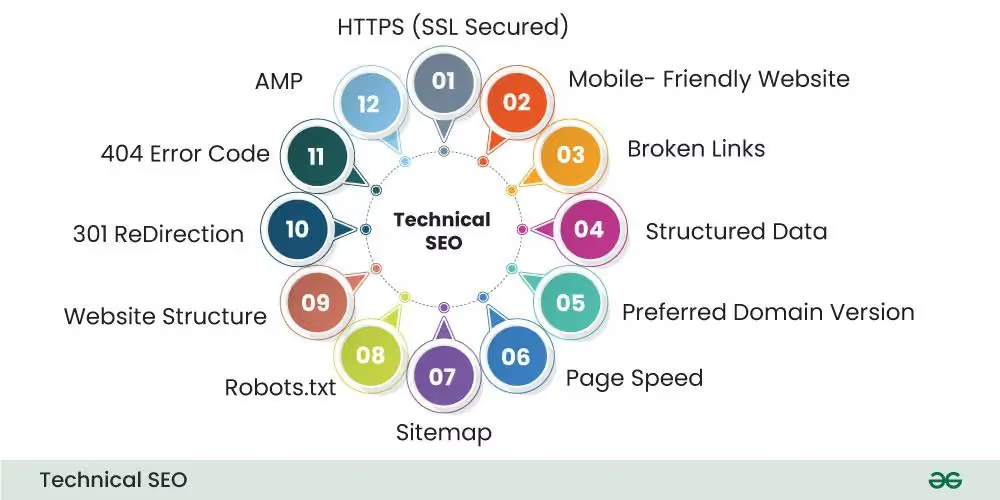
Technical SEO is a core element that helps a website achieve optimal performance and increases its competitive edge on search engines. By understanding and effectively implementing these components, you can significantly improve your website's rankings and traffic.
The difference between Technical SEO, On-page SEO, and Off-page SEO
What is On-page SEO?
Defining On-page SEO
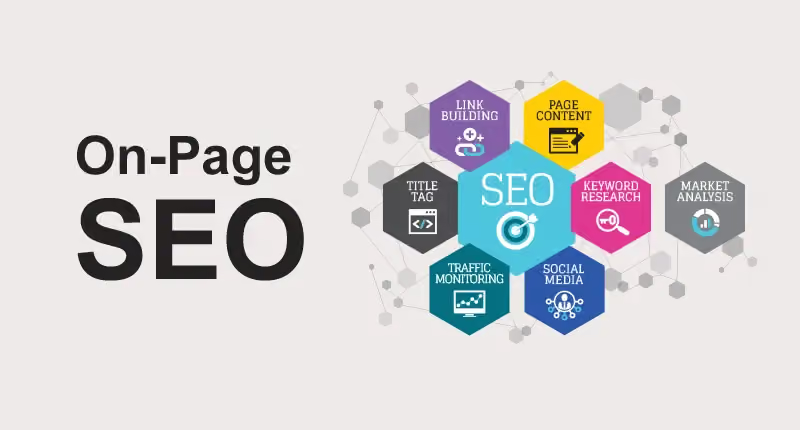
On-page SEO is the process of optimizing content and elements on a website to enhance user experience and improve search engine rankings. It is one of the most important factors for attracting users and keeping them on your site longer.
Key components of On-page SEO
1. Keyword optimization
- Use target keywords in titles, meta descriptions, main content, and H1-H6 tags.
- Place keywords naturally and avoid keyword stuffing.
2. Image optimization
- Name your image files based on their content (e.g., what-is-technical-seo.jpg).
- Use alt tags to describe images, which helps search engines understand your content and improves visibility in image search results.
- Reduce image file sizes to improve page loading speed.
3. Internal linking and navigation
- Create logical internal links to help users easily find relevant information.
- Use keyword-rich anchor text to support your SEO efforts.
4. Quality content
- Meet user search intent and satisfy search engine algorithms.
- Content must be original, useful, valuable, and written in natural language.
What is Off-page SEO?
Defining Off-page SEO
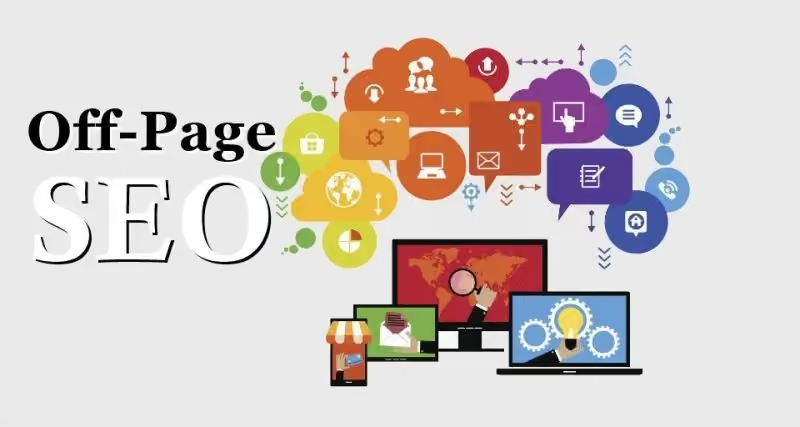
Off-page SEO refers to optimization activities performed outside of your website, focusing on building authority, establishing your brand, and increasing traffic from external sources.
Key components of Off-page SEO
1. Backlink building
- Link quality is more important than quantity.
- Prioritize backlinks from reputable websites that are relevant to your industry.
2. Social signals
- Share content on social media to increase brand awareness and drive traffic.
- Engagement levels on platforms like Facebook, Twitter, and LinkedIn contribute to improved rankings.
3. Online Reputation Management
- Ensure positive online reviews and feedback.
- Manage media crises and control negative content.
4. Guest posting and digital PR
- Write posts on other websites to drive traffic and build authority.
- Leverage digital PR to promote your brand and content.
Distinguishing between Technical SEO, On-page SEO, and Off-page SEO
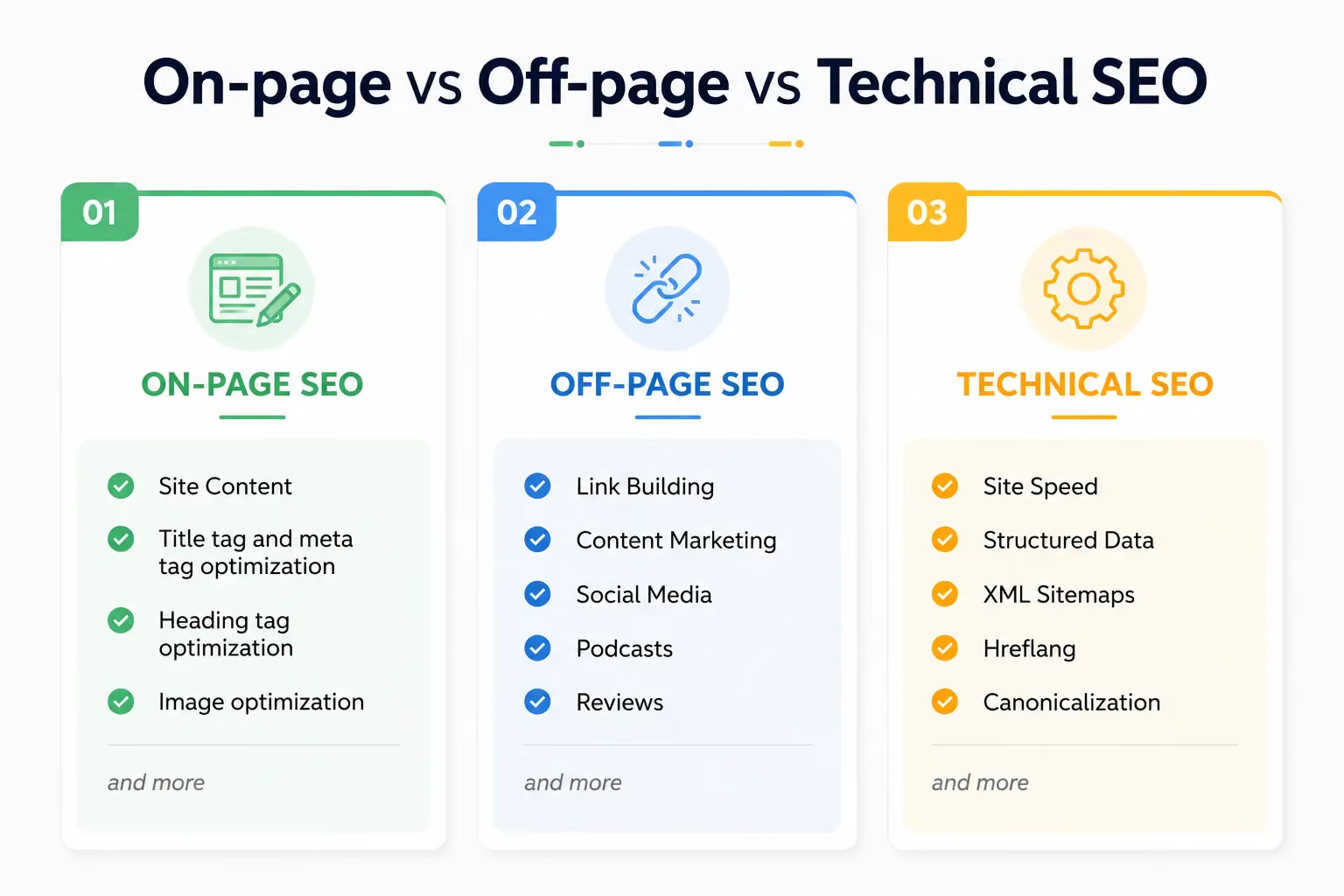
Technical SEO is an essential part of ensuring your website performs effectively and ranks highly on search engines. When combined with Technical SEO, On-page SEO, and Off-page SEO, you will build a comprehensive SEO strategy that delivers sustainable results and increases organic traffic.
Why do you need to combine all 3 types of SEO for your website?
In a search engine optimization strategy, combining Technical SEO, On-page SEO, and Off-page SEO is the key to success. Each type of SEO plays a distinct role while supporting the others, helping your website achieve high rankings and maintain sustainable performance.
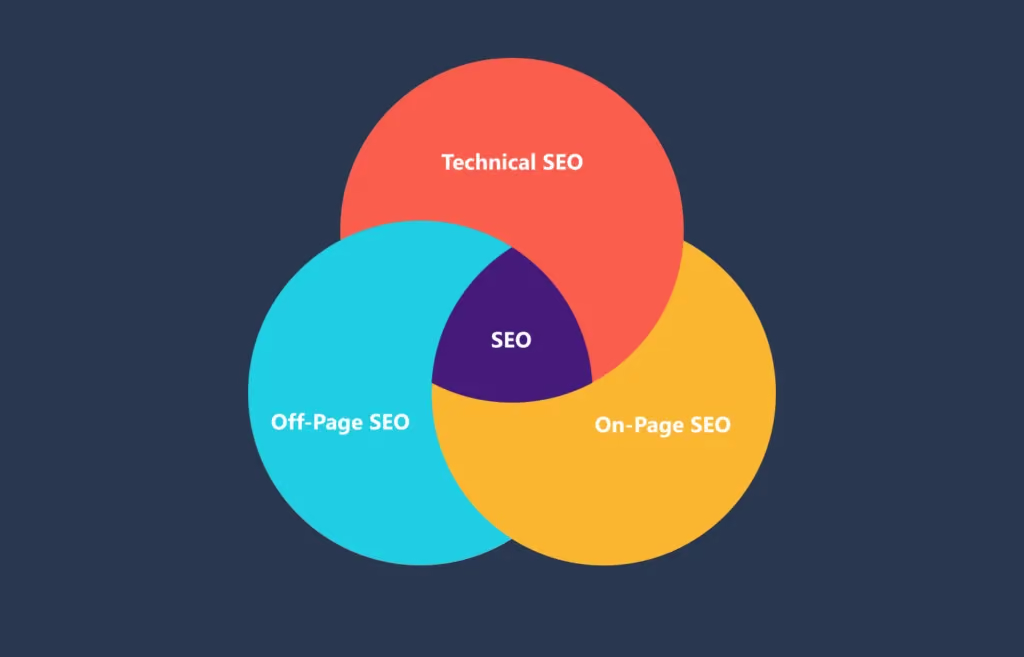
Technical SEO helps build a strong foundation for your website
Technical SEO is the first step in the process of building and optimizing a website. A solid technical foundation helps a website:
- Be easily crawled: Search engines can discover all content on the site through files like robots.txt and sitemap.xml.
- Be indexed: Important pages are recognized by search engines and displayed in search results.
- Perform efficiently: Optimize page load speed and improve user experience on both desktop and mobile devices.
- Be safe and secure: Using HTTPS and SSL certificates helps the website get prioritized by Google and builds trust with users.
Technical SEO is the foundation that allows On-page SEO and Off-page SEO to be effective. Without a good technical system, all other optimization efforts will be wasted.
On-page SEO ensures content is engaging and useful
On-page SEO focuses on optimizing content and elements displayed on the website, helping to:
- Attract users: Keyword-optimized, engaging, and useful content will keep readers longer, increasing time on page and reducing bounce rates.
- Be compatible with search engines: From titles and meta tags to internal links, everything is optimized so that search engines can easily understand and rank the site.
- Improve user experience: An intuitive interface, smooth navigation, and fast loading speeds make the website user-friendly.
On-page SEO is the bridge between content and users. A website with quality content will not only satisfy visitors but also help search engines value it highly.
Off-page SEO boosts credibility and expands the reach of your content
Off-page SEO extends your website's influence by building authority and distributing content externally through:
- Quality backlinks: Links from reputable websites help increase your credibility score and improve SEO rankings.
- Social media signals: Content shared widely on platforms like Facebook, Twitter, and LinkedIn helps increase brand awareness and traffic.
- Reputation management: Building a positive image for your website to foster trust among users and potential customers.
Even if your website has great content and excellent technical optimization, without Off-page SEO, your content will struggle to reach a wide audience on the Internet.
Combine all 3 types of SEO for comprehensive optimization
- Technical SEO: The foundation that ensures your website functions effectively and is recognized by search engines.
- On-page SEO: The core value that attracts and retains users.
- Off-page SEO: The factor that helps your content spread, builds authority, and increases competitiveness.
A comprehensive SEO strategy requires close coordination between these three types of SEO. They not only help improve keyword rankings but also ensure your website grows sustainably and meets the expectations of both users and search engines.
Technical SEO, On-page SEO, and Off-page SEO are three indispensable elements in any SEO strategy. When you understand and apply them correctly, your website will not only achieve high rankings but also maintain long-term performance. So, if you want to optimize your SEO, start with the question: "Technical SEO is it?" and build a strong foundation from there.
Conclusion
Technical SEO, On-page SEO, and Off-page SEO not only complement each other but are also interdependent for optimal results. Technical SEO establishes a solid technical foundation for your website, On-page SEO focuses on creating high-quality, user-friendly content, and Off-page SEO enhances credibility and expands your reach. To build a successful SEO strategy, you need to combine all three elements flexibly and appropriately.
Once you clearly understand the differences and roles of each type of SEO, you will be able to optimize your website comprehensively and sustainably, delivering real value to both users and search engines.