

Have you ever wondered how a website can attract thousands of visitors without spending a dime on advertising? The answer lies in a crucial element of the SEO world: Organic Traffic. This is the natural flow of visitors coming from search engines without the need for any paid advertising campaigns.
So, what is Organic Traffic, and how can your website attract these natural users? Let's join Markdao in exploring the secrets to growing this traffic effectively and sustainably.
What is Organic Traffic?
Organic Traffic refers to the number of users who visit your website through search engines like Google, Bing, or Yahoo without clicking on paid advertisements. It is the result of Search Engine Optimization (SEO), which helps your website appear in natural search results rather than as Paid Ads.
Organic traffic is considered one of the highest-quality and most sustainable sources of traffic. This is because it not only helps your website grow steadily but also builds user trust. When users search for information on Google and find your website in a top position, it serves as proof that your site provides useful content relevant to their needs.

Distinguishing Organic Traffic from Paid Traffic
- Organic Traffic: Comes from natural search results; there is no cost to appear in these results, but it requires SEO optimization and high-quality content.
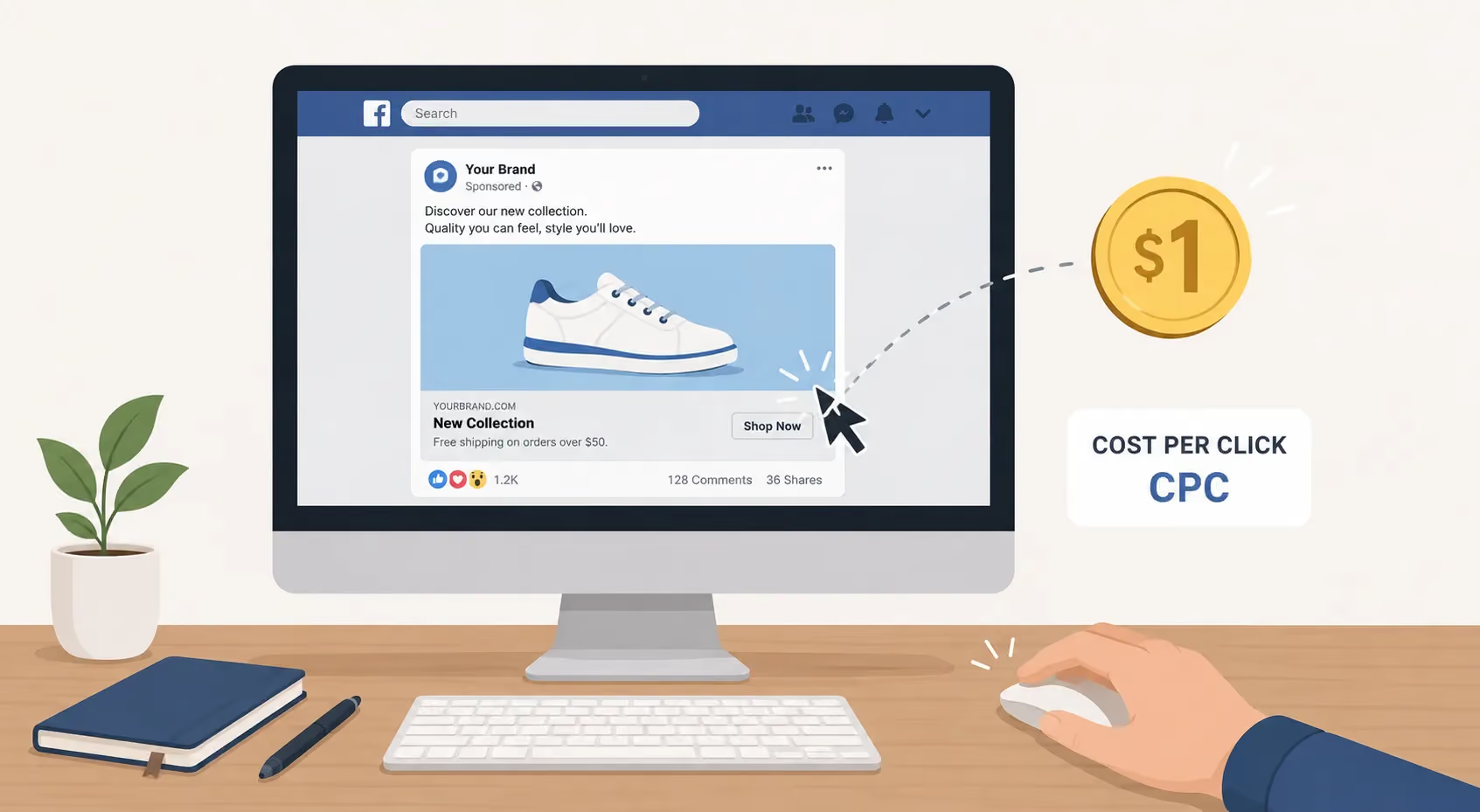
- Paid Traffic: Comes from paid advertisements, such as Google Ads, Facebook Ads, or PPC (Pay-Per-Click) campaigns. While it can yield quick results, Paid Traffic requires a continuous budget and does not offer the long-term benefits that Organic Traffic does.
Organic Traffic not only helps reduce advertising costs but also builds credibility for your website. With every high ranking on search engines, your site attracts more new users, creating opportunities to convert them into potential customers.
Why is Organic Traffic important in SEO?
In today's digital world, simply having a website isn't enough; the key is to ensure users can find you naturally. That is exactly why Organic Traffic plays a central role in every sustainable SEO strategy.
1. Provides long-term and stable traffic
Unlike paid advertising, which only works as long as you have a budget, Organic Traffic continues to bring in new users even after you stop running ads. A well-optimized article can maintain a high ranking for months or even years, helping your website continuously reach new users.

2. Increases credibility and user trust
Users generally trust organic search results more than paid advertisements. When your website ranks highly without "paying to climb," it signals that your content is genuinely valuable and has been "vouched for" by Google.
3. Optimize marketing costs
Organic traffic is a long-term investment: while initial SEO costs may be high, it is far more cost-effective in the long run compared to advertising. Once you build a high-quality content system with a sound SEO strategy, traffic will grow naturally without the need to pay for every single click.
4. Increase conversion rates
Users arriving via organic traffic typically have clear search intent and are in the process of researching or making a decision. This makes them more likely to convert into leads or actual customers, especially if your website content accurately addresses their needs.
5. Support solid brand building
When you consistently appear in search results related to your field of expertise, you gradually become a familiar and influential brand in the eyes of users. Organic traffic doesn't just bring in visitors; it is a way to establish your brand's authority in the digital space.
In short, organic traffic is more than just a statistic in Google Analytics. It is a sign that your website is on the right track with SEO, attracting the right audience, and growing sustainably without relying on ads.
How to increase organic traffic in SEO
Increasing organic traffic is not just a goal, but a long journey that requires strategy, patience, and adaptability. To help your website attract visitors naturally, here are effective methods that any successful SEO strategy should implement.

1. Smart keyword research and a clear content strategy
Keywords are the core of SEO. An effective keyword strategy doesn't just focus on high-search-volume terms but also taps into long-tail keywords (long-tail keywords) – which are less competitive but have higher conversion potential.
Put yourself in the user's shoes: What are they searching for? What language do they use? From there, build a content map around related topic clusters, ensuring consistency and depth of information. Investing systematically in content not only helps you achieve high rankings but also keeps readers on your website longer.
2. Optimize content for On-page SEO to increase organic traffic
Once you have quality content, the next essential step is presenting it in a way that is "appealing" to both users and search engines. Some key elements you need to optimize include:
- Compelling titles (Title) that include the main keyword.
- Meta description tags (Meta Description) clear, concise, and includes a call to action.
- Keep URLs short, logically structured, and keyword-rich.
- Use heading tags (H1, H2, H3, etc.) to create a clear content hierarchy.
- Optimize images: use descriptive file names and accurate ALT tags.
Well-structured content is not only easier for users to read but also easier for Google to crawl, which increases your chances of appearing in search results.
3. Improve website user experience (UX) to boost organic traffic
Google increasingly prioritizes websites that provide a great user experience. Therefore, page load speed, mobile-friendly design, easy navigation, and accessible content are factors you cannot afford to ignore.
If your website takes more than 3 seconds to load, you risk losing over half of your potential visitors. Don't let design or technical issues hinder your organic traffic growth.
4. Build high-quality backlinks
Backlinks, or links from other websites pointing to yours, are one of the most important signals Google uses to evaluate your site's authority and relevance. However, not all backlinks are created equal.

Focus on building links from reputable sources within your industry. You can write guest posts, share content on industry forums, or collaborate with trusted influencers and bloggers. A quality link-building strategy not only improves SEO but also helps expand brand awareness.
5. Regularly update and refresh content to improve organic traffic
No matter how high a piece of content once ranked, it will eventually decline if it becomes outdated and no longer aligns with current search trends. Therefore, regularly review, update data, add new information, and improve old content to keep it "fresh" in the eyes of both Google and your users.
Maintaining a consistent posting schedule, whether weekly or monthly, creates stability and builds trust with your loyal readers.
6. Leverage social media to amplify your content
While social media doesn't directly impact search rankings, it is a vital channel for reaching your target audience, creating a ripple effect that drives a significant increase in organic traffic.
Sharing articles on platforms like Facebook, LinkedIn, Twitter, or Reddit not only expands your readership but also increases the likelihood of being mentioned and linked to by others, which indirectly improves your search rankings.
7. Analyze, measure, and adjust continuously
SEO is never a "set it and forget it" campaign. To maintain and grow your organic traffic, you need to continuously monitor the effectiveness of your current strategies. Use Google Analytics and Google Search Console to measure:
- Which keywords are driving the most traffic?
- Which pages have a high bounce rate?
- Where are your users coming from, and what is their behavior?
Data will help you make precise adjustments, preventing you from practicing SEO blindly or based on intuition.
Increasing organic traffic is a process that requires an investment of time, effort, and creativity. But if you are on the right track, the result will be a stable, high-quality stream of traffic that is completely independent of your advertising budget. And that is the solid foundation for any business looking to grow long-term in the digital space.
Why is organic traffic dropping?
A sudden or gradual decline in organic traffic is a major concern for any website owner. This is not just a red flag for your SEO performance, but it can also directly impact your revenue, brand awareness, and competitive edge.
Below are the most common reasons why organic traffic drops, which you need to identify early to implement timely solutions.

1. Google algorithm updates
Google frequently changes its search algorithms to improve user experience. Updates such as Google Core Updates, Helpful Content Updates, or Product Reviews Updates can shift content evaluation criteria, causing websites that once ranked at the top to drop in the rankings.
If you do not regularly update and adjust your content according to Google's new criteria, a drop in rankings is inevitable.
2. Outdated or shallow content
Content that once helped you grow significantly can gradually become obsolete, outdated, or no longer relevant to current search intent, leading to a decrease in organic traffic. When that happens, users tend to skip your website and choose competitors who provide fresher, more comprehensive information.
Google also prioritizes "fresh" and practically valuable content. If you do not update or improve your content regularly, your rankings will be affected over time.
3. Increased industry competition
When many competitors target the same keywords or topics as you, the SEO race becomes more intense. If competitors invest more heavily in content, user experience, backlinks, and website speed, they can easily "outrank" you and take the positions you once held.
4. Technical issues on the website
Sometimes a drop in organic traffic is not due to content, but rather technical issues such as:
- Slow page load speed.
- 404 errors or changed URLs without redirects.
- The website is not mobile-friendly.
- Indexing errors: Google cannot crawl and index some important pages.
These issues directly affect Google's ability to crawl and rank your content.
5. Lost or low-quality backlinks, or changes in user behavior or search trends
If you lose important backlinks—for example, because a linking website goes down or they remove an article—your site's authority will be affected. This leads Google to lower its assessment of your website's credibility, resulting in a drop in rankings and organic traffic.
User behavior is always changing. What was popular to search for last year may no longer be relevant today. If you don't keep up with trends or adjust your keywords and article topics, you will silently lose potential traffic.
In short, a drop in organic traffic does not happen by chance. It is usually the result of one or more factors acting simultaneously, ranging from content and technical issues to competitors and user behavior. Regularly analyzing, monitoring performance, and proactively optimizing will help you maintain your position and effectively recover your traffic.
Conclusion
Organic traffic is not just a metric of SEO effectiveness; it is a sign of whether your website is truly creating value for users. In a world where every brand is racing to capture attention on Google, building a strategy to increase organic traffic is a necessity, not an option.
Increasing organic traffic does not come from short-term tricks, but from persistent investment in quality content, solid technical foundations, and a truly valuable user experience. It is a long, sustainable path where you gain not only high rankings but also the trust of both readers and Google.