


It is not just marketing agencies, but all businesses that have weathered the two-year storm of COVID. The challenges brought on by the pandemic have, in some ways, helped us better understand the importance of close collaboration and optimizing performance to save budgets while still achieving desired results.
This article provides 5 digital marketing tips to help agencies collaborate effectively with their B2B clients.
5 digital trends to help marketing agencies plan more relevant and effective strategies for B2B businesses
Before diving into the content, let’s briefly revisit the concept of B2B. B2B stands for “business-to-business,” referring to commercial relationships between businesses. B2B companies have other companies as their primary clients, businesses . Typical examples include logistics companies, employee management software providers, and project management software firms.
For this client segment, agencies should:
- Enhance personalized services;
- Place greater emphasis on video communication and chatbot interactions;
- Focus on brand awareness;
- Maximize the use of content marketing;
- Social media remains the primary “base” for all communication campaigns
1. In the strategies of marketing agencies, the importance of personalization needs to be elevated
In recent years, personalization has consistently been among the top digital trends that every marketing agency should pay special attention to. According to Gartner, personalization is “a process that creates relevant interactions to enhance the recipient’s experience.” Here are some impressive figures regarding the promising future of this trend:
- The global personalization software market is projected to grow from $620 million in 2020 to $2.2 billion by the end of 2026.
- According to the latest market research report from BusinessWire, analysts forecast that the global AI-based personalization market will grow at a CAGR of nearly 13% during the 2018-2022 period.
- According to an IndustryARC report, the recommendation engine market size is expected to reach $12.03 billion by 2025, up from $1.14 billion in 2018, with a CAGR of 32.39% during the 2020-2025 period.

Personalization helps you differentiate your services from competitors because every individual is unique. Leveraging their differences is, in essence, creating your own point of difference. Furthermore, the subtle understanding shown to clients through personalized interactions will also help your clients score more points with their own customers. This strategy can help build a loyal customer base, thereby creating word-of-mouth power and establishing credibility for the business.
That is why marketing agencies need to focus on developing personalized interactions within their strategies. If you are unsure where to start, the best approach is to look at what is already available in the market. Additionally, leveraging technology is also an excellent option.
2. Video and chatbot marketing: The digital thread connecting people for marketing agencies
By the nature of the industry, marketing agencies must be places that stay on top of trends and react quickly to market shifts. In modern society, as public attention becomes increasingly fragmented and the speed of media consumption rises, video and chatbot marketing have become preferred forms of communication.
According to research by Social Media Today, 72% of customers prefer learning about products or services through video, and 81% of businesses use video in their marketing strategies. Furthermore, 1.5 billion people spend 1 billion hours watching videos every day. The growth of massive video platforms like YouTube, TikTok, Facebook Watch, and IGTV, combined with an incredible number of users, has made it impossible for marketing agencies to ignore this prominent trend. Additionally, positive statistics on video marketing continue to prove its influence: 66.7% of B2B businesses say video marketing helps them attract target customers, and 47.92% report that it boosts revenue. In a context where society demands fast content consumption, compounded by Covid-related social distancing, video has become the building block for sustainable relationships between brands and users.
But using video alone is not enough, as it is difficult for video to create multi-dimensional interactions where people can engage with one another. To boost connection activities with customers in the "new normal," B2B businesses are turning to a smart digital marketing tool called the chatbot.

2020 marked a year of strong growth for chatbots in B2B marketing. Specifically, according to a report by B2B Drift and Heinz Marketing in July 2020, which surveyed 538 marketing experts, the growth chart for chatbots in recent years reached 92%. Meanwhile, other forms of communication like live chat and social media saw much more modest growth compared to this tool.
These real-world figures demonstrate the potential of chatbots, which will especially continue in the "new normal." Simply put, communication is a fundamental human need. Being heard and having conversations is certainly one of the prerequisites for maintaining our mental well-being. Therefore, during periods of social distancing, chatbots became an effective alternative means of communication to bridge the gap caused by the lack of human-to-human interaction. Today's chatbots have been significantly improved through artificial intelligence and machine learning to automatically provide specific, useful, and even more engaging responses.
3. What marketing agencies need to provide for B2B businesses is the development of brand awareness
Why do marketing agencies need to focus on brand awareness?
Brand awareness refers to the level of consumer recognition of a product or brand by its name. Building brand awareness is a crucial step in promoting a new product or revitalizing an old brand.
There are many examples of brand awareness or rebranding campaigns. For instance, how Honda entered the Vietnamese market and created such a high level of recognition that Vietnamese people use "Honda" to mean "motorcycle"—regardless of the actual brand of the bike. More than 20 years later, it is now Grab doing the same. Today, people refer to "getting a ride via a ride-hailing app" as "taking a Grab" or "booking a Grab"—even if they are actually ordering a ride through Gojek or Be.
In the ideal scenario, brand awareness can include the company's product qualities that distinguish it from competitors. Products and services that maintain high levels of brand awareness are more likely to generate higher sales. The most classic example of this is Sprite, which has deeply ingrained itself in the consumer mindset: if you're eating seafood, you have to drink Sprite. However, the downside to this is that repositioning the brand becomes very difficult.
Stemming from the reality that customers have too many alternatives, companies have spent years working with marketing agencies to increase consumer brand awareness. Accordingly, 31.25% of marketers surveyed followed this trend in 2020. Traditionally, B2B marketers have lagged behind their B2C counterparts when it comes to building brands and connecting with customers. This serves as a wake-up call for B2B businesses to truly prioritize this.
B2B marketers need to realize that the brand experience at both the top and bottom of the customer journey "funnel" must be nurtured with equal care.
4. For marketing agencies, content marketing is the "magnet" that attracts customers
One of the most invested-in communication tools at marketing agencies in 2021 is content marketing. While it is true that people are trending toward fast content consumption, that does not mean that written content is no longer a priority.
In fact, in 2020, content marketing has become one of the most effective methods, as audiences are increasingly interested in content that delves deeply into specific topics. While we only have a fleeting 4 seconds at the start of a video to convince a customer to keep watching, people seem much more willing to invest time in reading long-form text content.
According to a study by Content Marketing Institute, 91% of marketers currently use content marketing to reach customers. "Content is king" remains an immutable truth in the marketing world and will continue to be a core value in promotional campaigns for the foreseeable future.
5. In every B2B campaign, social media remains the most successful and effective channel for lead generation
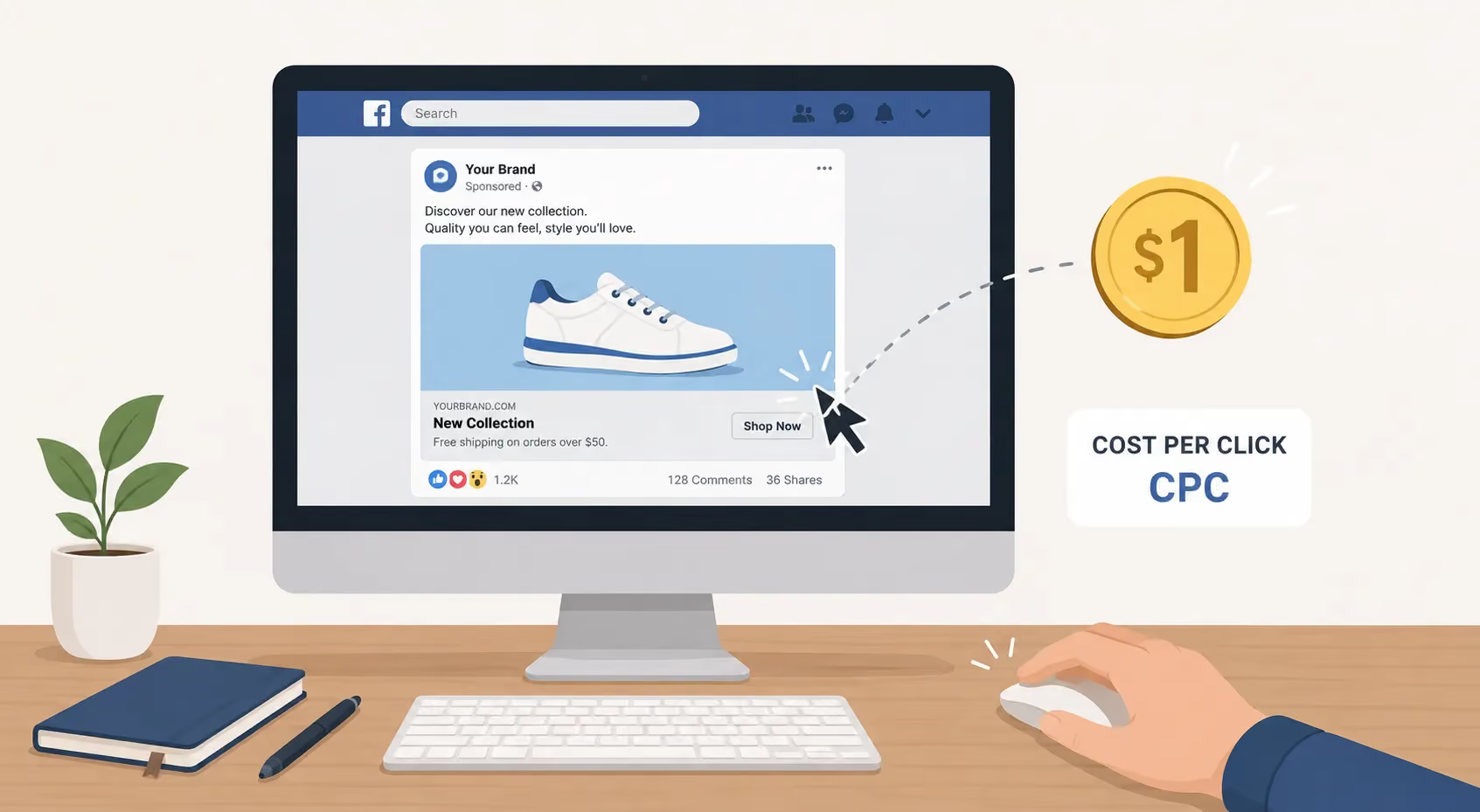
Social media is gradually becoming saturated. True! But for marketing agencies, that doesn't mean it has lost its power. Even as social networks tighten content moderation and strengthen security barriers, over 80% of marketers indicate that social media remains their primary channel. This figure increased by 63% in 2021 compared to 2020, with Facebook, Twitter, and LinkedIn standing out as the top platforms. With low entry costs, acceptable CPC (cost per click) and CPM (cost per mille) on Facebook, and rising conversion rates, social media remains a fertile resource that agencies are actively leveraging.
However, it is predicted that Facebook is a platform that is "aging." At some point, as its growth saturates, companies will have to seek out more promising markets to explore.
Marketing agencies must not only focus on trends but also look at the bigger picture
This is not just a principle for marketing agencies, but a necessary condition for the development of B2B businesses in today's challenging climate. Businesses cannot isolate themselves from the broader social landscape, and their responsibilities are viewed much like an individual's responsibility to the community. According to a Harvard University study, 65% of respondents stated that a brand's response to the Covid pandemic influenced their purchasing decisions.
Specifically, B2B businesses should focus on increasing brand appeal and goodwill among customers by implementing CSR (Corporate Social Responsibility)initiatives. Typical activities include fundraising, providing scholarships, green projects, and community-focused initiatives.
Above are 5 trends that marketing agencies can focus on to build promotional strategies in the coming time. We hope this helps your team create excellent results for your B2B clients.